Parliament's Anti-LGBTQ+ Bill: Did it reach President Akufo-Addo? Bimbilla MP seeks clarity
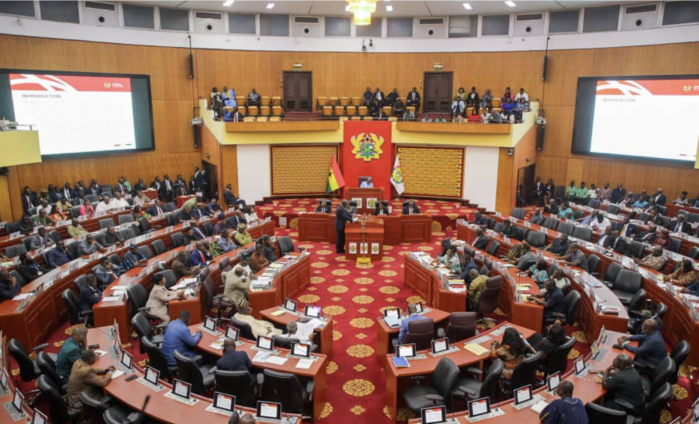
A member of Parliament has raised questions about whether the controversial anti-LGBTQ+ Bill passed by Parliament has been officially submitted to the President for assent, amid ambiguity over the Bill's status in the legislative process.
The Bimbilla MP, in comments on the matter, clarified the constitutional procedure that must be followed once Parliament approves legislation. According to parliamentary procedure, once a Bill has passed both chambers of Parliament, it must be formally transmitted to the President for signature within a specified timeframe.
Constitutional Requirements for Presidential Assent
Under Ghana's 1992 Constitution, the President is required to sign Bills submitted by Parliament within a set period. The MP emphasised that if the Bill was indeed transmitted to the Presidency, the President is legally bound to either sign it into law or formally communicate his concerns and objections back to Parliament.
"If it was transmitted to the President, then the President is enjoined by law to sign it. If he doesn't want to sign it, he needs to have written to Parliament with his comments," Mr. Nitiwul said.
This constitutional safeguard ensures there is clarity on whether a Bill becomes law or faces presidential objections. The President cannot simply sit on legislation; he must either assent or formally communicate reservations to Parliament for reconsideration.
Why it Matters for Ghana
The anti-LGBTQ+ Bill has been one of Ghana's most contentious legislative matters in recent years, generating significant domestic debate and international attention. Ghana's LGBTQ+ rights stance affects the nation's international relations, particularly with Western allies and development partners who have raised human rights concerns.
Clarity on whether the Bill has reached the President is important for several reasons. First, it determines the current legal status of the legislation. Second, it affects Ghana's regulatory framework and how LGBTQ+ issues are addressed under law. Third, it influences international perceptions of Ghana's commitment to human rights standards.
The question raised by the Bimbilla MP suggests there may be confusion or lack of transparency about the Bill's progress through the legislative process. Citizens and civil society organisations have a legitimate interest in knowing whether Parliament has completed its constitutional duty to transmit the Bill, and what the President's position is on the matter.
Next Steps and Parliamentary Procedure
If the Bill has been transmitted, the President has a constitutionally limited timeframe within which to act. If he has concerns about the legislation, he is expected to communicate them formally to Parliament. If Parliament receives presidential objections, the Bill returns for reconsideration and may require a supermajority vote to override the President's reservations.
The transparency around this process is crucial for democratic governance. Parliament, the Presidency, and the public deserve clarity on where the Bill stands and what steps remain before it could become law.
Source: 3News



Comments (0)
Be the first to comment.