
Parliament's Oversight Role Praised as Minority Raises South Africa Evacuation Concerns


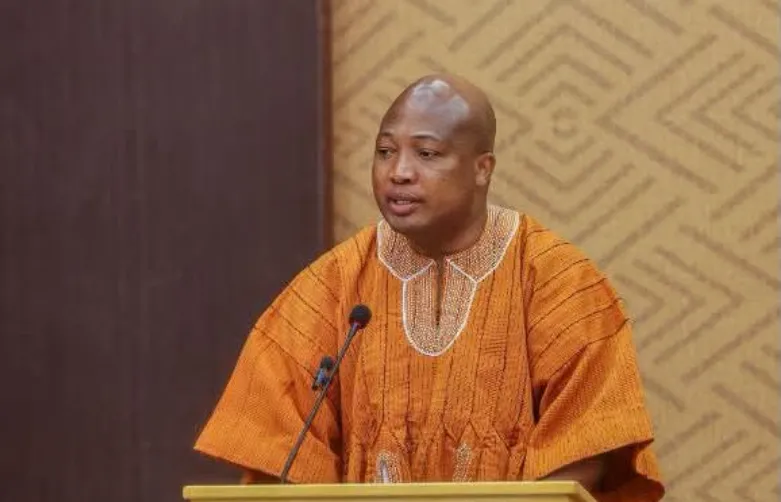
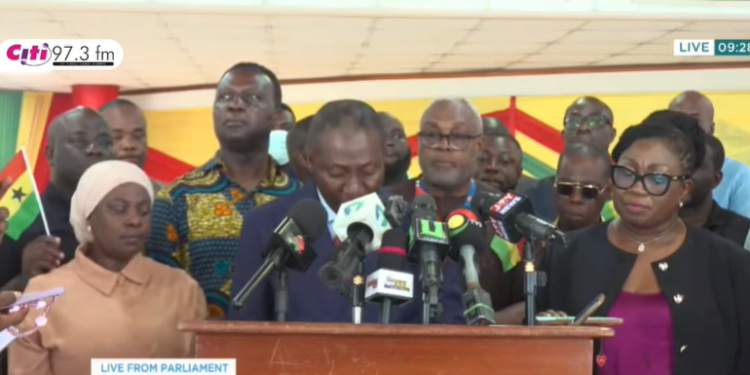
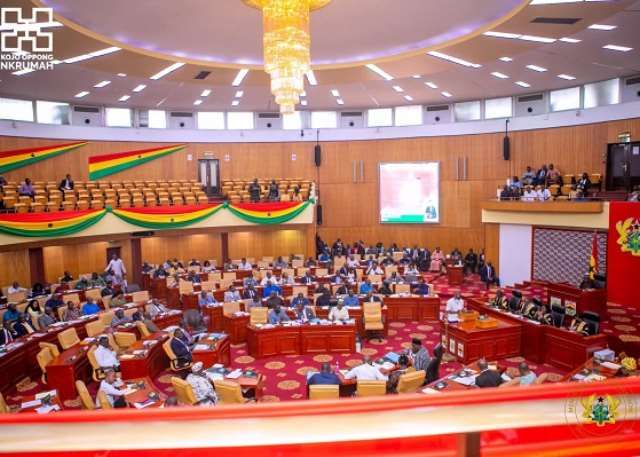
A political analyst has praised the Minority in Parliament for its vigilant oversight of government operations, particularly regarding concerns raised about the evacuation of Ghanaians from South Africa. The intervention underscores the critical role of parliamentary opposition in maintaining accountability and transparency in how public resources are deployed and managed.
The commendation highlights a fundamental principle of Ghana's democratic governance: the opposition's mandate to question executive decisions, demand clear explanations, and expose potential mismanagement of state funds. This scrutiny is especially important when government undertakes sensitive operations involving citizen safety and international relations, such as evacuations during periods of civil unrest or humanitarian crisis.
The Role of Parliamentary Opposition in Ghana
Ghana's parliamentary system depends on the balance between government and opposition to function effectively. The Minority's responsibility extends beyond legislative votes; they serve as representatives of public interest by investigating anomalies in government spending and implementation. When operations involve emergency responses or cross-border coordination, parliamentary questions become tools for ensuring protocols were followed and resources were used appropriately.
Evacuation operations require coordination across multiple government agencies—foreign affairs, security services, and logistics—making them complex undertakings vulnerable to procedural lapses or inefficiencies. The opposition's willingness to flag irregularities creates pressure for clarity and may prevent future operational failures.
Why It Matters for Ghana
Parliamentary oversight directly affects Ghanaians' confidence in government institutions. When citizens see their elected representatives actively questioning government actions—especially those affecting nationals abroad—it reinforces democratic participation and accountability. This vigilance also protects public funds: taxpayer money spent on evacuations or emergency operations should be accounted for transparently.
The South Africa situation reflects broader concerns about Ghanaians' safety in the region. Having a functioning opposition that demands explanations ensures that lessons from such operations are documented and used to improve future responses. Additionally, when Parliament scrutinises international operations, it signals to Ghana's international partners that the country takes governance seriously.
Building Trust Through Transparency
Political analysis suggests that commending the Minority for such oversight—as expressed in this statement—reflects recognition that robust democracy requires functional checks and balances. Rather than viewing opposition scrutiny as obstruction, acknowledging its constructive value strengthens institutional credibility.
For Ghanaians, this dynamic matters beyond politics. Whether government evacuates citizens, manages disaster responses, or deploys security forces, having an active, questioning opposition helps ensure competence and integrity. Public resources spent on such operations represent money that could otherwise fund healthcare, education, or infrastructure; accountability therefore serves everyone's interest.
The broader message is that Ghana's democracy functions best when both government and opposition understand their roles: the ruling party executes policy while the opposition provides meaningful scrutiny. When this balance works, citizens benefit from better-managed public institutions and greater confidence in state operations.
Source: 3News


Comments (0)
Be the first to comment.