
Parliament clears itself on AKSA bribery claims but OSP to take over probe
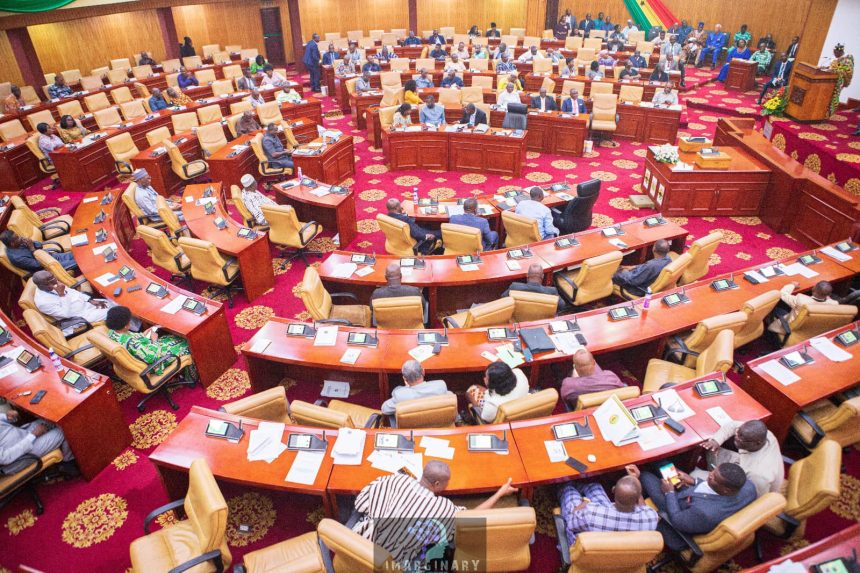

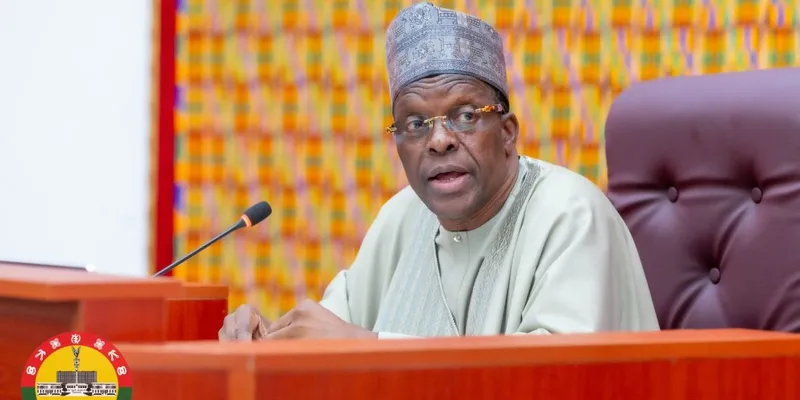
Ghana's Parliament has concluded an internal administrative review into allegations that approximately $46,000 was paid to individuals connected to the House in order to secure approval of the 2015 AKSA emergency power agreement — and found no evidence that any Member of Parliament or Parliamentary Service officer received such payments. Speaker Alban S.K. Bagbin announced the findings on the floor of Parliament on Wednesday, while making clear that the review's outcome is far from the final word on the matter.
What the review found — and what it could not determine
The administrative exercise, commissioned directly by the Speaker, examined parliamentary records including Votes and Proceedings, official Hansard reports, committee documents, and the report of the Committee on Mines and Energy through which the AKSA agreement was considered. Interviews were conducted with current and former officers of the Parliamentary Service, as well as a former chairperson of the Mines and Energy Committee.
Neither the documentary review nor the interviews produced evidence linking any MP or parliamentary officer to the alleged bribe payments. However, Speaker Bagbin was careful to stress that this finding does not amount to an exoneration. The review was administrative in nature and lacked the powers that a proper criminal investigation would carry — it could not compel witnesses to appear, could not take evidence under oath, could not demand the production of external documents, and crucially had no access to bank records, financial transactions or private communications held outside Parliament's own custody.
The Speaker therefore described the review as a preparatory exercise rather than a definitive inquiry, and confirmed that the full report along with all supporting materials will be forwarded to the Office of the Special Prosecutor and other relevant investigative agencies for further examination.
The background: A US conviction and a Turkish energy deal
The controversy traces back to the conviction in the United States of Asante Kwaku Berko, a former Goldman Sachs employee, for his role in arranging bribe payments to Ghanaian government officials. Berko, who was involved in the development and financing of a power generation project in Ghana by Turkish energy company AKSA, is currently awaiting sentencing in the US case.
The AKSA agreement itself was an emergency power deal concluded in 2015, a period when Ghana was battling severe electricity shortages — widely remembered as the worst chapter of the country's prolonged 'dumsor' crisis. Emergency power agreements of that era attracted significant public scrutiny over their terms and the processes by which they were approved, and the revelations from the US proceedings have renewed those concerns years later.
Why it matters for Ghana
The referral to the Office of the Special Prosecutor signals that the matter is far from closed. The OSP, established precisely to handle corruption and corruption-related offences involving public officers, has investigative tools that Parliament's internal process simply does not — including the ability to obtain financial records, compel testimony and pursue criminal charges where warranted.
For Ghanaians, the significance of this case extends beyond the individuals potentially implicated. It raises broader questions about how emergency procurement decisions were made during the energy crisis, the oversight role of Parliament in approving such agreements, and Ghana's vulnerability to the kind of foreign bribery schemes that led to a criminal conviction in a US federal court.
- The outcome of the OSP's work — and whether it leads to charges against any Ghanaian official — will be watched closely both domestically and internationally.
- It also comes at a time when Ghana is under pressure to demonstrate meaningful anti-corruption enforcement, particularly as the country navigates its ongoing engagement with the International Monetary Fund.
- Speaker Bagbin's decision to proactively commission a review and then refer findings to law enforcement, rather than simply dismissing the allegations, has been noted as a show of institutional accountability — though critics will rightly point out that Parliament investigating itself has inherent limitations.
The next critical phase now rests with the Special Prosecutor and other agencies, whose findings — unlike Parliament's administrative review — will carry legal weight.
Source: MyJoyOnline


Comments (0)
Be the first to comment.