
Offinso North MP Urges Personalised Approach to Early BECE Sitting — Not One-Size-Fits-All
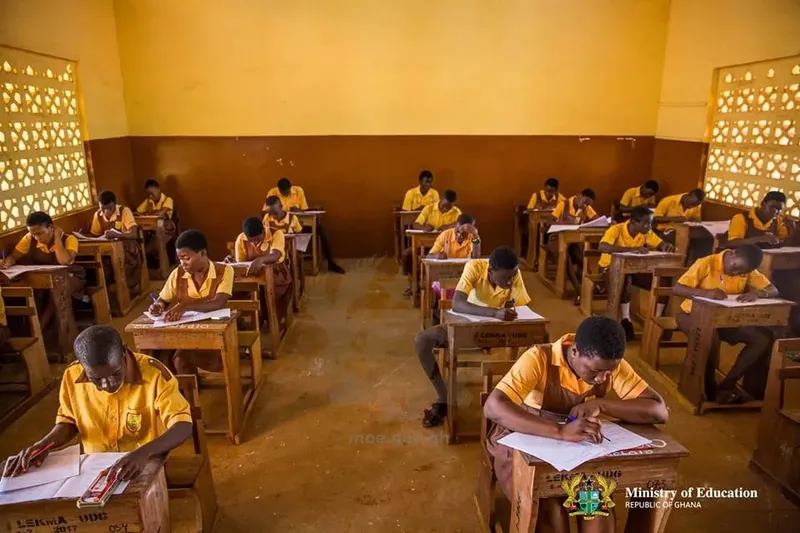

The Member of Parliament for Offinso North has waded into the ongoing debate surrounding early or premature sitting of the Basic Education Certificate Examination (BECE), insisting that allowing students to write the examination before their due time must never be a blanket decision applied uniformly across the board. Instead, he argues, each candidate should be evaluated individually based on their academic ability and overall readiness.
What the MP is saying
The lawmaker's position is straightforward: not every student who is physically present in a final-year class is academically prepared to face the rigours of the BECE. Permitting a child to sit the examination prematurely — without first assessing whether they have the intellectual and emotional readiness to do so — risks setting them up for failure, with long-term consequences for their confidence and educational trajectory.
He is therefore calling on the relevant education authorities, including the Ghana Education Service (GES) and the West African Examinations Council (WAEC), to put in place a clear, structured framework that evaluates each prospective early candidate on their own merits. Such a framework, he contends, should consider factors such as continuous assessment scores, teacher evaluations, and demonstrated subject mastery before any approval is granted.
The MP's stance reflects a broader concern that well-intentioned policies can sometimes produce unintended harm when they are applied without nuance or sensitivity to individual circumstances.
Why it matters for Ghana
The BECE is one of the most consequential examinations in Ghana's education system. It determines which Junior High School graduates gain entry into Senior High School, and poor performance can derail a child's academic future entirely. The stakes, therefore, are exceptionally high.
In recent years, questions have arisen about the practice of allowing some students to register for and sit the BECE earlier than the standard timeline — a practice sometimes referred to as premature BECE sitting. Proponents argue it benefits exceptionally gifted children who are ready ahead of their peers. Critics, however, worry that the system is open to abuse, with some students pushed into early sitting for reasons that have little to do with academic preparedness.
Ghana's Junior High School system is already under pressure, with concerns about quality of learning, teacher shortages in deprived districts, and inconsistent academic outcomes across regions. Introducing early examination sitting without a robust individual assessment mechanism could compound existing inequalities, particularly if wealthier or better-connected families exploit the policy at the expense of their children's genuine development.
The MP's call aligns with global best practice in education, where child-centred learning and differentiated assessment are increasingly recognised as essential tools for producing well-rounded, capable learners rather than exam-passing machines.
What should happen next
Education stakeholders and policymakers will need to take this call seriously. At minimum, any framework governing premature BECE registration should include:
- A formal application process requiring supporting academic records
- Independent assessment by qualified education professionals
- Clear guidelines from GES and WAEC on eligibility criteria
- Parental involvement and informed consent at every stage
Until such guardrails are in place, the risk remains that early BECE sitting — however well-meaning in concept — may do more harm than good to the very children it is meant to serve. The Offinso North MP's intervention is a timely reminder that in education, as in medicine, the first principle must always be: do no harm.
Source: 3News



Comments (0)
Be the first to comment.