NPP Government Fails on Healthcare, Sports and Education Pledges, Says Top Opposition MP
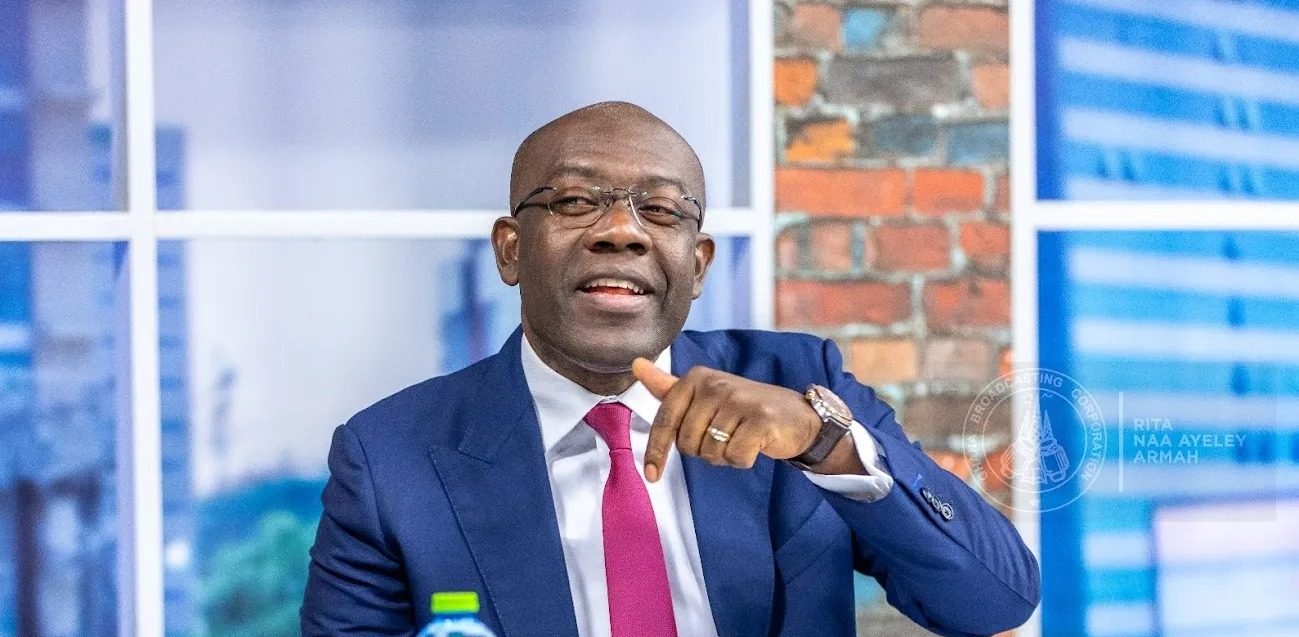
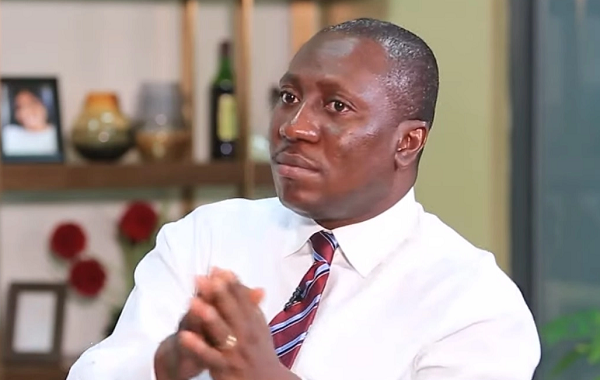
Ghana's government has reneged on the vast majority of its flagship campaign commitments, relying instead on a handful of visible projects to mask widespread policy failures, according to Kojo Oppong Nkrumah, Ranking Member of Parliament's Economy and Development Committee.
The Ofoase/Ayirebi Member of Parliament made the charge during a recent interview, arguing that the administration's track record should be measured against specific promises laid out in its 2025 and 2026 economic programmes rather than broad claims of national development. Oppong Nkrumah suggested the government is strategically highlighting only two or three successes while quietly shelving dozens of other undertakings.
Broken Promises Across Multiple Sectors
The opposition legislator pointed to health infrastructure as a prime example of unfulfilled pledges. The government had promised to construct 600 Community-based Health Planning and Services (CHPS) compounds within its first year in office, alongside progress on 35 Agenda 111 hospital projects designed to upgrade regional healthcare facilities. Neither target has materialised as announced.
Beyond healthcare, Oppong Nkrumah highlighted the government's sports development agenda as similarly stalled. Officials had committed to building approximately seven new stadia within the first or second year of the administration, a promise that remains largely undelivered on the ground.
He stressed that the pattern of abandonment extends across education and other critical sectors, with major outcomes the government once championed now effectively abandoned. Rather than deliver on these promises, Oppong Nkrumah alleged, the administration has narrowed its focus to a select few projects it can showcase as evidence of competence.
Fiscal Management and Budget Constraints
Oppong Nkrumah attributed the widespread programme failures to structural economic weaknesses rather than simple neglect. He identified weak fiscal management and inadequate revenue mobilisation as the root causes, explaining that government revenue has not grown proportionately with the size of the economy.
This revenue shortfall has left the state with insufficient resources to fund the ambitious projects originally promised to Ghanaians. Rather than manage public expectations or revisit budgets transparently, Oppong Nkrumah suggested, the government has quietly deprioritised most programmes while concentrating limited funds on a few visible initiatives it can use for political messaging.
Why It Matters for Ghana
This assessment has significant implications for how Ghanaians evaluate government performance and fiscal accountability. The opposition's criticism touches on a core governance challenge: the gap between campaign rhetoric and implementation capacity. For voters assessing the government's fitness to continue in office, the question of whether promises reflect realistic planning or mere political theatre becomes crucial.
Moreover, the alleged underfunding of healthcare and education has direct consequences for ordinary Ghanaians. Delayed CHPS compound construction affects rural healthcare access; stalled Agenda 111 projects leave regional hospitals under-resourced; and missed education targets disrupt school infrastructure development. These are not abstract policy failures but issues that touch daily life in communities across the country.
Oppong Nkrumah's call for performance measurement based on actual budget allocation, project completion and target achievement rather than political statements reflects a broader demand for concrete accountability. He is essentially arguing that Ghanaians deserve a detailed audit of where government money has actually gone and what has been delivered, rather than accepting sweeping claims of progress unsupported by evidence.
As Ghana heads toward future electoral cycles, this debate over promise-keeping versus fiscal reality will likely shape public trust in political commitments and highlight the importance of realistic programme planning and transparent budget execution.
Source: The Ghana Report
Comments (0)
Be the first to comment.