NPP Demands Independent AKSA Investigation as US Court Convicts Goldman Sachs Employee in Energy Deal Scandal
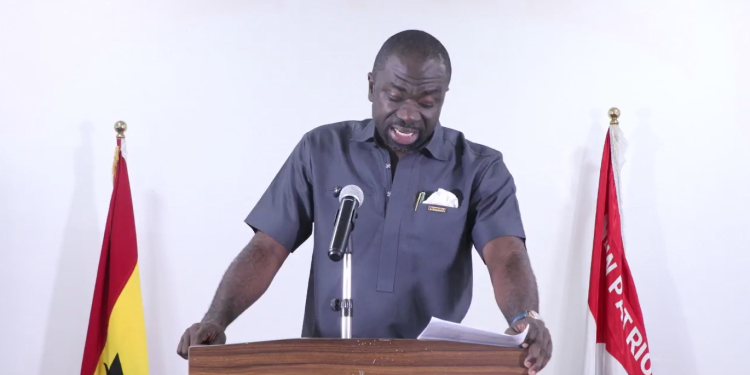
The New Patriotic Party has escalated pressure on Ghana's Attorney General following the conviction of former Goldman Sachs employee Asante Kwaku Berko in the United States for bribery connected to the controversial AKSA energy deal. The NPP argues that the US court outcome underscores the urgency of a thorough local investigation and questions whether Dr. Dominic Ayine can impartially oversee such a probe.
At a press conference on Thursday, August 14, 2026, Nana Agyei Baffour Awuah, Member of Parliament for Manhyia South, stated bluntly: "We do not believe that the Attorney General can command the confidence of the Ghanaian public to independently investigate or prosecute allegations involving officials or politically connected persons of the NDC." The party's concern centres on what it perceives as a pattern of abandoned prosecutions since Ayine took office in January 2025.
Pattern of Dropped Cases Fuels Doubts
The NPP cited several high-profile matters in which the Attorney General has entered a nolle prosequi—a legal discontinuance of criminal proceedings. These include the SSNIT scandal, the Saglemi housing project case, COCOBOD-related matters, and the UniBank case. The party argues these decisions raise fundamental questions about accountability and the recovery of public funds, warning that taxpayers may ultimately bear the financial consequences of alleged wrongdoing going unpunished.
By linking the AKSA bribery conviction abroad to these domestic legal actions, the NPP is suggesting a troubling narrative: that the current government may lack the political will to pursue cases involving its own allies. The contrast between Berko's conviction in a foreign court and the apparent reluctance to prosecute locally is deliberately stark.
Why This Matters for Ghana
The AKSA energy deal has long been a symbol of energy sector governance concerns in Ghana. The conviction of a foreign intermediary in connection with the transaction carries significant reputational implications and may prompt further international scrutiny of Ghana's handling of major infrastructure agreements. More importantly, it highlights whether Ghana's justice system can function independently or whether political considerations override accountability.
The dispute also reflects broader tensions between Ghana's main political blocs. With general elections typically driving political polarisation, the NPP's challenge to the Attorney General's independence serves dual purposes: it pressures the government on a substantive governance issue while simultaneously framing the NDC administration as unwilling to hold its own officials accountable. For ordinary Ghanaians, the central question is whether public resources connected to controversial deals will be recovered and whether those responsible will face consequences under Ghana's laws.
The Attorney General's office has not yet publicly responded to these allegations. Whether the government pursues an independent investigation into the Ghanaian side of AKSA, and how transparently it conducts such an inquiry, will likely become a touchstone for debates about institutional independence and the rule of law in the coming months.
Source: The Ghana Report


Comments (0)
Be the first to comment.