NPP Ashanti chair hopeful vows to overcome internal divisions as regional contest intensifies

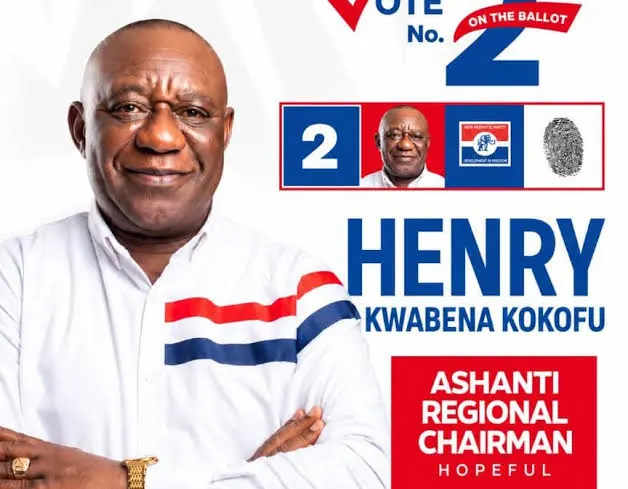
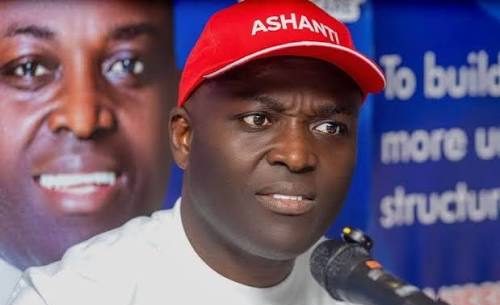
A contender in the New Patriotic Party's Ashanti Regional chairmanship election has reassured party members of his commitment to clinching the position, despite what he characterises as negative campaigns targeting his candidacy ahead of the crucial vote.
The candidate, identified as COKA, has publicly stated his determination to remain undeterred by what he describes as smear tactics and factional manoeuvres within the party's structures. His comments come as the NPP prepares for regional leadership elections, a process that traditionally generates significant internal competition within Ghana's largest opposition party.
The Ashanti Region Factor
The Ashanti Region remains a critical stronghold for the NPP, historically delivering substantial electoral support during national elections. Control of the regional party machinery carries considerable influence over candidate selection, campaign organisation, and resource allocation within the party structure. Leadership elections at this level often attract multiple candidates and can become flashpoints for broader party tensions, especially during periods between general elections when internal consolidation becomes a priority.
Regional chairpersons play key roles in grassroots mobilisation, fundraising, and dispute resolution within their constituencies. In Ashanti's case, the regional office oversees one of Ghana's most populous and politically active regions, making the election significant beyond the party's internal mechanics.
Party Elections and Internal Competition
The NPP, like most political parties in Ghana, conducts periodic elections to refresh party leadership at various levels. These contests, whilst designed to ensure democratic participation, frequently surface underlying disagreements between different party factions and leadership camps. Candidates often accuse rivals of deploying unfair tactics, which COKA has now flagged publicly.
Such internal political contests reflect the healthy democratic culture within political parties, though they can occasionally create friction that parties must manage carefully to avoid damaging party cohesion ahead of general elections. The party's ability to navigate these contests without lasting acrimony determines whether it emerges unified for broader electoral campaigns.
Why It Matters for Ghana
Ghana's political stability partly depends on how effectively major parties manage internal competition and resolve leadership disputes constructively. The NPP's Ashanti operations directly influence national politics, given the region's demographic and electoral weight. How regional leadership elections are conducted, and whether they remain focused on policy and vision rather than personal attacks, sets a tone for party culture.
Additionally, the strength and unity of opposition party structures affects the overall quality of Ghana's democratic competition. A fragmented or internally divided opposition can weaken critical oversight functions in parliament and during election cycles. Conversely, a cohesive, professionally-run opposition holds the ruling party accountable and ensures electoral contests remain competitive and credible.
COKA's public commitment to pushing forward despite alleged negativity suggests he intends to keep the contest focused on substantive matters rather than escalating divisions. The coming weeks will reveal whether the Ashanti NPP election proceeds smoothly or whether internal tensions resurface as voting approaches.
Source: 3News


Comments (0)
Be the first to comment.