NPA assures Ghana of fuel security as price pressures mount
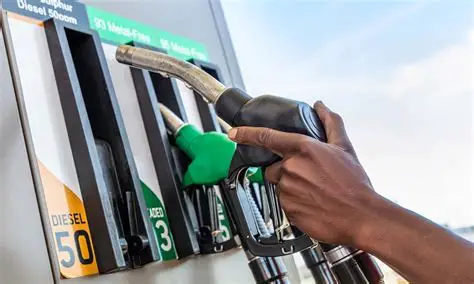
Ghana's fuel supply chain has adequate buffers to prevent private petroleum companies from manipulating domestic markets, the National Petroleum Authority (NPA) has assured the public, even as international crude prices continue to squeeze margins across the sector.
NPA Chief Executive Godwin Edudzi Tamakloe stressed that the country maintains a minimum of six weeks of petroleum product cover in storage, whilst multiple vessels carrying refined fuel are en route to Ghana, creating a second layer of security against sudden supply shocks.
"Currently we have not less than 6 weeks of cover. And if you look at the number of vessels even on the high seas, it is significant," Mr Tamakloe told media outlets, seeking to calm nerves in a market gripped by global supply chain anxieties.
The assurance comes as the downstream sector grapples with rising international crude and refined product prices. The NPA responded by adjusting the minimum price floor for the latest pricing window, setting petrol at GH¢16 per litre and diesel at GH¢16.77 per litre, reflecting global cost pressures being transmitted to local pumps.
Addressing the ransom risk
The NPA's explicit focus on preventing fuel companies from "holding the country to ransom" references Ghana's painful experience during 2014-2015, when fuel shortages triggered widespread blackouts and economic disruption as private suppliers curtailed operations amid forex and pricing pressures.
When asked directly whether Ghana's reliance on private fuel stocks could leave government vulnerable to corporate manipulation, Mr Tamakloe acknowledged the risk but insisted structural safeguards now exist. He declined to specify these mechanisms in detail but framed them as deliberate policy design under the NPA's enabling legislation, Act 691.
The law, he explained, was intentionally crafted to foster competitive private sector participation through layered industry players—Bulk Distribution Companies, Oil Marketing Companies and others—rather than concentrating supply in the hands of a few state-owned entities.
"If you look at the industry architecture as seen in the Act, it is private sector led. It is to create more private sector participation in the downstream," he said.
Why it matters for Ghana
Fuel availability and pricing remain critical leverage points in Ghana's economy. Energy costs directly shape transport fares, electricity tariffs, manufacturing competitiveness and inflation. When fuel becomes scarce or prices spike sharply, the knock-on effects ripple through every economic sector and household budget.
The 2014-2015 fuel crisis demonstrated how quickly petroleum shortages can cascade into national crises. Sustained blackouts crippled businesses, schools and hospitals, whilst queues at petrol stations became emblematic of government failure. That episode remains a political scar.
President Akufo-Addo has made preventing a repeat a personal priority, according to Mr Tamakloe. The framing of private fuel companies as potential threats to national stability underscores the tension between Ghana's market-driven downstream sector and state security concerns. Finding the balance—encouraging private investment without surrendering control over a critical resource—remains a persistent policy challenge.
On the immediate front, Mr Tamakloe shifted focus from supply anxiety to price pressure. Whilst global refinery margins compress and international crude remains volatile, the NPA's primary concern is protecting consumers and businesses from runaway pump prices, not preventing shortages.
The news that state-owned BOST Energies has reduced fuel exports to Burkina Faso and Mali signals that Ghana is internally focused during uncertain times—prioritising domestic security over regional trade, at least temporarily.
Source: The Ghana Report


Comments (0)
Be the first to comment.