
No Doctor Left Behind: Health Ministry Pushes Back Against Claims of Graduate Abandonment
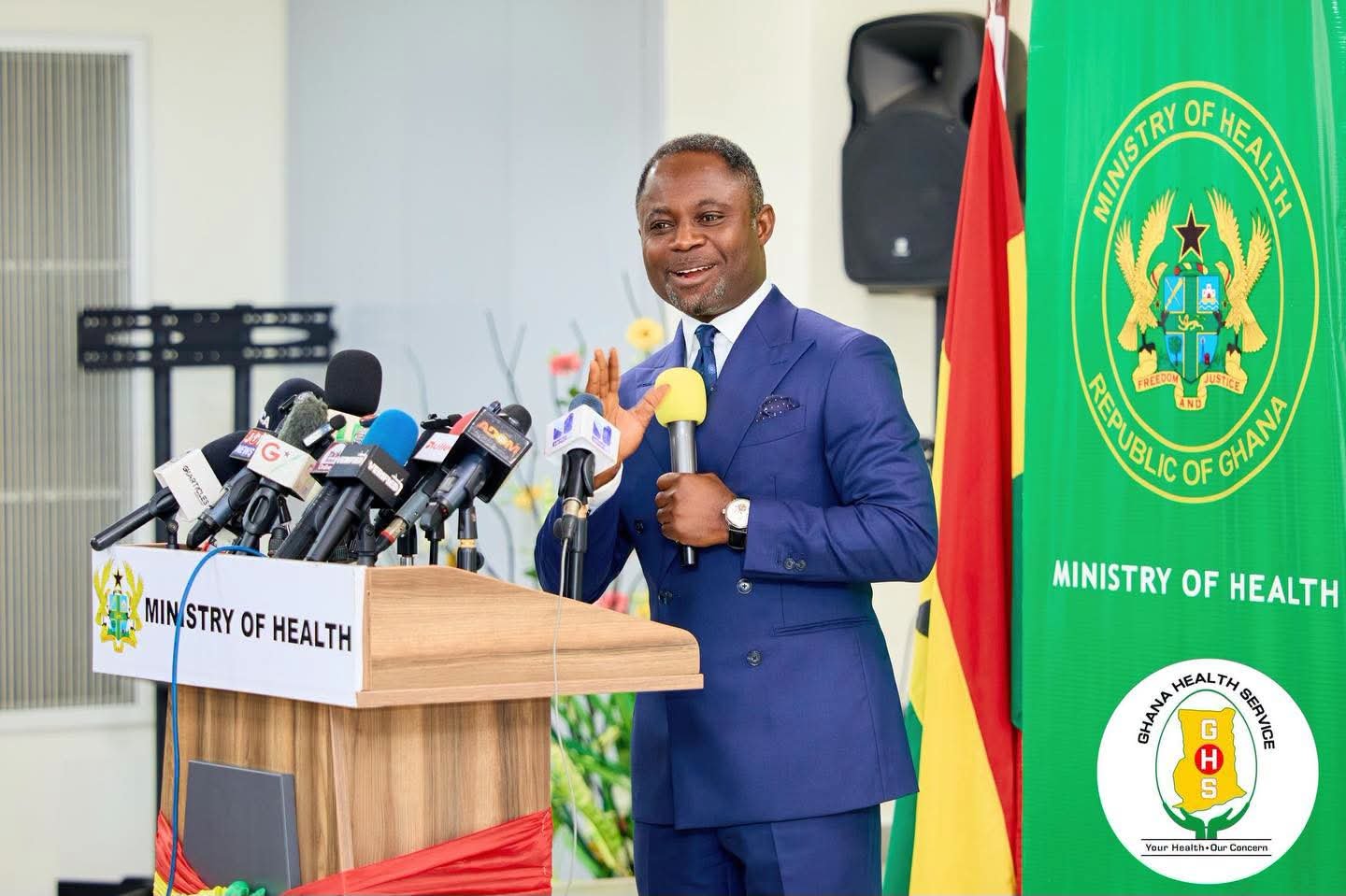

Ghana's Ministry of Health has firmly rejected viral social media claims suggesting that the country trains medical doctors only to abandon them after graduation. In an official press release, the Ministry described such claims as misleading and outlined the well-established processes that guide newly qualified doctors from housemanship through to permanent employment in the public health system.
How the system actually works
According to the Ministry, the recruitment and posting of house officers is a shared responsibility between the Medical and Dental Council and the Ministry of Health. Three separate batches of newly qualified doctors commenced their housemanship in 2026, with their start dates varying based on when they graduated and when they completed the necessary administrative requirements.
Housemanship, the Ministry clarified, is a mandatory two-year practical training programme for newly qualified medical doctors and dentists. The first year places trainees in secondary and tertiary healthcare facilities, while the second year moves them to district-level postings to broaden their clinical exposure. Crucially, the Ministry emphasised that financial clearance for the full two-year programme is secured before housemanship begins — meaning doctors do not face a fresh bureaucratic hurdle when transitioning from their first year to their second.
On the question of permanent employment, the Ministry confirmed that a standing arrangement exists between itself and the Ministry of Finance to ensure that doctors and dentists move into substantive positions immediately upon completing housemanship. The Ministry is currently recruiting the 36th batch of Medical Officers and Dentists and is preparing to begin recruitment for the 37th batch, whose members have recently obtained permanent registration from the Medical and Dental Council.
A shift towards needs-based recruitment
One notable development highlighted in the Ministry's statement is a change in how recruitment is conducted. Rather than inviting applications and assigning personnel without regard to available positions, the Ministry now first identifies actual vacancies in health facilities before opening recruitment. This approach, it explained, is intended to match medical personnel to genuine staffing needs and to ensure postings are aligned with approved requirements across the country's health infrastructure.
The oversight of medical education and housemanship remains with the Medical and Dental Council, which is responsible for accrediting training institutions and regulating the professional registration of all medical and dental practitioners in Ghana.
Why this matters for Ghana
Ghana has long grappled with a significant shortage of healthcare workers, particularly in rural and district-level facilities. The doctor-to-patient ratio remains a persistent concern, making the smooth integration of newly trained doctors into the health system a matter of national importance — not just for the graduates themselves, but for the millions of Ghanaians who depend on public health services.
When newly qualified doctors face prolonged delays in employment or unclear pathways after graduation, the consequences can be severe: talent drain as doctors seek opportunities abroad, demoralisation within the medical profession, and gaps in service delivery at under-resourced facilities. The Ministry's clarification is therefore timely, as public confidence in the state's ability to absorb and deploy its medical workforce has direct implications for healthcare access across the country.
The Ministry's move to vacancy-led recruitment is also significant. It suggests a more strategic approach to health workforce planning — one that could reduce the mismatch between where doctors are posted and where they are most needed. If implemented consistently, this model could improve healthcare delivery in underserved communities while giving newly qualified professionals clearer and more purposeful career entry points.
- The Ministry and Medical and Dental Council jointly manage the recruitment and posting of house officers.
- Financial clearance for the full two-year housemanship is secured upfront, removing mid-programme delays.
- Recruitment now prioritises actual vacancies before inviting applications from qualified doctors.
Source: The Ghanaian Times



Comments (0)
Be the first to comment.