
Nigerian Emir of Daura Suspended Over Sexual Assault Claims by Tourist
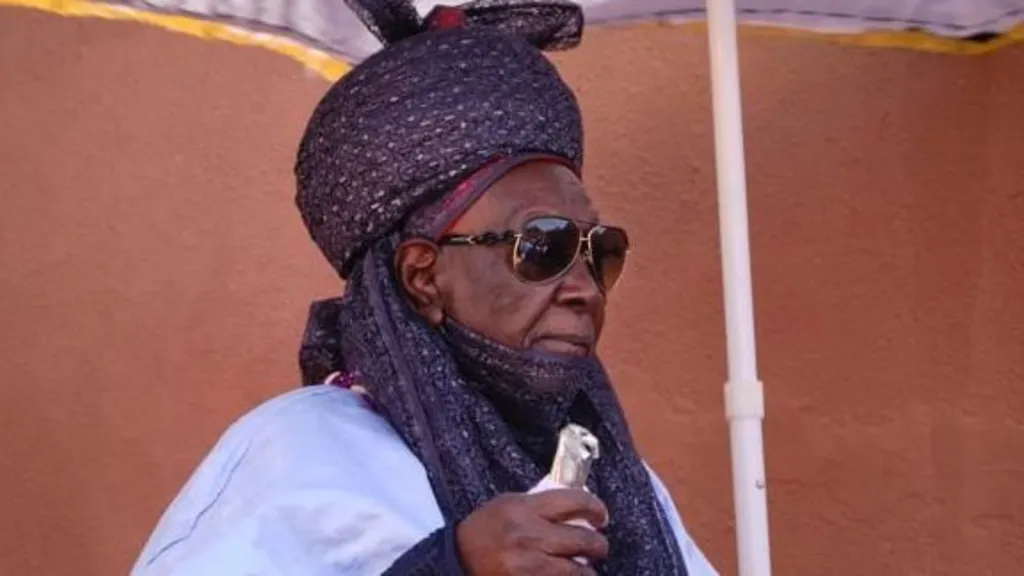

One of northern Nigeria's most culturally significant traditional rulers, the Emir of Daura, Umar Farouk Umar, has been suspended from all official engagements and barred from travel after a Polish tourist accused him of sexually assaulting her during a visit to his palace. The Katsina state government acted swiftly following an outcry on social media, directing the formation of an investigative committee to examine the allegations against the 92-year-old monarch.
What happened
The tourist, who had been travelling across Nigeria for 30 days, visited the Emir's palace on 14 November. She subsequently took to Instagram to describe an encounter in which she says the emir grabbed her chest, stating she felt deeply disgusted by the experience. A video she posted — which has since been deleted — appeared to show a man holding her hands in his lap before she is heard saying "Stop, stop" as hands reached towards her chest.
The post ignited immediate and widespread reaction across Nigerian social media, with users demanding accountability and calling on state authorities to act. Katsina Governor Dikko Umaru Radda responded by ordering the emir's suspension from official duties and directing the constitution of an investigative committee. The state government stressed that the allegations were being taken seriously and that the committee's findings and recommendations would be fully implemented. However, the government has not disclosed the committee's membership, its specific terms of reference, or a timeline for delivering its report. The emir himself has made no public statement regarding the allegations or his suspension.
The significance of the Emir of Daura
The Emir of Daura is not an ordinary traditional ruler. Daura holds a uniquely sacred place in Hausa culture and history — it is regarded as the spiritual homeland of the Hausa people and the origin of the Hausa royal lineage, sitting at the very heart of Hausa origin mythology. The emirate system itself dates to pre-colonial times, and while emirs no longer hold formal political power, their cultural and religious influence across northern Nigeria remains enormous.
Umar has served as emir since 2007, when he succeeded his brother Bashar dan Umaru, who had reigned for 41 years. Politicians regularly visit the palace to seek royal prayers and the emir's symbolic endorsement, underlining the soft power these traditional rulers continue to exercise. His suspension is therefore a significant moment — not merely a disciplinary measure against an individual, but an event that touches on the relationship between traditional authority and accountability in modern Nigeria.
Why it matters for Ghana
The case carries clear relevance for Ghana and the broader West African sub-region. Ghana, like Nigeria, maintains a system of traditional chieftaincy that commands deep cultural respect and significant social influence. The question of how modern states handle allegations of misconduct against revered traditional figures is one that resonates across the region, including in Ghana, where chiefs remain powerful community leaders.
The incident also reignites conversations about the safety of tourists visiting West Africa. Ghana has in recent years invested considerably in positioning itself as a leading tourism destination on the continent, particularly following the Year of Return and Beyond the Return campaigns. Any perception that tourists — especially women travelling alone — may be vulnerable to harassment at high-profile cultural sites could affect visitor confidence across the region, not just in Nigeria.
Beyond tourism, the case highlights the growing power of social media to hold even the most established traditional institutions to account. The fact that a single Instagram post by a foreign visitor prompted state-level intervention against one of Nigeria's best-known monarchs sends a message that resonates well beyond Katsina state. For Ghana's own traditional authorities and the institutions that oversee them, it is a reminder that accountability expectations are rising — and that the digital public square is watching.
Source: MyJoyOnline



Comments (0)
Be the first to comment.