Nigeria's Mass Wedding Scheme: How Kano Tackles Fraud to Help 1,500 Couples
Nigeria's Kano state has just concluded its largest mass wedding ceremony to date, uniting 1,500 couples in a week-long celebration that transformed the northern city into a vibrant showcase of colour and tradition. Yet beneath the festivities lies a growing problem: organisers are struggling to distinguish genuine couples from those willing to exploit the scheme for financial gain.
The initiative, which began in 2012 with just 100 couples—mostly widows and divorcees—has evolved into one of Africa's most ambitious marriage subsidy programmes. This year, the Kano state government invested 1.5 billion naira (approximately $1 million) to support the newlyweds, with each couple receiving an estimated 1 million naira in combined benefits including household furniture, food supplies, a 100,000-naira dowry and entrepreneurship start-up capital.
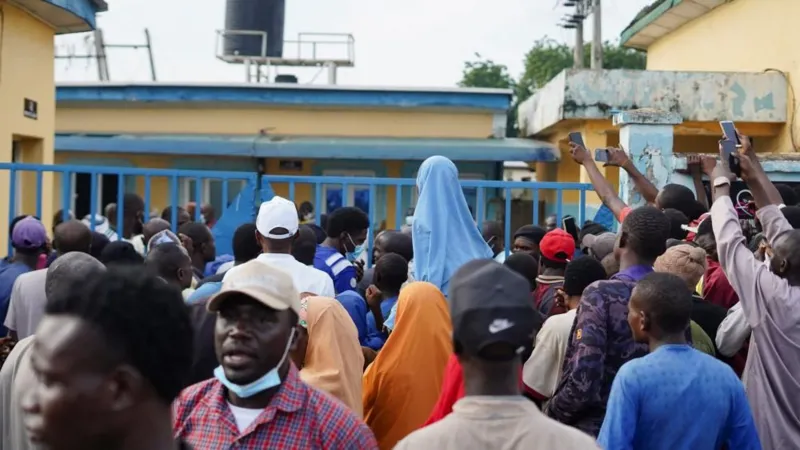
The scheme's appeal is undeniable. With Nigeria's economy under severe strain, the cost of marriage has become prohibitively expensive for many low-income families. This year alone, 5,000 couples applied—more than triple the number who were selected—underscoring the desperation facing ordinary Nigerians struggling with inflation and unemployment.
The Challenge of Spotting Fraudsters
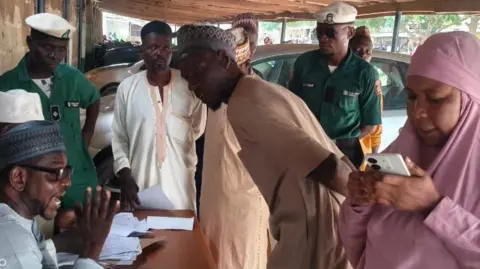
Overseeing the vetting process falls to the Hisbah, Kano's Islamic police force, whose officers have had to become increasingly vigilant against applicants willing to commit fraud. Mujahid Aminudeen, deputy commander-general of the Hisbah, acknowledged the difficulty: couples go to extraordinary lengths to present themselves as genuine partners when their true motivation is the financial package.
The deception takes alarming forms. Some applicants have altered medical test results to bypass health screening requirements. In one shocking case, a prospective bride presented her brother as her groom in an attempt to access the benefits. Another couple who were already married tried to reregister as an engaged pair. Scammers have also capitalised on the desperation, demanding bribes from applicants eager to make the final list—though the Hisbah confirmed these fraudsters were not government officials.
All intending couples must undergo comprehensive medical examinations, including tests for HIV, hepatitis, pregnancy and genotype compatibility. These safeguards are meant to protect public health and ensure couples are genuinely prepared for marriage, yet determined fraudsters continue to find ways around them.
Why This Matters for West Africa
Kano's mass wedding scheme offers a window into the broader economic crisis gripping West Africa and the creative policy responses emerging across the region. Governments are increasingly turning to direct subsidy programmes to address poverty and social breakdown, yet implementation challenges remain acute. The fraud problem reflects not simply dishonesty but the desperation of citizens facing economic collapse; when ordinary people cannot afford marriage—a fundamental social institution—it signals deep structural problems.
For Ghana and neighbouring countries, the Kano model presents both opportunity and caution. A similar programme could help address marriage costs in lower-income communities, yet safeguards against fraud and exploitation must be built in from the outset. The lesson from Kano is that good intentions alone are insufficient; robust vetting, transparent processes and community oversight are essential.
The Hisbah has pledged to maintain vigilance while assuring applicants that the entire process remains completely free—no bribes, no hidden costs. Organisers emphasise that selection, medical screening and benefit distribution are all government-funded. Yet as economic pressure mounts across West Africa, maintaining the integrity of such programmes will become increasingly challenging.
Source: MyJoyOnline



Comments (0)
Be the first to comment.