Niger, Mali, Burkina Faso Quit the ICC — But It's Victims Who Lose Most
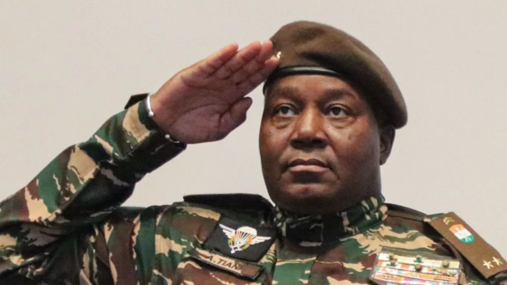
Niger's military government has formally notified the International Criminal Court (ICC) of its intention to withdraw from the institution, triggering a one-year exit process under Article 127 of the Rome Statute. The move makes Niger only the third country in history to complete a full departure from the court, following Burundi in 2017 and the Philippines in 2019. The decision has drawn sharp concern from human rights groups who argue it is ordinary citizens — not political elites — who will suffer most when the court's reach retreats.
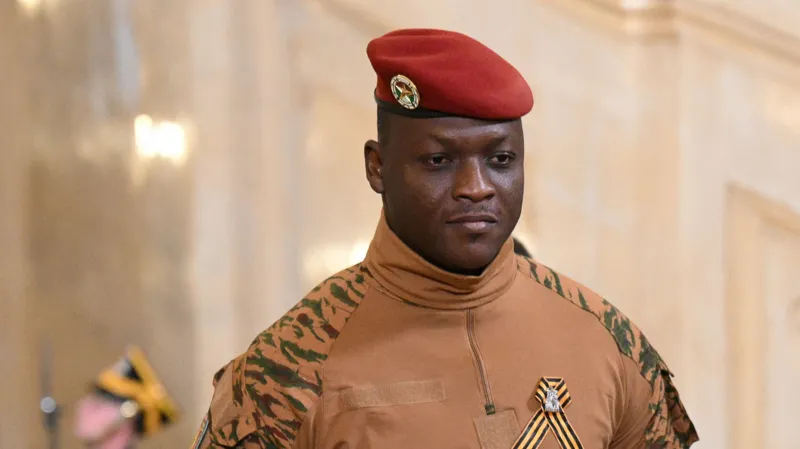
The timing is difficult to ignore. Niger has been governed by a military junta since the July 2023 coup and is now aligned with neighbouring Mali and Burkina Faso under the Alliance of Sahel States — all three under military rule, and all facing serious allegations of human rights abuses. Both Mali and Burkina Faso have declared their intent to leave the ICC, though neither has yet filed a formal withdrawal notice. Critics argue the exits amount to a coordinated effort by governments under scrutiny to escape international accountability rather than any principled legal position.
A Pattern of Retreat Amid Repression
Human rights analysts point to a troubling trend: nearly every state that has walked away from the ICC has done so during periods of democratic backsliding, authoritarian consolidation, or widespread allegations of atrocity crimes. In such circumstances, withdrawal functions less as a sovereign legal choice and more as a political shield against external scrutiny. The burden of that choice, however, falls not on generals or government ministers but on survivors of violence who have nowhere else to turn when domestic courts fail them.
The ICC has delivered landmark justice moments that matter deeply across the African continent. In Uganda, warlord Dominic Ongwen was convicted of atrocities committed by the Lord's Resistance Army and ordered to pay approximately $56 million in reparations to survivors. In Mali, Ahmad Al Faqi Al Mahdi was held accountable for the destruction of cultural heritage sites in Timbuktu and ordered to pay around $3 million in reparations. In the Democratic Republic of Congo, conflict survivors have participated directly in proceedings that formally recognised their suffering. Through its Trust Fund for Victims, the court has also funded rehabilitation and support programmes for survivors of grave crimes.
Impunity Breeds More Violence
Legal scholars and advocates are clear on what history shows: when accountability mechanisms are dismantled, impunity grows — and where impunity grows, violence tends to follow. The ICC operates on the principle of complementarity, meaning it only steps in where national courts are unable or unwilling to act. For many victims in fragile or authoritarian states, that intervention represents the last realistic prospect for justice.
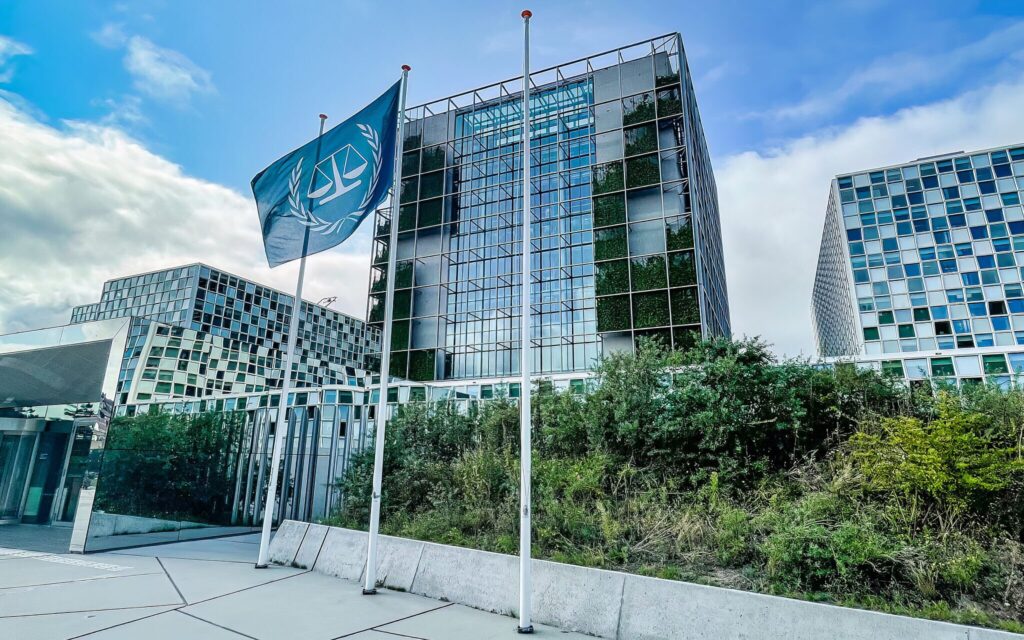
The court, established by the Rome Statute in 2002, prosecutes individuals for genocide, crimes against humanity, war crimes, and aggression. Its procedures — from preliminary examinations to judicial authorisation of arrest warrants — are designed to ensure evidence-based rather than politically driven prosecutions. Whatever its imperfections, advocates insist the ICC remains one of the few global institutions that places victims at the centre of justice, and that withdrawals by the Sahel's military governments risk leaving millions of vulnerable people with no recourse whatsoever.
Source: The Ghana Report
Comments (0)
Be the first to comment.