NAIMOS Mounts Crackdown on Illegal Mining Choking Kyebi's Birim River
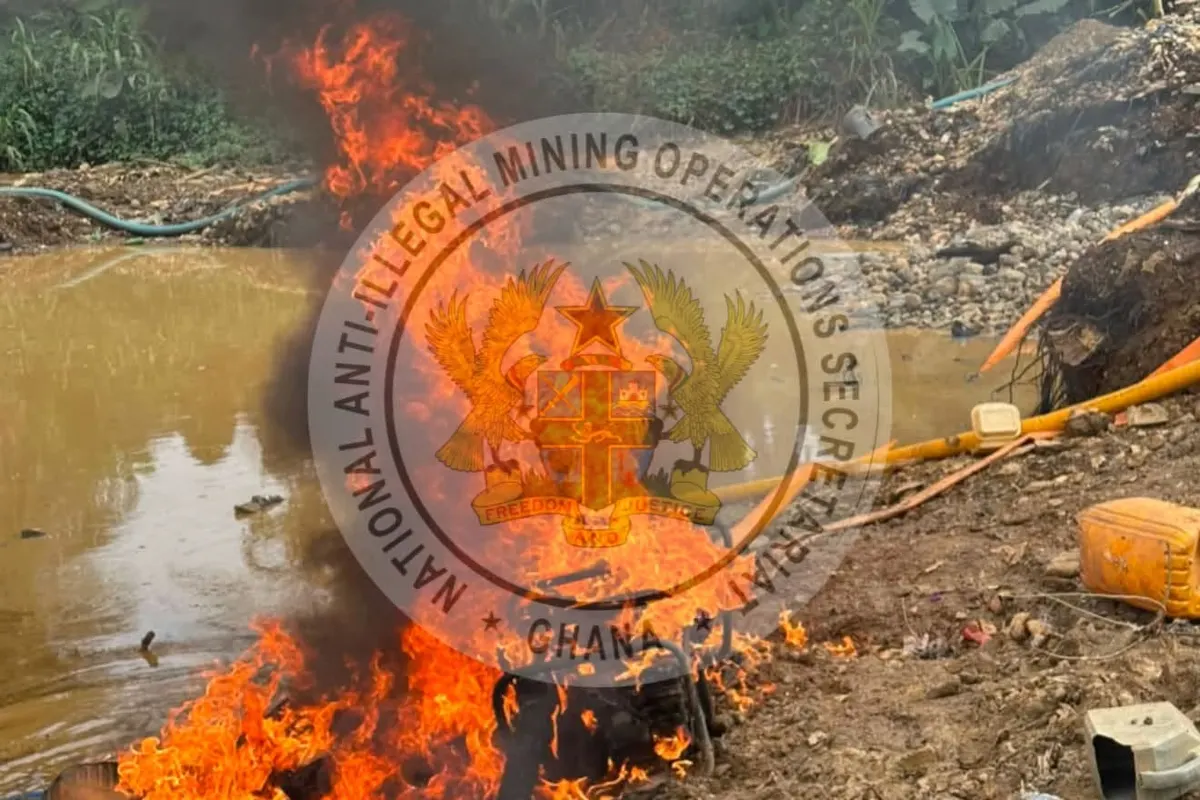
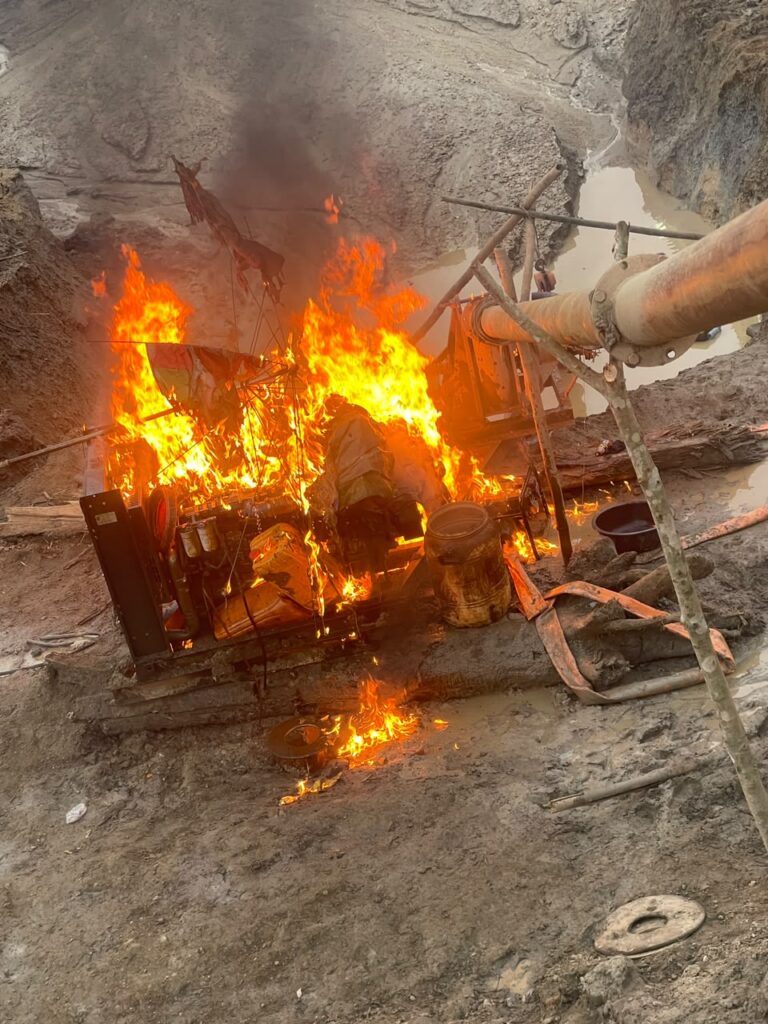
Ghana's National Integrated Mining Operations and Safety Centre (NAIMOS) has initiated a significant enforcement drive along the Birim River in Kyebi to dismantle illegal mining operations and restore water treatment capabilities for the Ghana Water Company Limited (GWCL). The operation addresses escalating environmental degradation that has compromised water infrastructure serving the community.
The illegal mining activities along the Birim River have posed a serious threat to water quality and accessibility in the area. By disrupting the natural flow and introducing contaminants, illegal miners have directly impacted GWCL's ability to treat and distribute safe drinking water to residents. This intervention by NAIMOS represents a renewed effort to enforce mining regulations and protect critical water resources.
The Environmental and Public Health Crisis
Illegal mining, locally known as galamsey, has become a persistent challenge in Ghana's mining regions. Beyond the Birim River situation, the practice degrades water bodies, destroys agricultural land, and poses health risks to communities that depend on these water sources. The Kyebi operation highlights how unregulated mining directly undermines essential services like water supply, affecting thousands of households.
The Birim River, a significant watercourse in the Eastern Region, has suffered considerable environmental damage from years of uncontrolled mining activity. Silt accumulation, chemical contamination, and habitat destruction have made water treatment more difficult and expensive for GWCL, ultimately affecting service delivery and increasing costs for consumers.
Why This Matters for Ghana
Water security remains a critical challenge for Ghana, particularly in regions where mining activity is concentrated. The NAIMOS operation in Kyebi signals a commitment to enforcing mining regulations and protecting water resources that millions of Ghanaians depend on daily. Success in this operation could serve as a model for similar interventions in other mining-affected areas across the country.
The restoration of water treatment capacity at the Birim River is essential for GWCL to meet its service obligations to residents. When mining destroys water infrastructure efficiency, it often leads to service disruptions, water rationing, or increased tariffs—burdens that fall heavily on ordinary Ghanaians. Tackling illegal mining is therefore not just an environmental issue but a matter of public health and economic welfare.
NAIMOS's focus on this operation also reflects broader government efforts to curb the environmental and social damage caused by unregulated mining. Partnerships between regulatory bodies, water authorities, and enforcement agencies are crucial to sustaining long-term progress against illegal mining and ensuring that Ghana's natural resources benefit the nation rather than destroy its infrastructure.
Source: 3News


Comments (0)
Be the first to comment.