
Minister Agyeman-Rawlings pushes responsible mining model after Zijin visit
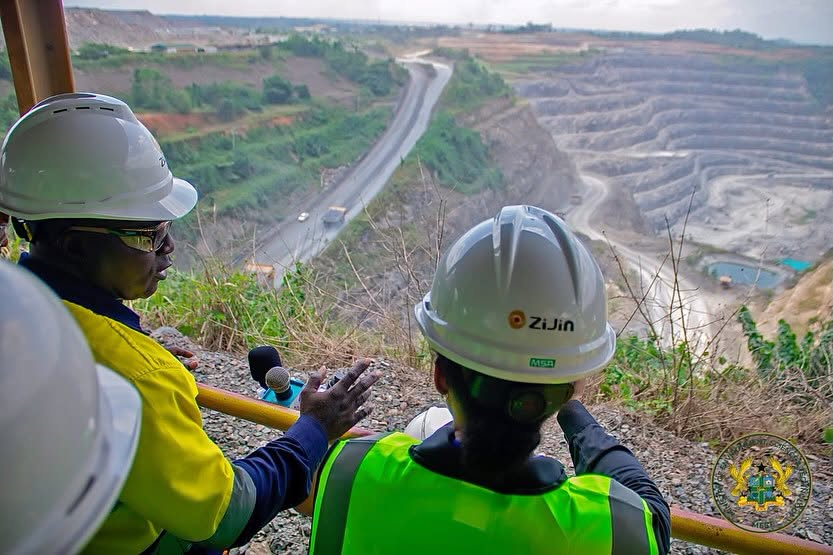

Environment Minister Dr Zanetor Agyeman-Rawlings has reiterated the critical importance of responsible mining practices following a field visit to Zijin Mining's operations at New Abirem in the Eastern Region. The tour underscored a stark contrast between industrial mining conducted with environmental safeguards and the widespread destruction caused by illegal mining activities across Ghana.
During the visit, Dr Agyeman-Rawlings was briefed on Zijin Mining's environmental management protocols, including land reclamation initiatives, rehabilitation of exhausted mining zones, and extensive tree-planting programmes. The minister used the opportunity to highlight that Ghana's substantial mineral wealth can be extracted without compromising the nation's natural resources and ecological systems.
In a Facebook post following the tour, the minister stated: "Our mineral resources are important to Ghana's economic development, but their extraction must never come at the expense of our water bodies, farmlands, ecosystems and the wellbeing of future generations." This statement reflects growing pressure on government to strike a sustainable balance between revenue generation from mining and environmental preservation.
Ghana's mining dilemma
Ghana's mining sector remains a cornerstone of the economy, contributing significantly to government revenue and employment. However, the sector faces mounting scrutiny due to environmental damage, particularly from galamsey—illegal small-scale mining operations that have devastated water systems, farmlands and forest reserves across multiple regions.
The recent visit to Osino, where illegal mining has caused substantial environmental degradation, served as a sobering reminder of the costs of unregulated extraction. The contrast between responsible industrial operations and illegal mining demonstrates that environmental destruction is not inevitable when mining is properly regulated and companies implement robust mitigation measures.
Why this matters for Ghana
The minister's focus on responsible mining practices carries significant implications for Ghana's future. Water security remains critical for millions of Ghanaians, and contamination from mining threatens both domestic supplies and agricultural productivity. The farming communities in regions like Ashanti, Eastern and Central regions have reported declining yields and water access due to mining-related environmental damage.
The government's apparent commitment to enforcing environmental standards among licensed operators signals a potential tightening of regulations and compliance monitoring. This could mean increased operational costs for mining companies but greater protection for communities and ecosystems. For Ghanaians employed in mining communities, the balance between job security and environmental safety remains precarious.
Additionally, Ghana's international reputation as a responsible mining jurisdiction affects investment decisions and trade partnerships. The visibility of the minister's environmental advocacy suggests government recognition that sustainable mining practices are essential for long-term economic stability and social cohesion.
Forward direction
The minister called for mining practices that harmonise economic benefits with environmental protection and land restoration. This requires strengthened enforcement of environmental impact assessments, penalties for non-compliance, and community engagement in monitoring operations. Whether government will allocate sufficient resources to achieve these standards remains uncertain.
Source: MyJoyOnline


.jpg)

Comments (0)
Be the first to comment.