Multi-billion-cedi Astroturf Programme Plagued by Corruption, Ownership Disputes—Corruption Watch Investigation
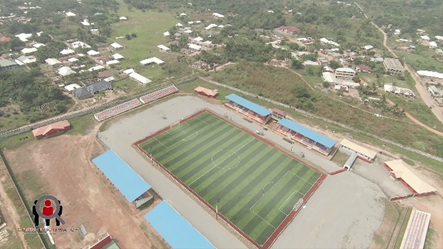
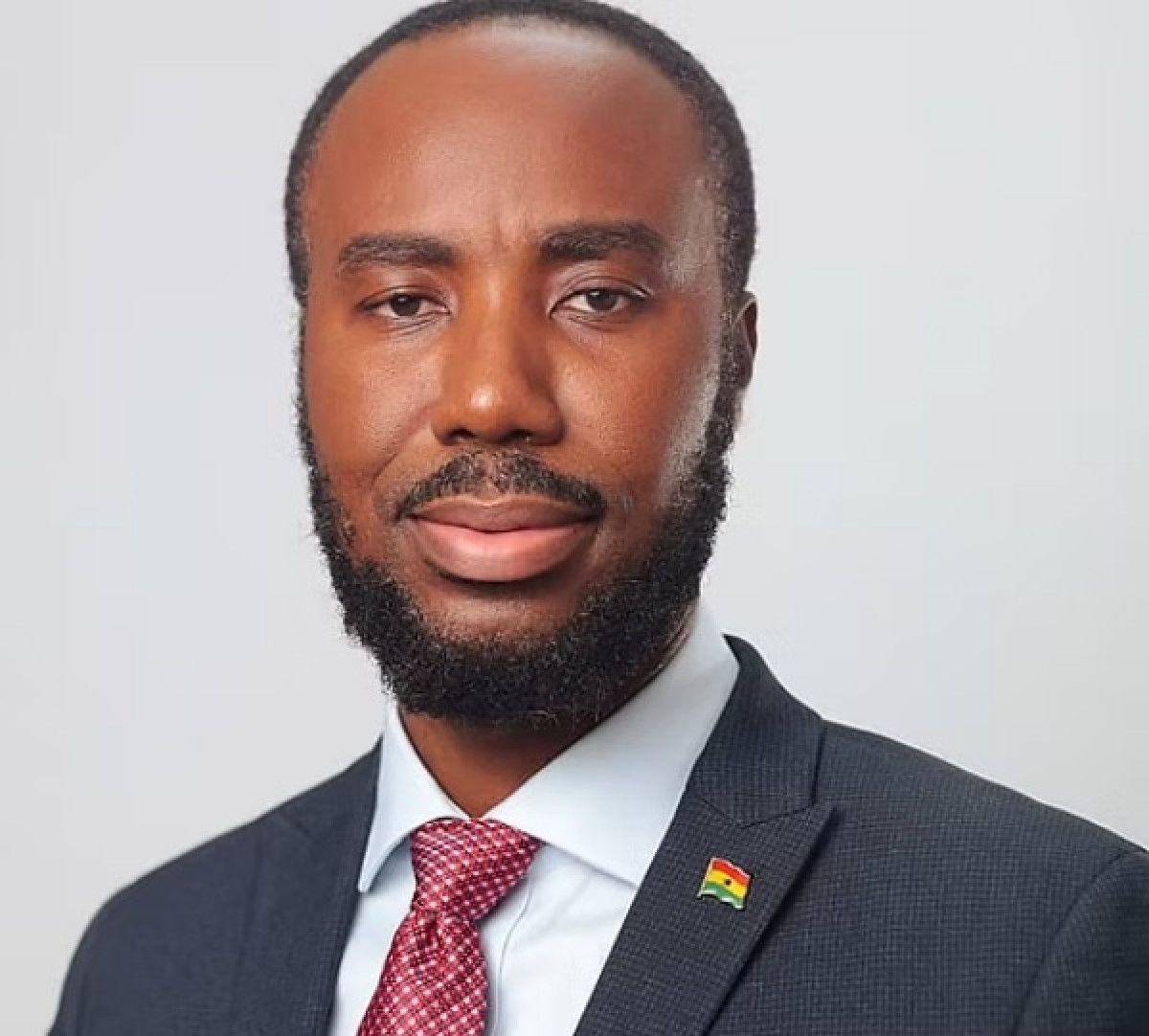
A damning investigation by Corruption Watch has revealed widespread corruption, procurement irregularities and ownership disputes in Ghana's One Constituency, One Astroturf programme—a flagship sports infrastructure initiative launched in 2017 that was meant to develop youth facilities across the country. The exposé names former Energy Minister John Peter Amewu and former Ghana Gas Communications Director Ernest Owusu-Bempah as central figures in disputes over publicly funded sports facilities valued at over GH₵17 million, raising serious questions about governance and public accountability.
The investigation, which began in February 2025, is examining 169 Astroturf and sports infrastructure projects constructed nationwide, representing public investments exceeding GH₵1 billion. The first phase focuses on three facilities—the Hohoe Sports Stadium in the Volta Region and the Agogo Sports and Cultural Complex in the Ashanti Region—where procurement breaches and conflicts of interest have been identified.
How Public Funds Were Mismanaged
According to Corruption Watch's findings, both projects were funded through Corporate Social Responsibility programmes by state agencies including the Ghana National Petroleum Corporation Foundation, Ghana Gas, Volta River Authority and others. However, the construction processes involved serious procedural violations.
The Agogo Sports and Cultural Complex, funded entirely by Ghana Gas for GH₵3.4 million, was awarded directly to Wembley Sports Construction Company Limited through a single-source contract—bypassing the mandatory competitive bidding process required under Ghana's Public Procurement Act. The Hohoe Stadium project presents even graver concerns: documentary evidence shows Wembley had already been mobilized, commenced work and received substantial payments before the municipal assembly sought required approval from the Public Procurement Authority to deviate from competitive procurement.
Procurement specialists interviewed by Corruption Watch questioned the legality of these arrangements. Kobina Ata-Bedu, a procurement specialist, emphasized that competitive tendering is the default method under Ghana's Public Procurement Act, and any deviation requires prior PPA approval—not retrospective justification. David Ofosu-Dorte, Senior Partner at AB & David Africa, noted that using public funds to procure goods, works or services mandates strict compliance with procurement law.
The Ownership Row and Political Complications
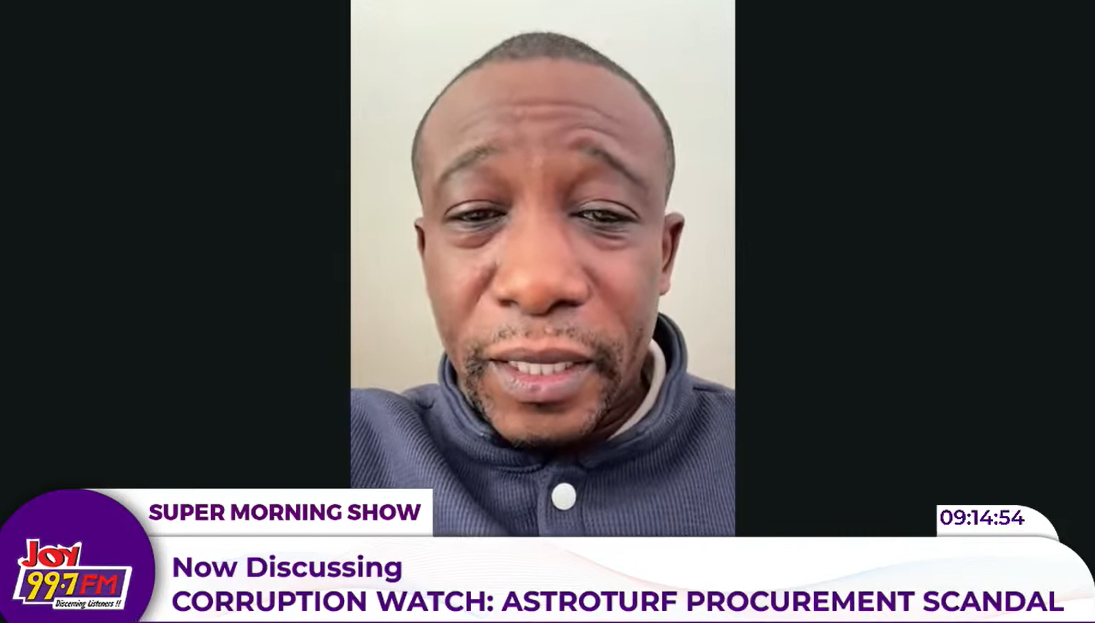
The dispute over facility ownership adds another layer of concern. Former MP Peter Amewu claimed he personally identified Wembley as the contractor, prepared bills of quantities and submitted them to the Assembly—contradicting official records which state the contract was awarded through a restricted tender process. This discrepancy suggests either falsification of records or abuse of office by a senior government official to bypass proper procedures.
Similarly, Ernest Owusu-Bempah's involvement in the Agogo project raises conflict-of-interest questions given his position at Ghana Gas, the primary funder. The investigation indicates that predefined decisions were legitimized through procurement procedures rather than genuinely competitive processes, and inaccurate information was submitted to the PPA.
Why It Matters for Ghana
This investigation exposes how flagship government programmes can become vehicles for corruption, even when their stated purpose—developing youth sports infrastructure—is widely popular. The Astroturf initiative represents over GH₵1 billion in public resources, yet Corruption Watch's preliminary findings suggest systematic abuse across 169 projects. If patterns identified in Hohoe and Agogo are replicated nationally, Ghana has lost not only vast sums to procurement fraud but also public trust in state institutions.
The involvement of senior figures from the Akufo-Addo administration underscores that corruption transcends party lines and suggests that accountability mechanisms—including the Public Procurement Authority and internal government oversight—failed to prevent breaches. As Ghana confronts deepening fiscal challenges, recovering mismanaged public funds and strengthening procurement enforcement have become urgent priorities. Citizens and civil society organisations will be watching closely as Corruption Watch's nationwide investigation unfolds and as authorities respond to these allegations.
Source: MyJoyOnline

Comments (0)
Be the first to comment.