Making History at 10: Ghana's Youngest Queen Nana Afua Kumiwaa I Installed in Awukugua
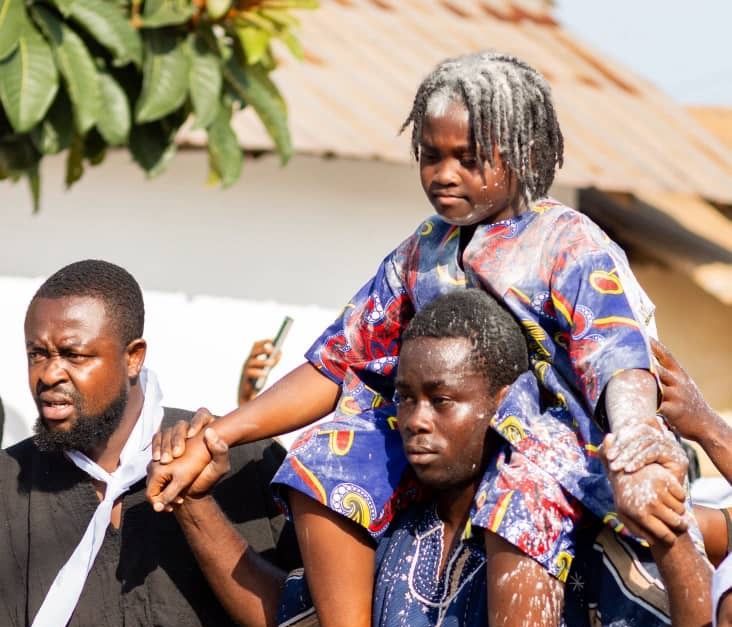
Ghana's traditional chieftaincy institutions have witnessed a remarkable moment as 10-year-old Nana Afua Kumiwaa I was formally enskinned as the Abontendom Ankobeahemaa of Awukugua in an elaborate ceremony steeped in cultural tradition. The installation, marked by the firing of musketry and traditional chants, drew together Asafo warriors, community elders, family members and kingmakers to witness the historic occasion.
The ceremony represents a significant milestone in Ghanaian customary governance, where young leaders are entrusted with ceremonial and cultural roles within their communities. The title Ankobeahemaa denotes a female chieftaincy position with roots in the region's traditional administrative hierarchy, though the specific duties and privileges vary by locale and custom.
The Ceremony and Traditional Protocols
The enskinment followed traditional protocols deeply embedded in Akan customs. The presence of the Asafo Company, the traditional militia that has historically protected Akan communities, underscores the ceremonial weight of such installations. The combination of musketry salutes, chanting, and the gathering of elders reflects the solemnity with which Ghanaian communities mark the elevation of their leaders, regardless of age.
For young enskinned chiefs and queens, the role typically carries cultural significance and community ambassadorial responsibilities, with actual administrative decisions often guided by councils of elders and advisors. Such positions also serve as a means of preserving historical lineages and ensuring continuity of traditional authority structures across generations.
Why It Matters for Ghana
Ghana's chieftaincy institution remains a vital pillar of cultural identity and local governance, operating alongside the formal governmental system. The installation of young leaders like Nana Afua Kumiwaa I demonstrates how these traditions adapt while maintaining their core values. It also highlights the role of women in traditional leadership—a dimension that has historically been less visible but remains important across many Ghanaian communities.
The institution of traditional rulers carries legal recognition under Ghana's constitution and customary law, with chiefs playing roles in land administration, dispute resolution, and cultural preservation. By ensuring younger generations inherit these responsibilities, communities maintain the bridge between ancestral heritage and contemporary society.
For Awukugua and similar communities, the presence of active, engaged traditional leadership—even when the leader is young—provides a focal point for cultural activities, community gatherings, and the preservation of local history and customs. It also keeps young Ghanaians connected to their heritage during a period of rapid modernisation.
The Broader Picture
Ghana's diverse ethnic groups maintain distinct chieftaincy systems, from the Akan kingdoms of the south and centre to the northern traditional structures. These systems continue to evolve, balancing respect for ancestral custom with contemporary expectations of transparency, accountability and inclusive governance. The installation of young leaders serves as both a celebration of tradition and a testament to communities' commitment to passing cultural knowledge to the next generation.
Nana Afua Kumiwaa I's enskinment is not merely a ceremonial event; it represents a community's investment in continuity, identity and the young person's future role as a custodian of her people's heritage.
Source: 3News

Comments (0)
Be the first to comment.