
Mahama Touches Down in Barbados for Historic Five-Day State Visit Aimed at Boosting Ghana-Caribbean Relations
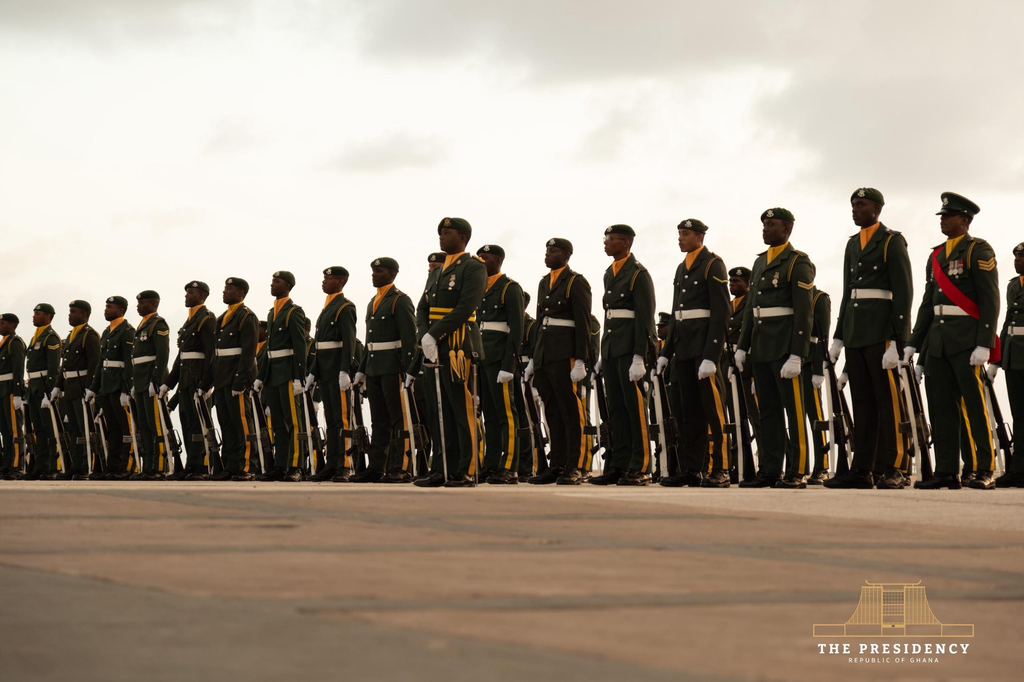

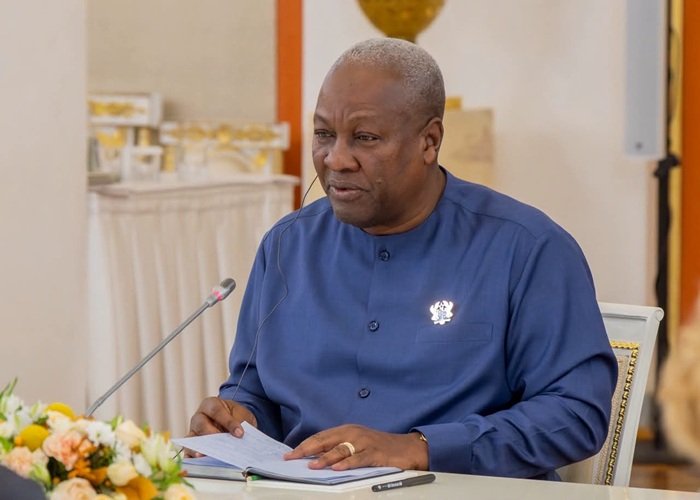
President John Dramani Mahama has landed in Barbados on a five-day State visit designed to reinforce the deep bonds between Ghana and the Caribbean nation — ties that stretch back centuries to the painful era of the transatlantic slave trade. The visit, running from 26 to 30 November 2026, marks a significant moment in Ghana's foreign policy outreach beyond the African continent.
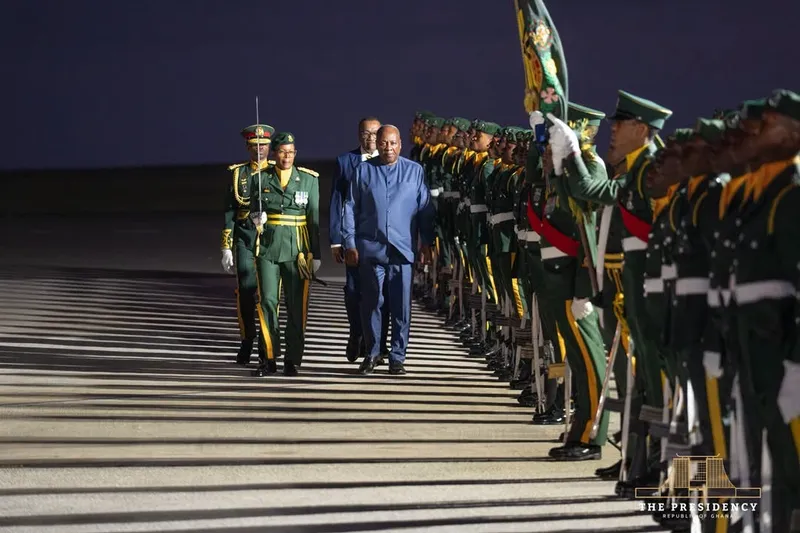
Mahama was received at the airport with full diplomatic honours, including a military guard of honour, by Barbados' President Jeffrey Davidson Bostic, Ghana's Minister for Foreign Affairs Samuel Okudzeto Ablakwa, and a host of senior dignitaries from both nations.
Key Engagements on the Agenda
During the visit, President Mahama is expected to hold face-to-face bilateral talks with Barbadian Prime Minister Mia Mottley, who has been one of the most prominent voices in the Caribbean on issues of climate justice, reparations, and South-South cooperation — all areas of mutual interest for Ghana.
He is also scheduled to meet President Bostic for formal discussions. One of the most anticipated moments of the visit will come on Friday, when Mahama is set to address a joint session of the Barbadian Parliament — a rare honour extended to visiting heads of state — and participate in the unveiling of the King Cuffie statue, a culturally symbolic event recognising the shared African heritage of both peoples.
- Diplomatic talks: Bilateral meetings with both President Bostic and Prime Minister Mottley are on the schedule.
- Parliamentary address: Mahama will speak before a joint session of the Barbadian Parliament on Friday.
- Cultural milestone: The unveiling of the King Cuffie statue underscores the African-Caribbean historical connection.
Why It Matters for Ghana
The Ghana-Barbados relationship is not merely ceremonial. It is anchored in a profound and painful shared history — millions of Africans, including many from the region that is now Ghana, were forcibly transported to the Caribbean during the transatlantic slave trade. This history has long formed the emotional and cultural backbone of African-Caribbean diplomacy.
For Ghana, deepening ties with Caribbean nations aligns with the broader vision of Pan-Africanism and the diaspora engagement agenda that has been central to Ghanaian foreign policy in recent years. Initiatives such as the Year of Return and Beyond the Return demonstrated Ghana's commitment to reconnecting with its diaspora, and this State visit continues in that spirit.
From an economic standpoint, there is growing interest in expanding trade and investment links between West Africa and the Caribbean. Both regions share challenges around climate vulnerability, food security, and economic diversification, and cooperation frameworks could benefit Ghanaian businesses and entrepreneurs looking to expand into new markets.
Prime Minister Mottley, in particular, has been an influential global figure on the question of reparations for slavery and colonialism — a conversation that Ghana has increasingly been part of. Any joint statements or agreements emerging from these talks could lend weight to those advocacy efforts on the international stage.
Ghana's Foreign Policy Push
The Barbados visit is part of a broader diplomatic offensive by the Mahama administration to reposition Ghana as an active and respected voice in multilateral affairs. By engaging directly with Caribbean leaders, Ghana signals its intention to build coalitions beyond traditional partners in Europe and North America.
Foreign Affairs Minister Samuel Okudzeto Ablakwa's presence at the airport reception underlines the seriousness with which Accra is approaching the visit. Ablakwa has been vocal about strengthening Ghana's diplomatic footprint since taking office, and this trip represents one of the more ambitious outreach efforts of the current administration.
As the visit unfolds over the coming days, Ghanaians will be watching for concrete outcomes — whether in the form of trade agreements, cultural compacts, or joint advocacy positions — that translate this historic goodwill into tangible benefits for both nations.
Source: MyJoyOnline


Comments (0)
Be the first to comment.