
La community demands justice after dual beach demolitions leave thousands jobless
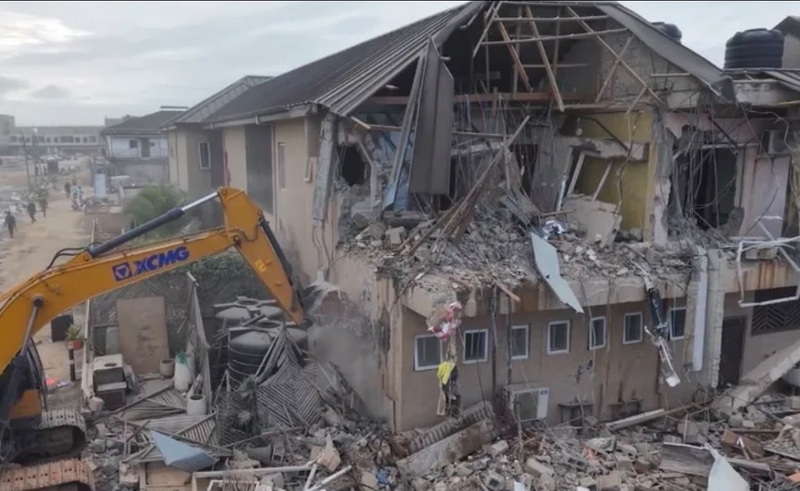

The Coalition of La Associations (COLA) has intensified pressure on government following two separate demolition operations that have left hundreds of business owners and thousands of workers without livelihoods in the La coastal community. In a strongly-worded statement, the group has demanded immediate, transparent compensation and accountability for what it describes as economically devastating exercises that destroyed homes, businesses and family incomes across the beachfront.
The demolitions occurred within weeks of each other: first at Laboma Beach Resort on 13th September 2026 as part of government's Post-Flood Mitigation Task Force operations aimed at restoring the Kpeshie Lagoon, and subsequently at La Pleasure Beach on 2nd October 2026. According to the Ghana Tourism Federation, the La Pleasure Beach demolition alone affected 85 businesses and put approximately 4,000 jobs at risk—many held by women entrepreneurs and small-scale traders who depended entirely on these coastal establishments for survival.
The human cost behind the development agenda
COLA's statement emphasises that behind each closed restaurant, bar or business sits a family facing genuine hardship. Many operators have lost decades-old enterprises with no clear pathway to recovery. The group points to practical realities: rent obligations, school fees, loan repayments and daily food security that cannot wait for a lengthy compensation process. Some affected vendors report receiving minimal notice before demolition, while others question whether the advance warning they received was sufficient to salvage equipment, stock or personal belongings.
The Coalition does not oppose environmental protection or flood mitigation—legitimate concerns given the Kpeshie Lagoon's ecological importance and flooding risks to surrounding communities. However, COLA argues that government has presented environmental protection and livelihood protection as mutually exclusive choices, when both should be achievable through proper planning and stakeholder engagement.
Why it matters for Ghana: balancing development with accountability
These demolitions highlight a recurring tension in Ghana's development narrative. Coastal protection, environmental restoration and infrastructure projects are necessary, but the human and economic impact on affected communities often receives secondary attention. The La case is particularly significant because it involves both environmental intervention (flood mitigation) and commercial development justifications, yet those caught in between—many of them micro and small entrepreneurs—lack adequate recourse.
The scale of job losses is substantial: 4,000 positions in one location alone represents significant economic disruption in a city already facing employment pressures. Women constitute a notable portion of affected workers, potentially deepening gender-based economic vulnerability. The lack of coordinated compensation across both demolition sites compounds the injustice, as COLA notes that a trader losing a restaurant at Laboma faces identical hardship to one affected at La Pleasure Beach, yet may be excluded from compensation schemes.
For Ghanaians generally, this case sets precedent for how government handles displacement caused by public projects. Clear, fair and transparent compensation mechanisms protect not only current victims but establish standards for future development exercises across the country.
COLA's specific demands
- Establishment of a fair, transparent and properly documented compensation process covering both Laboma Beach Resort and La Pleasure Beach
- Comprehensive assessment of destroyed structures, equipment, furniture, stock and business assets at both locations
- Consideration of livelihood disruption losses, not merely physical asset destruction
- Fair opportunity for affected persons to present permits, documents and evidence of ownership or investment, regardless of legal status disputes
- Immediate relief measures for small-scale traders, women and vulnerable workers who have lost primary income sources
- Greater stakeholder engagement and dialogue before undertaking major demolition operations affecting businesses
COLA's closing statement strikes at the heart of the matter: affected vendors are not requesting charity but fair assessment of losses and dignified treatment by responsible institutions. As Ghana continues to balance development imperatives with social protection, how government responds to this demand will signal whether public projects can proceed without leaving vulnerable communities stranded.
Source: MyJoyOnline





Comments (0)
Be the first to comment.