Kumasi cracks down on dirty neighbourhoods: KMA prosecutes 23 sanitation offenders in 'Samansaman' revival
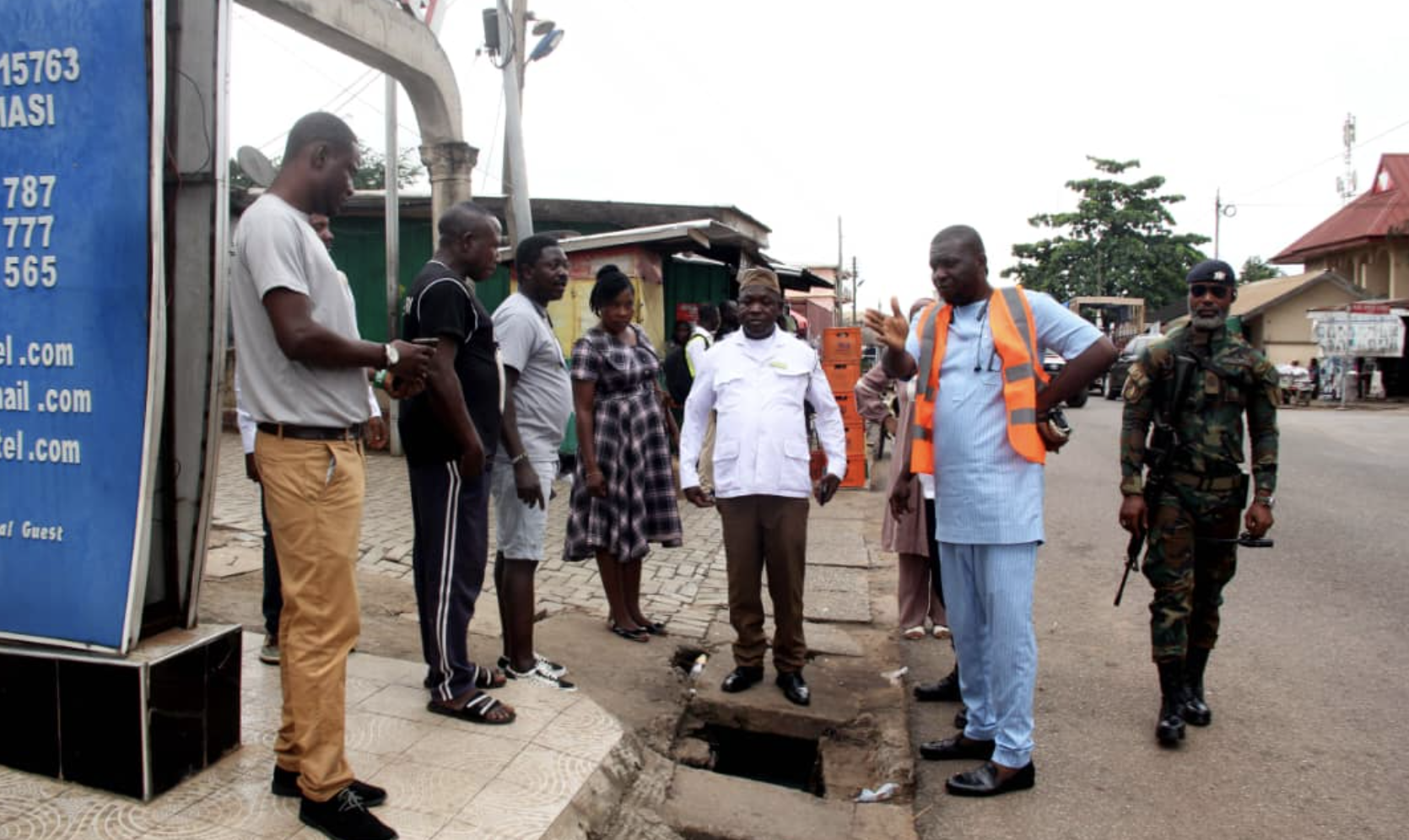
The Kumasi Metropolitan Assembly (KMA) has intensified its battle against poor sanitation practices, securing the conviction of 23 residents for various sanitation violations as part of a renewed drive to restore the city's status as a clean and safe urban centre.
The offenders, prosecuted through the Prempeh Assembly District Court, were fined between 100 and 140 penalty units—equivalent to GHS 1,200 to GHS 1,800—or face a 10-day custodial sentence in default of payment. All accused persons pleaded guilty to their respective charges when they appeared in court on 6 and 7 July.
The convictions mark a significant enforcement action led by Kwaku Poku, Head of KMA's Environmental Health Unit, during special sanitation operations conducted in the Dichemso area. The prosecutions are the first tangible outcomes of the Assembly's decision to revive the "Samansaman" system—a traditional community-based sanitary inspection regime that holds residents accountable for maintaining clean surroundings.
What is 'Samansaman' and why revive it?
The Samansaman system represents a return to traditional enforcement mechanisms that once kept communities vigilant about waste management and environmental cleanliness. Under this approach, designated inspectors conduct regular checks and penalise residents and households that breach sanitation standards, from improper waste disposal to poor compound maintenance.
According to KMA officials, the metropolitan area has experienced a worrying decline in sanitation standards over recent years. This deterioration has contributed to environmental hazards and public health risks. The revival of Samansaman is therefore positioned as a strategic intervention to reverse these trends and reinforce citizens' personal responsibility for their immediate environments.
Why it matters for Ghana
Kumasi's sanitation challenges reflect broader issues affecting major Ghanaian cities. Poor waste management, inadequate communal cleanliness, and lax enforcement of environmental regulations have become persistent problems in urban centres nationwide. The KMA's renewed enforcement approach offers a template for other metropolitan assemblies struggling with similar challenges.
Ghana's 2023 National Sanitation Strategy emphasises the role of local government in driving behaviour change and community participation in sanitation activities. The KMA's revival of the Samansaman exercise aligns with this framework, demonstrating how traditional compliance mechanisms can complement modern waste management infrastructure.
For residents, the enforcement action carries a clear message: sanitation violations will no longer be overlooked. The convictions also set precedent—potential offenders are now aware that breaches will result in prosecution and financial penalties or imprisonment.
The road ahead
The KMA has signalled that the Samansaman exercise will continue as a permanent feature of its environmental governance strategy. The Assembly aims to expand operations beyond Dichemso to other parts of the metropolis, suggesting that further arrests and prosecutions are likely.
The success of this initiative will depend on sustained political will, adequate resourcing of the Environmental Health Unit, and community buy-in. Residents will need to understand that the enforcement is not arbitrary punishment but part of collective effort to restore Kumasi's reputation as a clean, healthy city.
Source: MyJoyOnline
.jpg)

Comments (0)
Be the first to comment.