Jirapa Foundation Launch Signals Shift Toward Community-Led Development in Upper West
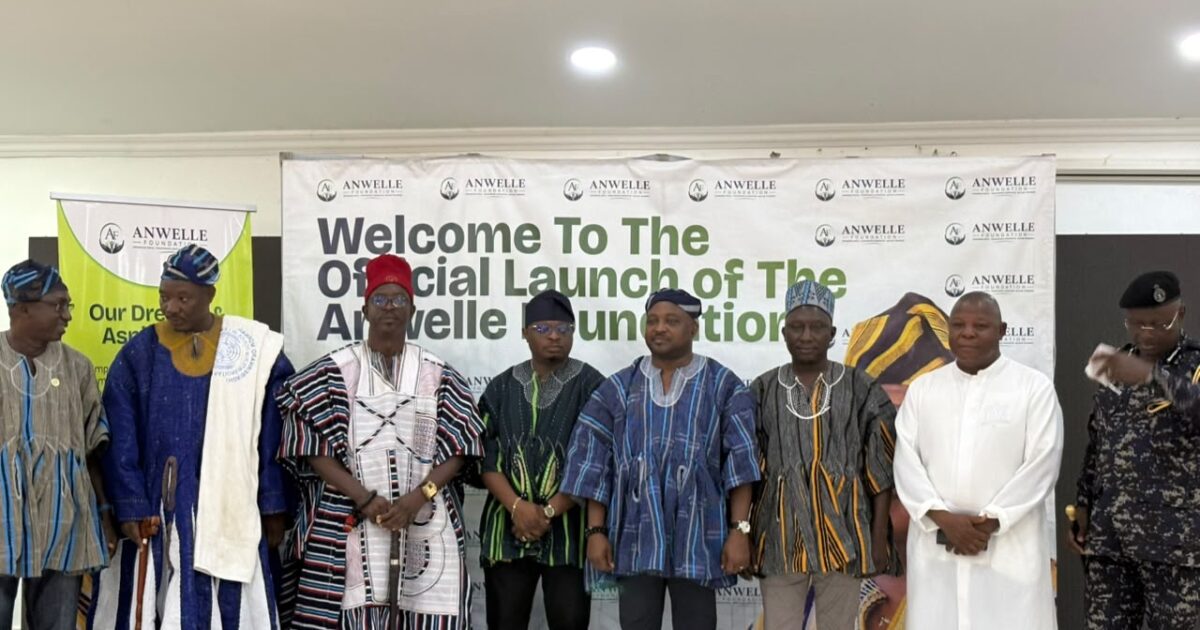
A new charitable foundation has been formally launched in Jirapa, Upper West Region, with calls for residents and diaspora members to take ownership of their community's development rather than waiting for state-led solutions. The Anwelle Foundation, established by Frank Anwelle, marks a significant grassroots response to resource gaps affecting rural Ghanaian communities.
At the launch, Paramount Chief Naa Di-Naa Donlabong III made an impassioned case for locally-driven development, emphasising that progress does not require waiting for central government action. "Development does not always have to begin from Accra," he stated, calling on the diaspora to channel capital, expertise and networks back home to address poverty and youth unemployment in the district.
The Anwelle Foundation's Focus Areas
The foundation operates across four strategic pillars: education, youth empowerment, sustainable livelihoods and rural development. Before its formal launch, it had already supported students affected by the Jirapa Senior High School dormitory fire, distributed sewing machines to vocational trainees and drilled boreholes to improve water access.
A flagship initiative under way is an automotive apprenticeship programme in partnership with industry operator Johani Annie. Selected young people from Jirapa will receive technical training at facilities in Tamale, Sunyani and Accra, with plans to establish a workshop in Jirapa thereafter to create employment for graduates.
Founder Frank Anwelle drew on his own journey to explain the foundation's mission. As a young man, he received educational support at a critical juncture; he recognised that many talented rural youth miss opportunities due to lack of information or financial backing. One beneficiary, Abdul Karim Hakim, a Computer Science graduate of the University for Development Studies, received full sponsorship—covering tuition, accommodation and living costs—after Anwelle encountered him working as a security guard in Accra to fund his studies.
Why It Matters for Ghana
The Anwelle Foundation exemplifies a broader trend of diaspora-led and community-driven development filling gaps where state resources are thin. Rural regions, particularly in northern Ghana, often lag in infrastructure, educational opportunity and livelihood diversification. Initiatives like this model how individual philanthropy, when structured and sustained, can address systemic challenges in education access and youth employment.
The foundation's launch also highlights tensions between tradition and modernity. The Paramount Chief defended the Jirapa Traditional Council's decision to confer a chieftaincy title on social media influencer Parrot Mouth, positioning it as necessary adaptation to modern communication tools. This reflects growing recognition that traditional institutions must engage digital platforms to amplify community narratives and attract investment.
Upper West Regional Minister Charles Lwanga Puozuing donated GH¢20,000 and encouraged integrated agricultural value chains to make farming more attractive to youth. However, he cautioned against excessive demands on the foundation, warning that unsustainable pressure could undermine its long-term viability. With over 200,000 natives in Jirapa, he noted, expectations must be realistic.
Sustainability and Scale Questions
The foundation's success will depend on sustaining donor commitment and managing community expectations. Its automotive training scheme and planned workshop offer a replicable model—combining skills transfer with localised employment creation. However, scaling such initiatives across rural Ghana requires both continued philanthropic investment and policy support from government to remove regulatory and infrastructural barriers.
The launch in Jirapa signals that development solutions need not originate from Accra. When combined with regional government support and traditional leadership endorsement, community-based foundations can address urgent needs in education, employment and infrastructure that state systems struggle to reach.
Source: MyJoyOnline



Comments (0)
Be the first to comment.