
Jasikan okada brawl leaves rider with critical skull wound; Korle Bu provides specialist care
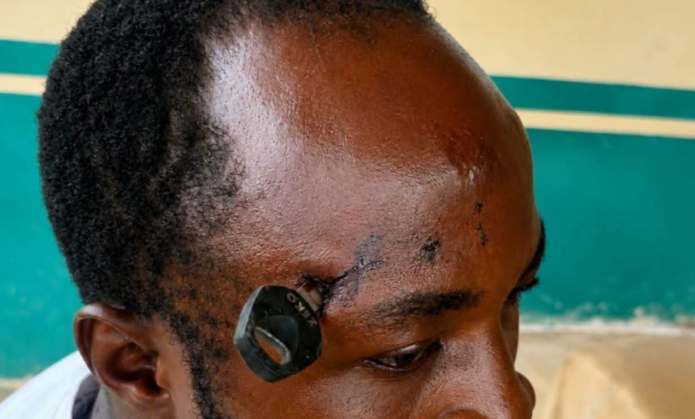

A commercial motorcycle rider is undergoing specialist treatment at Korle Bu Teaching Hospital following a brutal assault during a dispute between two okada drivers in Jasikan, Oti Region. The victim sustained a serious skull wound after being struck with a motorcycle key during an escalating confrontation that reportedly began over a passenger.
The incident unfolded when tensions flared between the two riders over a passenger dispute. According to accounts of the incident, the situation deteriorated rapidly when the victim attempted to intervene and mediate between the quarrelling drivers. In the chaos that followed, one of the riders allegedly weaponised a motorcycle key, striking the victim's skull with considerable force during the struggle.
Recognising the severity of the injury, responders transported the victim to a local health facility in Jasikan before determining that specialist intervention was required. He was subsequently referred to Korle Bu Teaching Hospital, Ghana's premier tertiary healthcare facility, for advanced treatment and management of the wound.
Rising tensions in the okada sector
This incident reflects escalating tensions within Ghana's commercial motorcycle transport sector, which has become increasingly vital to urban mobility in many regions but is also plagued by disputes over routes, passengers, and earnings. Okada riders, operating in a largely informal and unregulated space, often resort to violence when disagreements arise, leaving communities vulnerable and creating safety concerns for passengers and bystanders alike.
The use of everyday objects—in this case a motorcycle key—as weapons underscores how quickly casual disputes can turn life-threatening. The willingness to inflict such a serious injury over a single passenger raises questions about conflict resolution mechanisms within the sector and whether riders have adequate training in de-escalation or access to formal dispute-resolution channels.
Why it matters for Ghana
This incident in Jasikan carries broader implications for Ghana's transport infrastructure and public safety. Okada services are a critical lifeline for residents in towns and rural areas where other transport options are limited, yet the sector operates with minimal oversight or regulation. Violent clashes between riders not only endanger the riders themselves but also expose passengers and the public to harm.
The fact that this case required referral to Korle Bu—straining resources at the national teaching hospital—highlights how street violence affects the healthcare system. Additionally, such incidents underscore the need for stronger local authority intervention, better regulation of the okada sector, and community-based conflict resolution initiatives in regions like Oti.
The police investigation that authorities are expected to conduct will be crucial in determining culpability and setting a precedent for how such crimes are prosecuted. Whether the perpetrator faces charges related to assault causing harm or attempted murder will signal to the okada community the seriousness with which the state treats violence in the sector.
- Authorities must also consider whether Jasikan and neighbouring communities require targeted interventions—such as police presence at popular okada stations or driver training programmes—to prevent further escalations.
- Healthcare providers and law enforcement should coordinate to track patterns of okada-related violence, which could inform broader policy responses.
As okada services become increasingly central to Ghana's transport ecosystem, stakeholders must work together to ensure the sector operates safely and without resorting to violence when disputes arise.
Source: The Ghana Report


Comments (0)
Be the first to comment.