Indonesia's wildfire crisis: 175,000 respiratory cases and lessons for West Africa's dry season
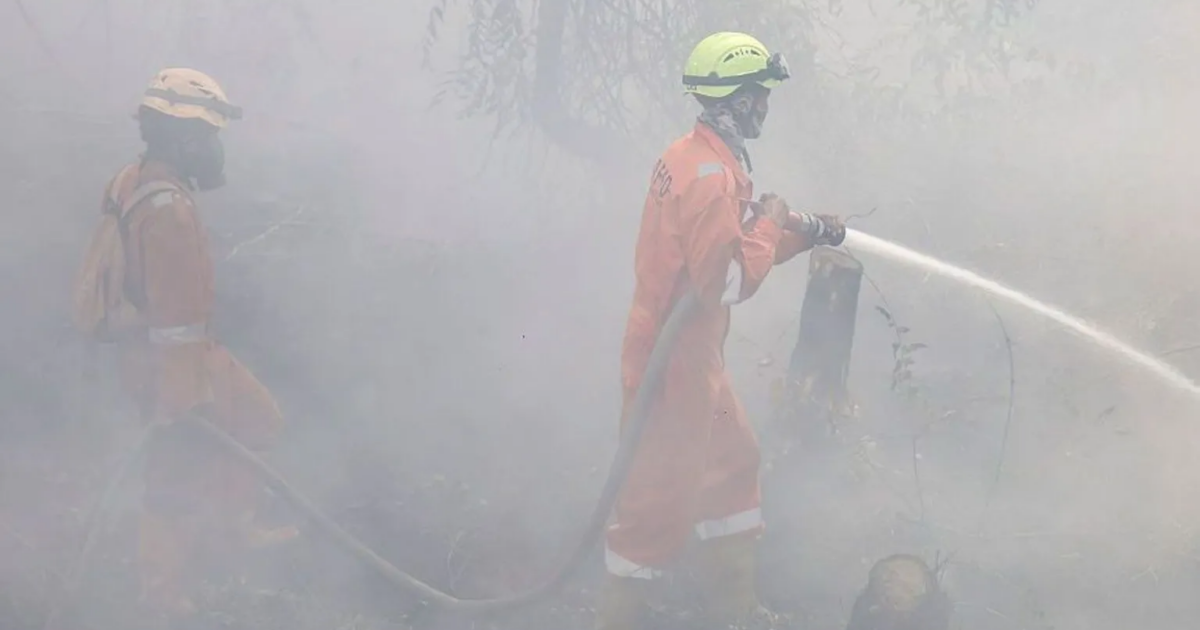
Indonesia is facing a public health emergency as wildfires have triggered over 175,000 respiratory illness cases since August, according to its health ministry. The scale of the crisis underscores the serious health consequences of uncontrolled land fires—a problem that resonates across Africa, where countries including Ghana experience seasonal burning and haze.
The respiratory cases range from mild coughs to severe conditions like bronchitis and pneumonia. Alarmingly, more than 40,000 cases involve toddlers, highlighting the vulnerability of young children to air pollution. The fires have blanketed Indonesia, Malaysia and Singapore in toxic smog, pushing air quality indices into dangerous "unhealthy" territory and forcing school closures and overwhelming hospital admissions across the region.
Scale of the Indonesian disaster
Indonesia has deployed over 54,000 officials and dozens of water-bombing jets to Borneo and Sumatra in an attempt to contain the fires, yet the scale remains staggering. The independent Nusantara Atlas monitoring platform detected around 734,000 hotspots across Indonesia as of Wednesday—more than 30% higher than 2019, widely considered one of Indonesia's worst wildfire seasons. Since January, nearly 896,000 hectares have burned, an area almost six times the size of Greater London.
The crisis has been turbocharged by what meteorologists call a "Godzilla" El Niño, which has created extremely dry conditions across Southeast Asia. Indonesia's annual dry season typically runs from July to October, but this year's severity has been exceptional.
Environmental and wildlife toll
Beyond human health, the fires are devastating wildlife. Critically endangered orangutans have been among the casualties. In one widely reported incident, a rescued orangutan suffering from hypoxia (oxygen deprivation) died despite emergency treatment after being found on a West Kalimantan palm oil plantation.
Why it matters for Ghana and West Africa
While Ghana does not face the same scale of wildfire emergency, the Indonesian crisis carries important lessons. Ghana experiences its own dry seasons and occasional burning of agricultural and forest areas, particularly in northern regions. The respiratory health impacts documented in Indonesia—affecting children especially—demonstrate how air quality during burning seasons can overwhelm healthcare systems.
Additionally, Ghana's proximity to the Sahara means residents already experience harmattan winds carrying dust particles that reduce air quality from December through March. The combination of natural dust and human-caused burning can compound respiratory problems. Health authorities and environmental agencies in Ghana should monitor how Indonesia manages this crisis and consider whether similar public health warnings and preventive measures could be implemented locally during high-risk burning periods.
The Indonesian experience also raises questions about climate vulnerability across the tropics. El Niño conditions that triggered Indonesia's fires can affect rainfall patterns globally, including in West Africa. Ghana's healthcare system, already under strain in many regions, would benefit from preparedness planning for potential air quality emergencies during severe dry seasons.
Indonesia's Cabinet Secretary Teddy Indra Wijaya stated that "everything is being done to extinguish the fires, reduce the impact of the smoke, and, most importantly, protect the public." Yet the scale of the challenge—with hotspots scattered across vast, difficult-to-reach peatland areas—shows that even coordinated national efforts struggle against large-scale wildfires during extreme climate conditions.
Source: MyJoyOnline



Comments (0)
Be the first to comment.