IGP calls on faith leaders to bridge religious divide as Ghana grapples with mounting tensions

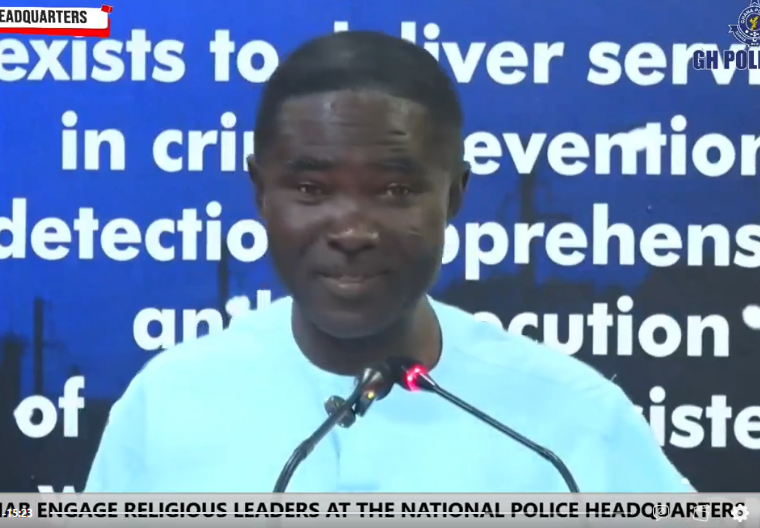
Ghana's Inspector-General of Police, Christian Tetteh Yohunu, has made an urgent appeal to religious leaders across the country to take active steps in calming escalating tensions between Christian and Muslim communities, warning that continued friction threatens national stability and social cohesion.
The call comes at a time when Ghana, long celebrated as a beacon of religious tolerance in West Africa, faces growing incidents of sectarian provocations and heated rhetoric that risk undermining the peaceful coexistence the nation has historically maintained.
Police chief's appeal for unified response
IGP Yohunu has specifically urged both Christian and Muslim faith leaders to reaffirm their commitment to foundational principles of peace, tolerance and respect for the rule of law. The appeal signals deep concern within Ghana's security apparatus about the potential for religious discord to spiral into organised violence if left unchecked.
The IGP's intervention underscores the critical role religious institutions play in either moderating or inflaming public sentiment. As custodians of moral authority within their communities, church leaders, imams and other faith figures wield significant influence over congregants' attitudes and behaviour during periods of heightened social tension.
Why it matters for Ghana
Ghana has long prided itself on religious harmony uncommon in the West African region. However, the rise of inflammatory speech—whether deliberate religious insults or provocative sermons—has begun testing this fragile equilibrium. Several documented incidents in recent years have shown how quickly sectarian tensions can mobilise supporters and create cycles of retaliation.
For a nation where Christians comprise approximately 70% of the population and Muslims roughly 20%, with both communities deeply embedded across all regions and social strata, religious conflict poses existential risks to business, education and public safety. Markets have been disrupted, schools threatened and neighbourhoods polarised by even minor incidents blown out of proportion through social media amplification.
The police leadership's public statement serves multiple purposes: it signals to potential troublemakers that security agencies are monitoring sectarian activity; it appeals to mainstream religious leaders to actively use their platforms to counsel restraint; and it reinforces the state's expectation that citizens resolve differences through dialogue rather than confrontation.
Building lasting peace through dialogue
Addressing Ghana's religious tensions requires sustained engagement beyond police appeals alone. The most effective interventions involve direct dialogue between Christian and Muslim leadership, joint public statements condemning violence, interfaith committees working at community level, and media responsible reporting that avoids amplifying inflammatory rhetoric.
Religious leaders also bear responsibility for educating followers about the distinction between legitimate theological disagreement and personal attacks. Insults targeting someone's faith can feel deeply offensive but should not justify violent retaliation or collective punishment of entire communities.
Ghana's success in maintaining religious peace through previous decades offers a template: respect for diversity, strong institutional safeguards, active community engagement and leadership willing to condemn both violence and hate speech regardless of source. The IGP's call is a timely reminder that this peace requires constant tending.
Source: 3News


Comments (0)
Be the first to comment.