Diaspora Zongo Youth condemn unlawful assault on arrested pastor at police facility
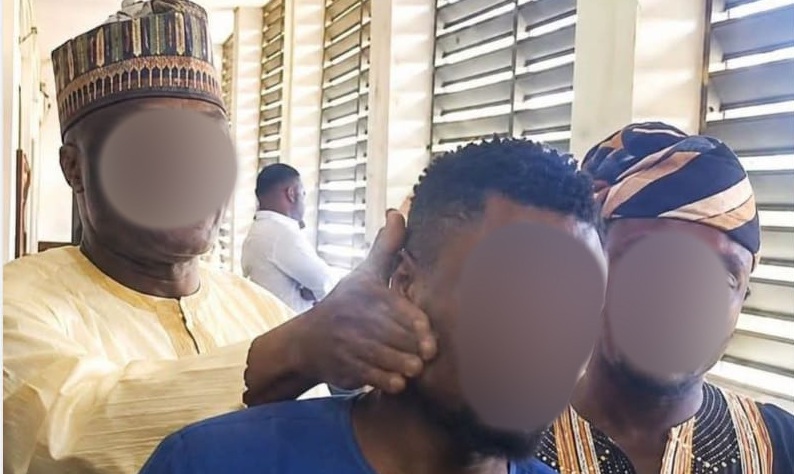
The Zongo Youth of the Diaspora has strongly condemned the assault of Apostle Daniel Junior Yaw Adjei at a police facility, raising serious concerns about security protocols and the rule of law within Ghana's law enforcement apparatus.
A video circulating online captured Sibamay Zakaria slapping the pastor, who had been detained by the National Signals Bureau and the Police Cyber Vetting and Enforcement Team over alleged inflammatory comments about Islam. The incident has sparked debate about due process, police accountability, and the handling of religiously sensitive cases in Ghana.
Questions over police security and due process
Al-Asbat Sidi, Public Relations Officer of the Zongo Youth of the Diaspora, expressed bewilderment at how an unauthorised individual managed to enter the Criminal Investigation Department headquarters and physically assault someone in police custody. Speaking on Kuro Yi Mu Nsem, a radio programme on Nhyira FM in Kumasi, Mr Sidi demanded answers from law enforcement officers present during the incident.
"I don't even understand how and under which authority he barged into the CID headquarters to interrogate the pastor, not to mention slapping him," he stated, calling for immediate investigation into the breach of security and the chain of command that allowed the assault to occur.
Mr Sidi further insisted that the officers on duty at the time must face questioning for their failure to prevent the unlawful action. He argued that permitting a civilian to access a police facility and physically assault a detainee undermines the integrity of Ghana's criminal justice system and raises troubling questions about whether similar incidents have occurred undetected.
Religious tensions and the need for responsible discourse
The arrest of both Apostle Adjei and 35-year-old Imam Masud Abdullah on Wednesday, 12 August, for separate inciteful comments reflects growing tensions around religious speech in Ghana. Mr Sidi, however, offered nuanced support for the arrests themselves, framing them not as capitulation to pressure but as necessary action to uphold standards of public responsibility.
"The arrest should not be viewed as an attempt to appease angry Muslims, but rather as a step towards maintaining peace and responsibility in Ghana's media space," he explained. He warned that unguarded and provocative comments about religion risk inflaming communal tensions if left unchecked, and emphasised that such matters must be addressed through lawful channels rather than vigilantism.
Why it matters for Ghana
This incident encapsulates multiple challenges facing Ghana's approach to religious harmony and the rule of law. First, it highlights the delicate balance between protecting religious sentiments and safeguarding free expression—a tension that continues to test Ghana's democratic institutions. Second, the breach of police security raises urgent questions about accountability and training within law enforcement. Third, it underscores the broader risk that when citizens feel religious grievances are not adequately addressed through official channels, they may resort to extrajudicial action.
Ghana has long prided itself on religious tolerance relative to other West African countries, but recent incidents suggest this stability cannot be taken for granted. The Zongo Youth of the Diaspora's insistence on lawful processes—from arrest through trial—reflects a commitment to resolving these tensions through institutional means rather than mob action. Sibamay Zakaria now faces arrest and arraignment for assault, a development that will test whether Ghana's justice system can hold both religious provocateurs and those who respond with violence equally accountable.
Source: MyJoyOnline


Comments (0)
Be the first to comment.