
Hiplife Trinity Reunion Sparks Debate: Is Ghana Doing Enough to Celebrate Its Music Legends?
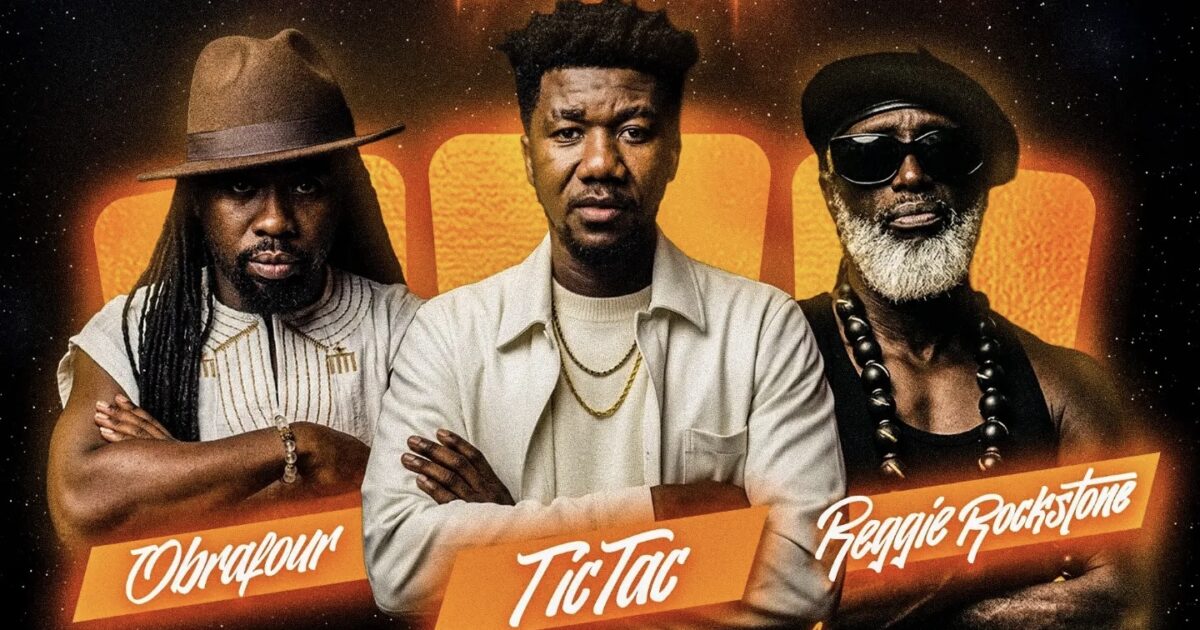

When Reggie Rockstone, Obrafour and Tic Tac shared a stage together recently, they did more than trigger a wave of nostalgia among Ghanaian music lovers. They exposed a glaring gap in the country's entertainment landscape — the absence of a consistent, well-supported platform dedicated to celebrating the legends who built Ghana's music industry from the ground up.
Three artists, one defining era
To understand why this reunion resonated so deeply, you have to appreciate what each of these three artists represents in the story of Hiplife. Reggie Rockstone, widely recognised as the Godfather of Hiplife, broke new ground by demonstrating that rap could be performed powerfully in Ghanaian indigenous languages, blending hip-hop with local culture in a way that felt both fresh and authentically Ghanaian.
Obrafour brought a different dimension entirely. His lyrical depth, masterful use of Akan proverbs and gift for storytelling elevated Hiplife into something far beyond mere entertainment. His landmark album Pae Mu Ka remains one of the most celebrated bodies of work in Ghanaian music history, a record that still commands respect across generations.
Tic Tac, meanwhile, was the people's entertainer. With infectious energy, memorable hooks and an instinct for what made audiences move, he broadened Hiplife's commercial appeal and brought the genre to living rooms, marketplaces and dance floors across the country. Tracks like Philomena and Kangaroo became part of the Ghanaian cultural fabric in a way few songs manage.
Together, the three do not just represent personal achievements — they map the full arc of a genre that defined a generation and laid the foundation for the Afrobeats and Afropop sounds Ghana exports to the world today.
Why it matters for Ghana
Ghana has a rich and varied musical heritage, but the country has historically struggled to create lasting institutional support for its veteran artists. The Back in the Day Concert was one of the more successful attempts at filling this void, offering audiences the chance to relive classic music and reconnect with the artists who shaped their childhoods. Yet even that platform failed to sustain itself as a regular fixture on the entertainment calendar — a loss that is felt more keenly each time a reunion like this one reminds people of what is missing.
The business case for investing in legacy concerts is compelling. Well-organised events headlined by established veterans can generate significant ticket revenue, attract corporate sponsorships and create mentorship opportunities by placing younger artists alongside their musical predecessors. More importantly, they serve a cultural function — preserving Ghana's musical heritage and ensuring that younger audiences, particularly Gen Z fans who may know today's stars but not yesterday's pioneers, understand the foundations on which the current industry was built.
There is also something to be said about the culture of solidarity among artists. Recent concerts by younger acts have demonstrated the power of bringing multiple performers together on a single platform to build excitement and reward fans. Veterans deserve the same treatment. Imagine a concert built around artists like Tinny, Kwaw Kese, Samini, Edem, Mzbel or K.K. Fosu sharing one stage — the appetite for such an event is clearly there.
What needs to happen next
The Hiplife Trinity reunion should not be remembered as a pleasant one-off moment. It should serve as a blueprint and a provocation. Event organisers, corporate sponsors, the Ghana Music Commission and industry stakeholders all have a role to play in turning isolated reunions into a regular cultural celebration.
- Dedicated legacy concert series, modelled on successful formats from other markets, could be anchored to national celebrations or the entertainment calendar.
- Streaming platforms and media houses could document and distribute these performances, extending their reach beyond those in the room.
- Younger artists and their management teams could formalise mentorship and collaboration links with veterans, enriching the industry at every level.
Ghana's music legends are still here, still relevant and still capable of commanding a crowd. The music endures, the audience is willing and the business opportunity is real. What is needed now is the will to make celebrating these icons a sustained cultural priority — not something that happens by accident every few years, but something Ghana plans for, invests in and takes pride in. The Hiplife Trinity has shown us what is possible. The rest is up to the industry.
Source: MyJoyOnline



Comments (0)
Be the first to comment.