Hakeem Kae-Kazim On African Storytelling: Why Cape Town Matters More Than A Film Set
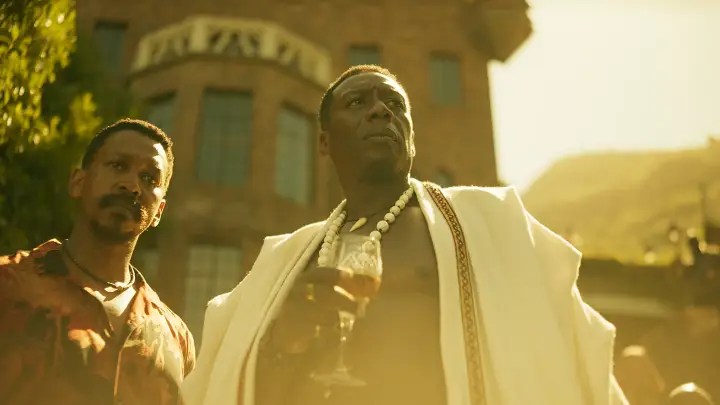
British-Nigerian actor Hakeem Kae-Kazim has joined the cast of Paramount+'s Average Joe Season 2, a comedy thriller-drama that premiered on 19 August. Playing Sipho, a formidable Cape Town gangster, Kae-Kazim views the role as part of a larger mission to reshape how African stories and settings are represented in global media—a concern that resonates deeply with Ghanaian audiences who have long watched their continent reduced to backdrop in international productions.
The series follows Joe Washington (played by Deon Cole), an ordinary man whose life spirals into danger after colliding with the criminal underworld. Kae-Kazim's Sipho is a local kingpin whose territory becomes disrupted by the central characters' arrival. But beyond the plot mechanics, the actor emphasises that Average Joe treats Cape Town itself as a fully realised character rather than mere scenery.
"Cape Town is actually a character within it," Kae-Kazim explained. "You see Cape Town for what it is. They've come using Cape Town as a character, not as a backdrop. That gives it a really wonderful, different sort of sense and life."
Creating Depth Behind The Gangster Stereotype
Rather than playing a one-dimensional criminal, Kae-Kazim approached Sipho by excavating the psychology and trauma that shaped him. This deliberate choice to humanise a "villain" reflects a broader philosophy about African character work—rejecting caricature in favour of authentic complexity.
"He's not the nicest of characters, but also he has a backstory, which for me just helped me get into him in terms of understanding why he was the way he was," Kae-Kazim said. His process involved examining Sipho's childhood, past trauma, and the circumstances that transformed him into a "man monster," as he described it.
The balancing act proved challenging. "He does big, big, grand gestures, and trying not to go over the top and be farcical, and just giving him that reality and that depth," Kae-Kazim explained. The show itself blends genres—mixing violence, action and comedy—a combination he found refreshing and rarely attempted in international productions.
Why This Matters For Ghana And African Representation
Kae-Kazim's observations touch on a decades-long problem for African audiences: international productions have typically used African cities as exotic visual backdrops whilst ignoring the lived reality of the people who inhabit them. Average Joe departs from this pattern by showing Cape Town's full complexity—townships alongside wealthier areas, beaches beside sites of poverty, the city's stunning natural beauty interwoven with its social challenges.
"It has the beauty plus the pain. It has the townships, the poverty, but it also has wealth and richness," Kae-Kazim noted. For Ghanaians watching international films and series, this approach represents a significant shift. Too often, Accra, Kumasi and other Ghanaian cities appear in global productions either as crime-ridden locations or impoverished settings, stripped of nuance. Kae-Kazim's insistence that productions should embrace African cities "culturally as well as visually and aesthetically" directly challenges that reductive representation.
The actor also emphasised that the production team "embraced the whole idea of South Africa," treating the country as central to the narrative rather than incidental. This philosophy—that African settings and characters deserve the same depth and dignity afforded to European or American locations—remains a critical conversation for Ghanaian creatives and audiences who have been marginalised in global storytelling for generations.
For Kae-Kazim, roles like Sipho are stepping stones toward a larger goal: ensuring that African history, stories, and contemporary life are told with the complexity and respect they deserve on international screens. As Ghana's own film and television industries grow, understanding how international productions should centre African narratives becomes increasingly relevant to local creators seeking global platforms.
Source: Ameyaw Debrah




Comments (0)
Be the first to comment.