GRIDCo issues final warning to illegal occupants of power transmission corridors

The Ghana Grid Company Limited (GRIDCo) has issued a strict ultimatum to individuals and businesses illegally occupying transmission line corridors across Ghana, giving them just one month to clear the protected areas or face enforcement action. The directive targets encroachers on the company's Rights-of-Way (ROW)—designated safety zones essential for maintaining the nation's electrical infrastructure.
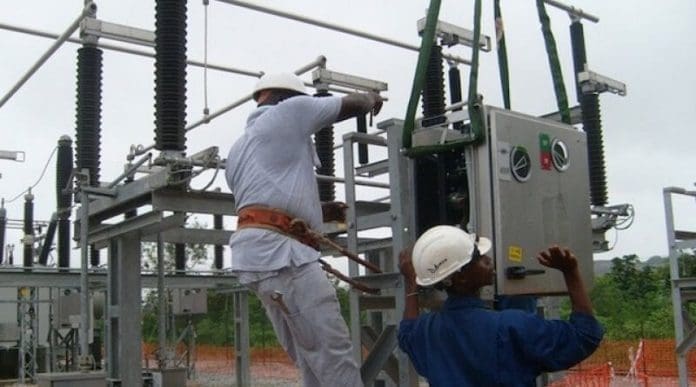
This crackdown underscores mounting concerns about infrastructure safety and grid reliability in Ghana. Unauthorised structures, agricultural activities, and commercial establishments built within transmission corridors pose serious risks: they obstruct maintenance access, create fire hazards, and increase the likelihood of electrocution. Such encroachments also complicate GRIDCo's ability to respond quickly to faults and carry out necessary upgrades to the national power system.
Why it matters for Ghana
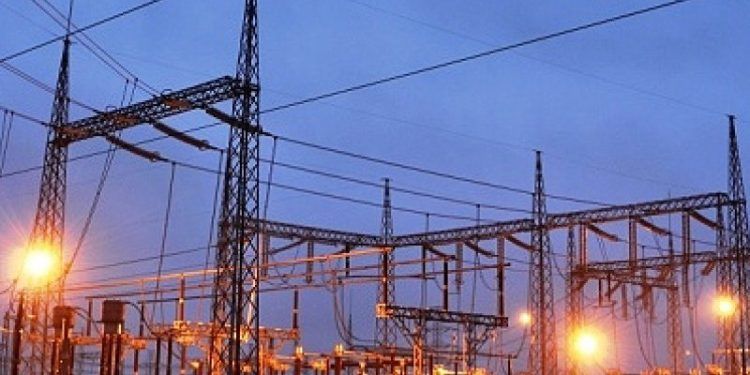
Ghana's electricity network is critical to the nation's economic development and energy security. Uncontrolled encroachment on transmission corridors directly undermines grid stability and increases operational costs. When unauthorised structures occupy these zones, GRIDCo faces delays in maintenance and repairs, potentially leading to prolonged power outages that affect businesses, hospitals, schools and homes across the country.
For ordinary Ghanaians, the consequences are tangible: frequent blackouts disrupt daily life, harm small businesses, and strain healthcare facilities dependent on reliable power. For the broader economy, grid instability deters investment and raises energy costs. GRIDCo's enforcement action, therefore, is not merely bureaucratic procedure but a necessary step to protect the infrastructure millions depend on.
The one-month deadline also reflects GRIDCo's commitment to balance enforcement with fairness, giving occupants reasonable time to relocate before penalties apply. However, history shows that property owners and businesses sometimes resist such orders, potentially prolonging disputes and complicating implementation.
What comes next
After the 30-day window expires, GRIDCo is expected to deploy enforcement teams to physically remove structures and restore corridors to operational condition. The company may pursue legal action against those who refuse to comply, though the effectiveness of such measures depends on coordination with local authorities and the judiciary.
Property owners and businesses currently occupying transmission corridors should treat this ultimatum seriously. Documentation of the notice and demonstration of good-faith relocation efforts may prove important if disputes arise. Those uncertain about whether their properties fall within protected zones should contact GRIDCo directly for clarification before the deadline.
The broader challenge for Ghana remains preventing future encroachment. Without sustained community education about the dangers of transmission line corridors and stronger coordination between GRIDCo, urban planning authorities, and local governments, encroachment is likely to recur. Long-term solutions must address the underlying drivers—often land scarcity in urban areas and limited enforcement capacity—that encourage people to occupy protected spaces in the first place.
Source: 3News

Comments (0)
Be the first to comment.