
Government Weighs Ban on Sending Ghanaian Domestic Workers to Iraq After Brutal Assault Video Goes Viral


Ghana's Ministry of Foreign Affairs is weighing a temporary ban on the recruitment of Ghanaian domestic workers to Iraq, following public outrage sparked by a disturbing video that surfaced online showing a Ghanaian woman being violently assaulted by her employer in the country. The footage, which circulated widely on social media, has reignited concerns about the safety and welfare of Ghanaian migrants working in households abroad — particularly in parts of the Middle East and Western Asia.
What We Know So Far
The Ministry of Foreign Affairs confirmed it is actively considering a moratorium — essentially a temporary suspension — on the recruitment of Ghanaian domestic workers heading to Iraq. While full details of the incident are still emerging, the viral video reportedly shows a Ghanaian woman suffering physical abuse at the hands of an employer, drawing swift condemnation from Ghanaians both at home and in the diaspora.
A moratorium of this nature would not be unprecedented. Ghana and several other African nations have, at various points, imposed similar bans or restrictions on labour migration to countries in the Gulf and Middle East regions where reports of worker abuse have been documented. The move would signal a more assertive stance by Accra in protecting citizens who seek livelihoods abroad.
Why It Matters for Ghana
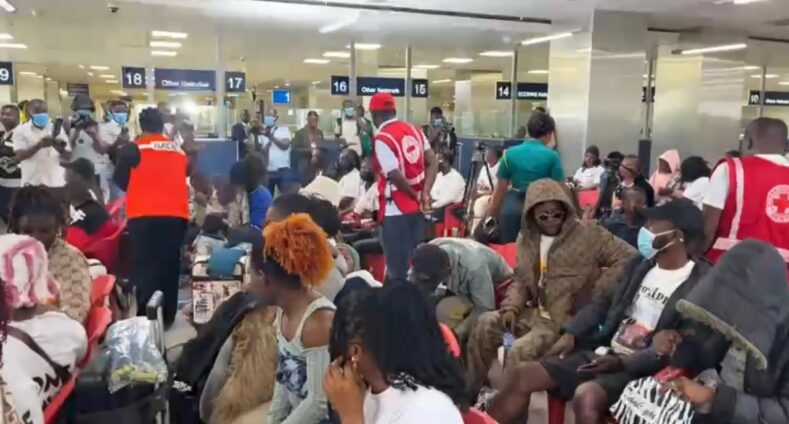
Labour migration is a significant economic and social reality for many Ghanaian families. Thousands of Ghanaians — a disproportionate number of them women — travel to countries in the Middle East and beyond each year to work as domestic helpers, caregivers and cleaners, often sending remittances back home that support households and local communities.
However, this pathway has long been fraught with risk. Domestic workers in private households are among the most vulnerable categories of migrants globally. They frequently have limited legal protections, restricted movement, and little access to their home country's consular services when things go wrong. Language barriers, visa conditions that tie workers to specific employers, and weak enforcement of labour laws in host countries can leave workers with almost no recourse when they face exploitation or abuse.
Ghana has a framework in place through the Ministry of Employment and Labour Relations and agencies such as the Ghana Immigration Service to regulate overseas recruitment. But critics have long argued that enforcement remains inconsistent, and that many workers are recruited through informal or unlicensed channels that offer no safety net whatsoever.
- Remittances matter: Ghana consistently ranks among African countries with significant remittance inflows, making overseas labour a critical economic lifeline for many families.
- Domestic workers are especially at risk: Unlike workers in formal settings, those in private homes have minimal visibility to authorities and limited ability to report abuse.
- Regional precedent exists: Other African governments, including those of Kenya, Uganda and Ethiopia, have previously suspended or banned labour migration to certain Middle Eastern countries following similar abuse scandals.
What Happens Next
It remains to be seen whether the government will formalise the moratorium, and if so, how long it would last and what conditions would need to be met before recruitment resumes. Advocates for migrant workers are likely to push for more than a temporary ban — calling instead for stronger bilateral agreements with destination countries, mandatory pre-departure training and orientation, and clearer mechanisms for Ghanaians in distress abroad to access help quickly.
The Ministry of Foreign Affairs has not yet announced a definitive timeline for its decision. Ghanaians and civil society groups will be watching closely to see whether this moment of outrage translates into lasting policy reform, or whether it fades once the viral video recedes from public memory. For the woman at the centre of the video, and for the many Ghanaians working in similar conditions abroad, the stakes could not be higher.
Source: 3News


Comments (0)
Be the first to comment.