
GJA Warns Poor Pay Is Turning Journalists Into Prey for Undue Influence
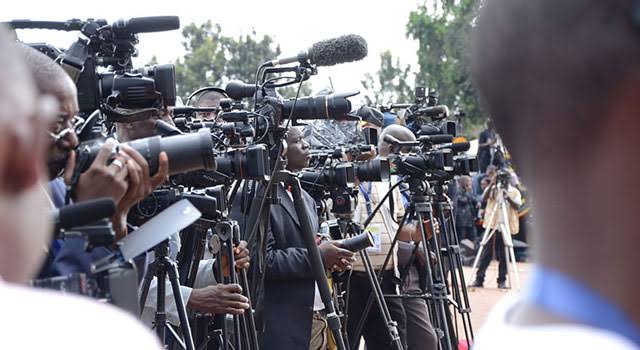

The Ghana Journalists Association (GJA) has issued a stark warning: until journalists are paid fairly and given secure working conditions, the country's media freedom and democratic health will remain at serious risk. The call came at the 30th GJA Media Awards held in Accra, where GJA President Albert Dwumfour laid out the uncomfortable truth that underpins Ghanaian journalism — many practitioners are working in conditions that make professional compromise almost inevitable.
A Profession Under Pressure
Mr Dwumfour painted a candid picture of the challenges confronting journalists across the country. He listed poor remuneration, insecure employment, irregular salary payments, inadequate conditions of service, and limited opportunities for professional development as persistent problems that have long plagued the industry.
His central argument was direct: a journalist who cannot pay rent or put food on the table is a journalist who is vulnerable. "Poor remuneration, insecure employment, inadequate conditions of service, irregular salaries, and limited opportunities for professional development continue to undermine the dignity and independence of journalists," he said.
The GJA President was equally candid about the contradiction at the heart of media accountability. He argued that the industry cannot demand courageous, ethical and independent reporting while simultaneously turning a blind eye to the economic realities that push practitioners towards compromise. "Those who dedicate their lives to informing society, holding power accountable, and defending the public interest deserve decent working conditions and a dignified standard of living," he stated.
Why It Matters for Ghana
Ghana has long been regarded as one of Africa's leading examples of press freedom, consistently ranking among the continent's top performers on global media indices. That reputation, however, rests heavily on the individual courage and professionalism of journalists who often operate without adequate institutional or financial support.
When journalists are underpaid or face irregular salaries, the pressure to accept gifts, favours or payments in exchange for favourable coverage — a practice sometimes referred to locally as "soli" — becomes harder to resist. This dynamic does not just affect individual reporters; it corrodes public trust in the media as a whole and weakens the watchdog role that a free press is supposed to play in a democracy.
Ghana's democracy depends on credible journalism to scrutinise government, expose corruption and amplify the voices of ordinary citizens. If the people doing that work are financially desperate, the quality and independence of that journalism suffers — and so does the public's ability to make informed decisions.
Mr Dwumfour framed the issue in terms that go beyond a simple labour dispute: "Improving journalist welfare is therefore not simply a labour issue. It is an investment in media independence, professional integrity and the quality of our democracy."
What the GJA Is Doing About It
The Association is not simply raising the alarm — it is actively seeking structural solutions. The GJA has intensified engagement with Parliament, pushing for legislative intervention that would set enforceable standards for journalists' conditions of service.
Beyond Parliament, the Association is working to bring together media owners and labour stakeholders to build a comprehensive framework addressing remuneration, job security and overall welfare for media practitioners. This multi-stakeholder approach signals a recognition that no single actor — not government, not media houses, not the GJA itself — can solve the problem alone.
Whether these engagements lead to binding change will depend on the willingness of media owners and lawmakers to treat journalist welfare as the democratic priority the GJA insists it is. For now, the message from Accra is clear: Ghana cannot have a free press on the cheap.
Source: MyJoyOnline



Comments (0)
Be the first to comment.