
Ghanaian Men Face Higher Prostate Cancer Risk: What You Need to Know About Early Detection


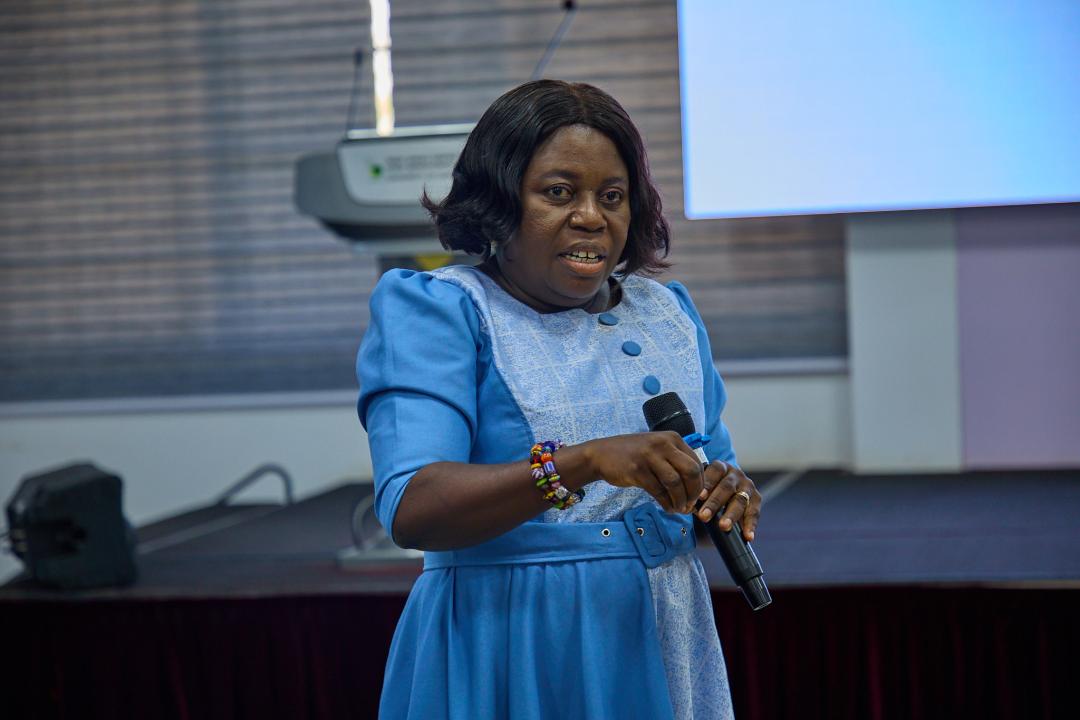
Ghanaian men face a disproportionately high risk of developing prostate cancer compared to other populations, with health professionals urging early and regular testing as a critical preventive measure. Dr Amoah has highlighted that men of African descent, including Ghanaians, are particularly vulnerable to this disease, making awareness and screening essential components of healthcare for the male population.
The urgency of this message stems from a sobering reality: prostate cancer detected in its early stages is highly treatable and often curable. However, many Ghanaian men remain unaware of their elevated risk or the importance of screening, leading to late-stage diagnoses that significantly reduce treatment success rates and survival prospects.
Why Early Detection Saves Lives
Prostate cancer progresses differently in different men. In its earliest stages, when the cancer remains confined to the prostate gland, treatment options are more effective and outcomes are considerably better. Advanced stages of the disease, by contrast, present far greater clinical challenges and lower survival rates.
Early detection through regular screening allows doctors to identify abnormalities before symptoms develop. This is particularly important because prostate cancer often produces no noticeable symptoms in its early phases. By the time men experience pain, difficulty urinating, or other warning signs, the cancer may already have progressed significantly.
Treatment options for early-stage prostate cancer are also more diverse and less invasive. Men diagnosed early may benefit from targeted interventions that preserve quality of life whilst effectively managing the disease.
Why It Matters for Ghana
African and African-diaspora populations consistently show higher incidence rates and more aggressive forms of prostate cancer compared to other ethnic groups. This biological reality means Ghanaian men cannot rely on generalised screening guidelines developed for populations with lower risk profiles.
Despite these health disparities, many Ghanaian men lack access to regular screening programmes or may avoid testing due to cultural stigma, embarrassment, or limited awareness. Public health campaigns in Ghana have historically prioritised other conditions, leaving a significant gap in prostate cancer education and prevention initiatives.
The economic burden of late-stage prostate cancer treatment places strain on both individual households and Ghana's healthcare system. Early detection represents a cost-effective public health strategy that could reduce both mortality rates and the financial impact of advanced cancer treatment.
Taking Action: What Ghanaian Men Should Do
- Know your risk: Men of African descent, including all Ghanaian men, should be particularly vigilant about prostate health from midlife onwards
- Discuss screening with your doctor: Speak to a healthcare provider about whether prostate screening is appropriate for you, considering your age and family history
- Don't ignore symptoms: Seek medical attention if you experience changes in urination patterns, erectile dysfunction, or persistent back or hip pain
- Spread awareness: Share this information with family members and friends to encourage a culture of health consciousness within communities
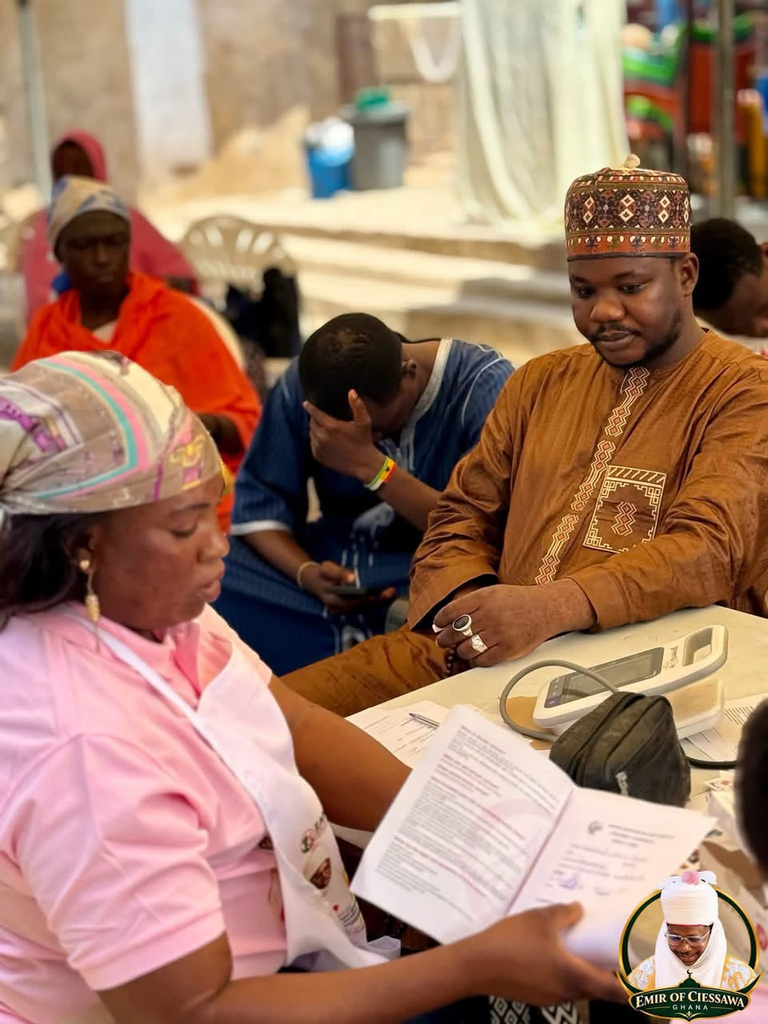
For Ghanaian men, prostate cancer screening is not a luxury but a necessary health priority. Whether through routine check-ups, blood tests, or digital rectal examinations, taking steps to monitor prostate health today could quite literally save your life tomorrow.
Source: 3News


Comments (0)
Be the first to comment.