Early Detection and Regular Testing: What Ghanaian Women Need to Know About Sexual Health
Dismissing mild symptoms as temporary inconveniences is a common mistake that can have serious health consequences. A first-hand account shared recently illustrates why early detection of sexually transmitted infections (STIs) matters significantly for Ghanaians seeking to protect their health and that of their partners.
The narrative reveals a pattern many people recognise: noticing unusual discharge, discomfort, or persistent fatigue, but assuming these signs will pass without medical intervention. This delay in seeking help not only prolonged the person's worry but also created uncertainty about transmission risks to partners and when professional care was actually necessary.
The Silent Nature of Many STIs
A critical lesson from this account is that many sexually transmitted infections produce no symptoms at all, or symptoms so mild they are easy to overlook. This makes routine testing far more reliable than waiting for obvious signs. Many Ghanaians may carry infections without knowing, risking unknowing transmission to partners and allowing conditions to develop undetected.
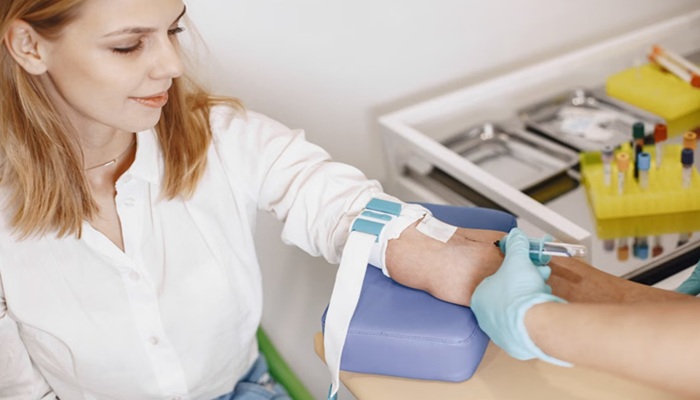
A qualified healthcare professional provided testing that gave clear answers without judgment, along with guidance on next steps and appropriate treatment. This underscores the importance of accessing trustworthy clinical services where confidentiality and non-judgmental care are priorities—concerns that matter deeply in Ghanaian communities where stigma around sexual health remains significant.
Building Body Awareness and Healthy Routines
Beyond testing, the account emphasises the value of recognising what feels normal for one's body and noticing when something shifts. Small changes in sleep, diet, or stress levels can influence how the body responds to infections, yet these often go unexamined. Developing this awareness requires no special effort—simply paying attention to your body's signals and taking them seriously when they persist for several days.
Practical steps include scheduling regular health checks at a fixed time each year, rather than waiting for symptoms to force action. Creating an environment that supports health—knowing where reliable clinics are located, having access to clear information, and building relationships with trusted professionals—makes it far easier to seek help promptly.
Why Early Detection Matters for Ghana
Ghana faces ongoing public health challenges related to STIs, with limited awareness in many communities about the importance of routine testing and early treatment. Healthcare access varies widely depending on location and economic circumstances, yet where services are available, early detection remains one of the most effective ways to prevent serious complications, reduce transmission, and support better long-term health outcomes.
For Ghanaian couples and individuals, taking sexual health seriously means moving beyond stigma and embarrassment to embrace routine screening as a normal part of wellness. This is especially important given that many infections are treatable when caught early but can cause infertility, chronic pain, or other serious complications if left unchecked.
The message is straightforward: small, consistent actions—paying attention to your body, scheduling regular check-ups, and responding to changes without unnecessary delay—add up to significantly better health protection. Consistency and early action reduce the chance of complications, make treatment simpler and more effective, and allow people to maintain their focus and routines with fewer health-related worries.
Source: The Ghana Report




Comments (0)
Be the first to comment.