Ghana to scale up numeracy programmes as maths education lags behind literacy push
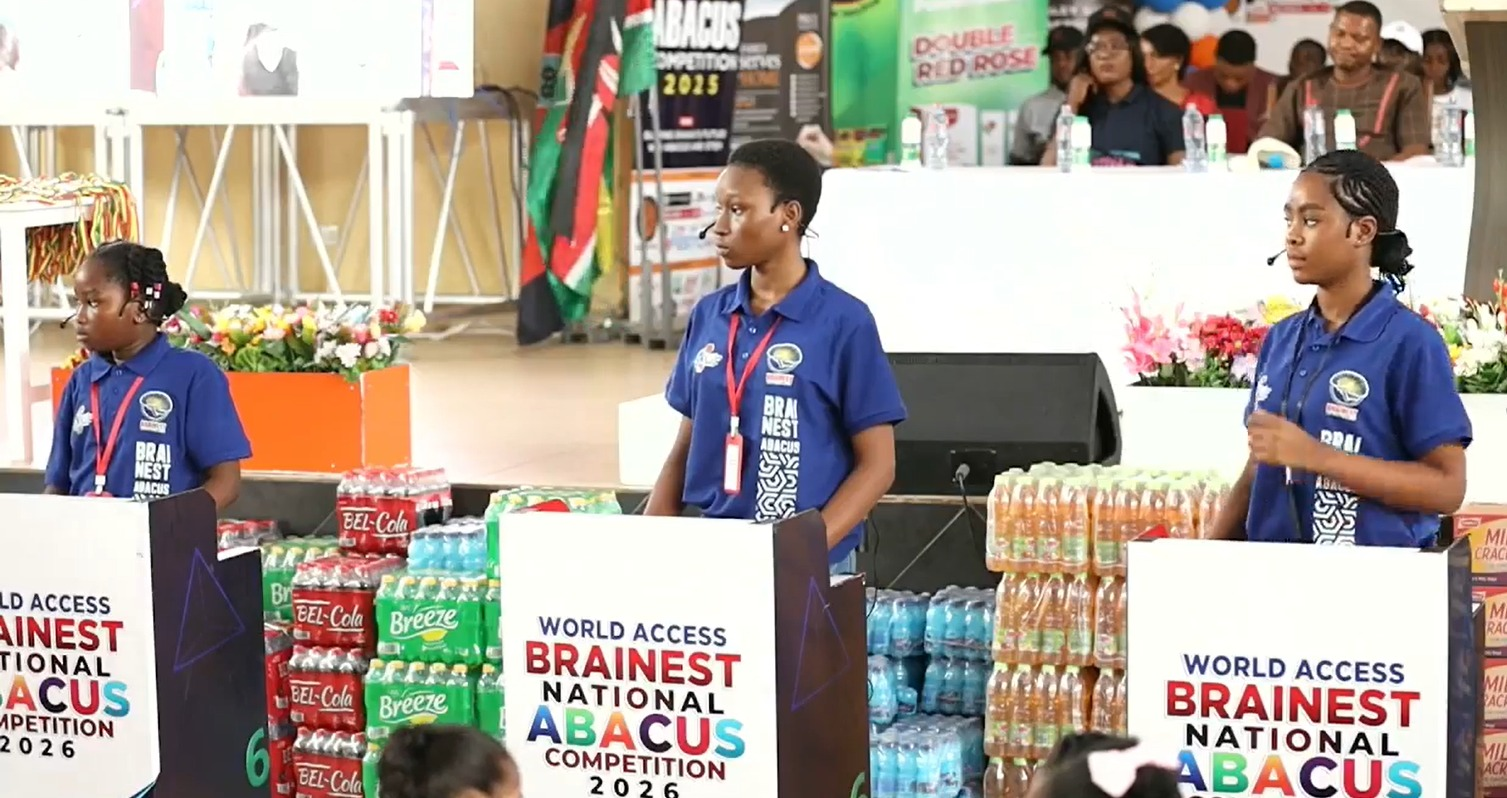
Ghana's Ministry of Education is set to launch a significant push to strengthen mathematics education across the country, acknowledging a long-standing imbalance in how literacy and numeracy have been prioritised in basic education.
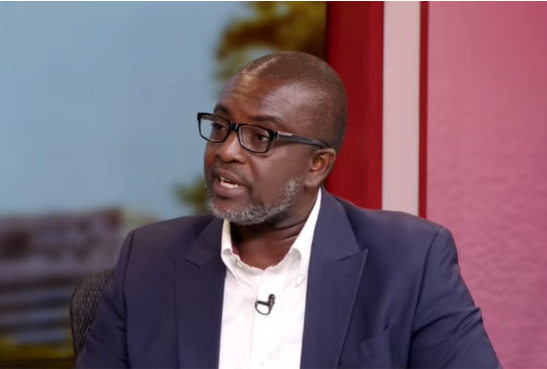
The revelation came during the 2026 World Access Brainest National Abacus Competition in Accra, where Isaac Atta Baah, Head of Unit for Early Childhood Education at the Ministry, disclosed that the government has invested heavily in reading interventions but has largely neglected numeracy development. He pledged to submit a report to the Education Minister and ministry management recommending the expansion of maths-focused programmes nationwide.
"We've realised over the years that we have put a lot of interventions in place to help children to read, but it looks as if we've given little or no regard to numeracy," Mr Atta Baah said. The ministry intends to discuss the proposal at management level before proceeding with implementation, with hopes that the Education Minister will approve scaling up the initiative.
Girls dominating maths but boys need support
A striking finding from the abacus competition revealed a dramatic gender shift in mathematics performance. Girls won approximately 90 per cent of awards at the event, a reversal of historical trends where boys traditionally excelled in maths and science. Mr Atta Baah attributed the girls' success to sustained government interventions and NGO programmes focused on girls' education and empowerment.
However, he raised concerns about the corresponding underperformance and disengagement of boys. "We have a lot of NGOs in Ghana who are into girls' and adolescent girls' empowerment, but we don't have that for the boys," he noted. He highlighted a troubling pattern where many boys drop out after junior high school to work as commercial motorcycle riders, often before turning 18. The official called for balanced policies ensuring both genders receive equal opportunity to succeed academically.
Why it matters for Ghana
Strong numeracy skills are foundational to Ghana's development agenda. Mathematics competency directly impacts performance in science, technology, engineering and other critical fields essential for national economic growth. A workforce weak in numeracy limits Ghana's ability to compete in the digital economy and advance sectors like manufacturing, renewable energy and financial services.
The gender dimension is equally significant. While progress in girls' education is celebrated, the emerging performance gap suggests boys are at risk of being left behind educationally, with real social consequences—early school dropout correlates with youth unemployment, crime and limited earning potential. A balanced approach benefiting all children serves Ghana's human capital development better than policies inadvertently creating new disparities.
The 2026 National Abacus Competition, now in its fifth edition, demonstrates growing momentum around maths engagement. The event attracted over 2,000 pupils from approximately 100 schools nationwide, with additional participation from Ghanaian students in the United Kingdom, Canada and the United States. CEO Hilda Karroum indicated plans to expand the competition internationally, positioning Ghana as a hub for mathematical excellence in Africa.
The Ministry's openness to scaling numeracy programmes signals recognition that education must evolve beyond traditional literacy-focused models. For Ghana to produce citizens equipped for modern employment and innovation, mathematics must receive parity of investment with reading—and support must reach all learners, regardless of gender.
Source: MyJoyOnline



Comments (0)
Be the first to comment.