Ghana to extend contractor liability periods on roads — minister signals major shift in accountability
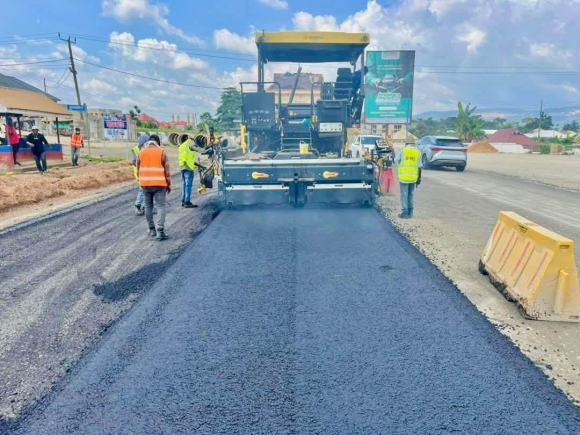
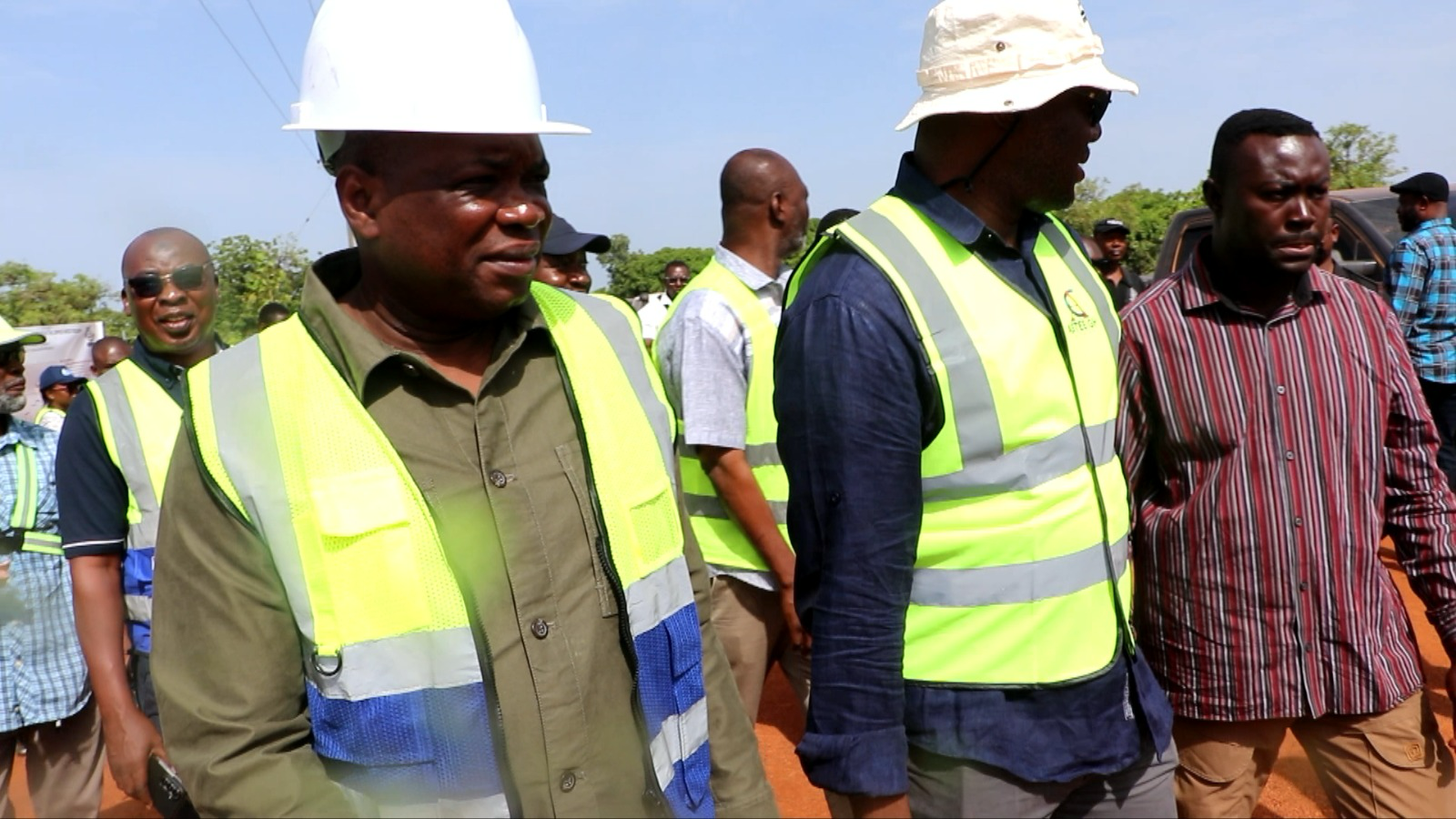
Ghana's Roads and Highways Minister, Governs Kwame Agbodza, has signalled a significant policy shift that could fundamentally reshape how the country holds road contractors accountable for the durability and quality of infrastructure projects. During an inspection of the Accra-Kumasi N6 highway this week, the Minister disclosed that he is in active discussions with his counterparts in Finance and Works and Housing to extend the current one-year defect liability period — a move that reflects growing frustration with premature road deterioration despite billions of cedis in government investment.
The current problem: One year is not enough
Under existing contract arrangements, once a road project is completed and handed over, contractors have only twelve months during which they remain liable for defects. After that period expires, responsibility for any structural failures or deterioration shifts entirely to the government, even though roads are engineered to last thirty years or more. The Minister's central argument is straightforward: if a contractor builds a road expected to perform for three decades, limiting their liability to just one year creates a perverse incentive to cut corners and prioritise short-term cost savings over long-term durability.
Mr Agbodza pointed out that the ministry has documented recurring instances where contractors fail to meet specifications, yet once the defect liability window closes, the government bears the full financial burden of repairs and rehabilitation. This arrangement essentially transfers risk away from those who design and build the roads and onto taxpayers who must fund expensive emergency repairs.
Why it matters for Ghana
Ghana's road infrastructure remains a critical bottleneck for economic development and national cohesion. The country has invested substantially in highway projects over the past decade, yet many roads show signs of premature wear within just a few years of completion. Extending contractor liability periods could deliver multiple benefits:
- Better value for money: Longer accountability means contractors will be incentivised to use quality materials and follow engineering specifications more rigorously, reducing the frequency and cost of repairs.
- Resource reallocation: By improving road durability, the government can redirect funds currently spent on emergency maintenance towards expanding networks to underserved communities.
- Professional standards: The change signals to the construction industry that quality and durability matter more than rapid project completion, potentially attracting contractors genuinely committed to excellence.
For ordinary Ghanaians, the implication is significant: smoother, safer roads that last longer, coupled with more efficient public spending. Citizens commuting between major cities, farmers transporting goods to market, and businesses relying on reliable logistics all benefit from infrastructure that maintains its integrity well beyond the first year.
The path forward
The Minister expressed confidence in Ghana's engineering capability, asserting that local professionals can design and execute roads to international standards without requiring imported expertise. However, he acknowledged that confidence alone is insufficient — the incentive structures embedded in contracts must align the interests of contractors with those of the public.
Extending defect liability is not without complexity. Longer periods may increase upfront costs for contractors, potentially affecting bid prices and project timelines. The Ministry will need to balance strengthened accountability with the practical realities of project delivery and contractor viability. Nevertheless, Mr Agbodza's signal that change is coming suggests the government views the status quo as unsustainable.
The Roads Ministry has committed to closer supervision of ongoing projects and stricter enforcement of specifications. Combined with extended liability periods, this two-pronged approach could mark a turning point in Ghana's approach to road infrastructure — one where quality and durability are prioritised over speed, and where contractors share responsibility for the long-term performance of their work.
Source: MyJoyOnline



Comments (0)
Be the first to comment.