
Ghana Standards Authority to Sweep Kumasi Warehouses for Expired Goods Ahead of Festive Season
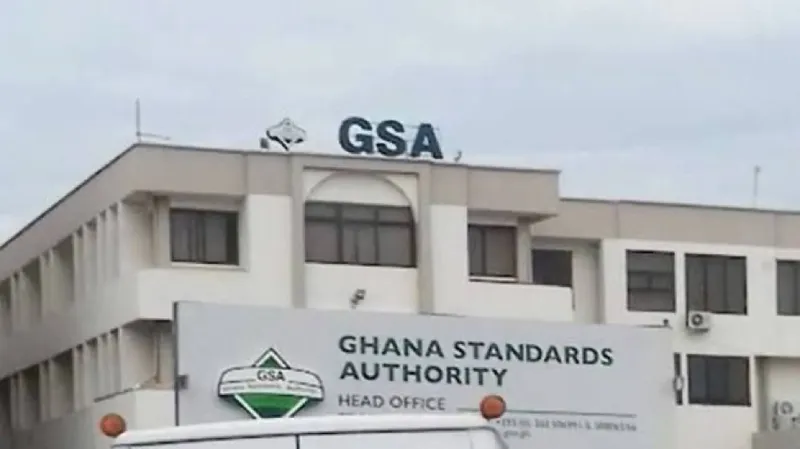

The Ghana Standards Authority (GSA) has put warehouse operators in Kumasi on notice, announcing that it will begin a comprehensive inspection exercise across storage facilities in the Ashanti Region from Monday, 30th November. The crackdown is specifically timed to protect consumers ahead of the Christmas and New Year festive season, when demand for packaged and imported goods surges sharply across the country.
What the inspections involve
According to the GSA, inspectors will move through warehouses in and around Kumasi checking goods destined for the market. Any products found to be expired, substandard, or otherwise unfit for sale will be seized and kept off the shelves. Warehouse operators have been formally notified, meaning there is little room for claims of ignorance once the exercise begins.
The authority has signalled that this is not a routine paper exercise. Goods that fail inspection will not simply attract a warning — they will be withheld from the market entirely, with operators expected to face consequences for stocking items that do not meet Ghana's standards requirements.
Why it matters for Ghana
The timing of the exercise is deliberate and significant. Every year, the Christmas season brings a dramatic spike in consumer spending across Ghana. Markets, supermarkets and smaller shops stock up heavily, and in that rush, substandard or expired products — particularly imported foods, beverages, cosmetics and household items — can quietly make their way onto shelves.
Kumasi, as Ghana's second-largest city and a major commercial hub for the entire Ashanti Region and beyond, is a critical distribution point. Goods that pass through Kumasi's warehouses often travel to smaller towns and communities across the middle belt and further north, meaning the impact of poor-quality stock can ripple far beyond the city itself.
Consumers in Ghana have long raised concerns about expired and counterfeit goods flooding the market during peak seasons. Health risks from expired food products and substandard cosmetics or pharmaceutical items are well documented, and enforcement exercises like this one are seen by public health advocates as an important line of defence.
The broader enforcement picture
The GSA operates as Ghana's national body responsible for setting and enforcing standards across goods and services. Its mandate covers everything from food safety to construction materials, and it has the legal authority to seize and destroy non-compliant products.
Enforcement drives of this kind tend to intensify around major calendar events — not just Christmas, but also Easter and other periods of elevated consumer activity. Critics, however, have occasionally questioned whether such exercises go far enough, arguing that inspections should be a year-round activity rather than a seasonal one.
For now, traders and warehouse operators in Kumasi have been clearly forewarned. Those found holding expired or substandard festive stock from Monday onwards should expect the GSA to act. Consumers, for their part, are advised to remain vigilant — checking expiry dates and buying from reputable outlets — even as the authority carries out its own checks at the source.
Source: 3News





Comments (0)
Be the first to comment.