
Ghana Separates Shipping Line Releases from Customs Clearance to Cut Port Congestion at Tema


Ghana's government has taken a significant step to unclog its busiest port, directing the Customs Division of the Ghana Revenue Authority (GRA) and terminal operators to treat shipping line release procedures and customs cargo clearance as entirely separate processes. The move, announced at a stakeholder engagement in Tema, is designed to speed up the movement of goods, reduce port congestion and lower the cost of doing business for importers.
What has changed at the ports?
Under the old arrangement, importers faced a two-step hurdle even after completing all required customs procedures and paying their duties in full. They still had to wait for a separate release approval from the relevant shipping line before their goods could physically leave the terminal. This sequential dependency frequently caused bottlenecks, leaving cleared containers sitting in already-strained storage yards for extended periods.
The new directive breaks that chain. Once Customs confirms that duties have been paid and all clearance requirements met, importers may proceed to evacuate their cargo immediately. Any outstanding transactions with the shipping line — such as container deposits or administrative fees — can be settled independently and need not hold up the physical release of goods.
Victor Kofi Baidoo, Head of the Revenue Assurance Department at the Ministry of Finance, disclosed the policy shift during a meeting with members of the Ghana Institute of Freight Forwarders (GIFF) at Tema. He confirmed that the directive had already been communicated to Customs and terminal operators for implementation.
Why it matters for Ghana
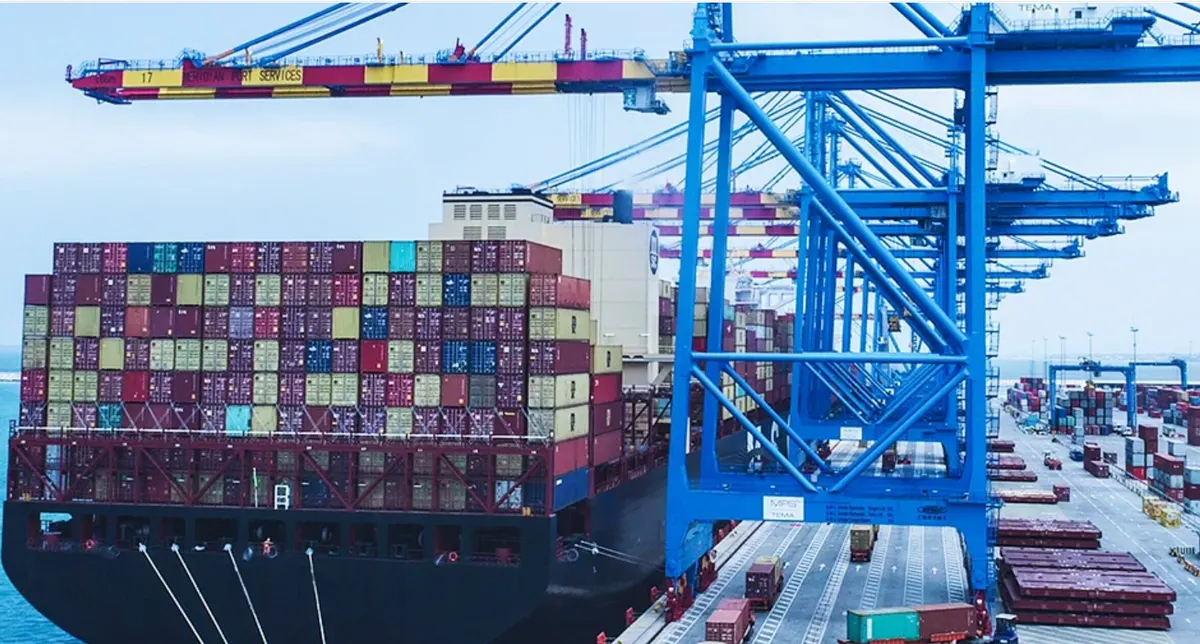
Tema Port is the gateway through which the vast majority of Ghana's imported goods — from industrial equipment to consumer products and food commodities — enter the country. Persistent congestion at the port has long been identified as a drag on Ghana's trade competitiveness, inflating logistics costs that are ultimately passed on to businesses and consumers alike.
Demurrage charges, which accrue when containers are not collected within a specified free period, have been a particularly painful burden for Ghanaian importers. By enabling faster evacuation of cleared cargo, the new policy could significantly reduce these avoidable charges. Faster container turnaround also frees up space for incoming consignments, potentially improving the overall rhythm of port operations.
Beyond individual importers, the reform has broader economic implications. Efficient ports attract more shipping traffic and investment, support manufacturing by ensuring timely delivery of raw materials, and strengthen Ghana's position as a trade and logistics hub within the West African sub-region.
Industry welcome — but challenges remain
Freight forwarders have broadly welcomed the directive. Johnny Mantey, a leading member of GIFF, described the decision as a significant step forward, noting that the industry had lobbied various stakeholders for years to achieve exactly this separation of processes.
However, he was candid about persisting problems. He pointed out that delays in obtaining container releases from some shipping lines remain a serious concern, with importers sometimes waiting between four and five days for approvals — a bottleneck the new policy alone may not fully resolve if shipping lines do not respond swiftly.
Mr Mantey also raised the alarm over the growing accumulation of empty containers at the port awaiting return to shipping lines, warning that this was putting severe pressure on available storage space and risked worsening congestion if not urgently addressed. He called on shipping lines to cooperate more actively in ensuring timely container returns, and indicated that further engagements with them would be held to prevent the situation from escalating.
- Key concern: Empty containers piling up at Tema are straining storage capacity.
- Next steps: GIFF plans further talks with shipping lines on container return timelines.
- Bigger picture: The reform supports Ghana's goal of becoming a competitive West African trade hub.
The government's directive signals a renewed focus on port efficiency as a pillar of Ghana's economic competitiveness. Whether the reform delivers its full potential will depend heavily on consistent implementation by Customs, terminal operators and the cooperation of international shipping lines operating at Tema.
Source: MyJoyOnline




Comments (0)
Be the first to comment.