Ghana Secures Major Victory in Landmark Tullow Oil Tax Battle at London Tribunal

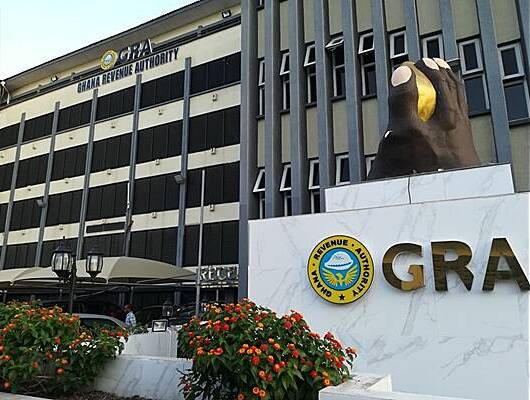
Ghana has achieved a landmark victory in a high-stakes tax dispute with British oil giant Tullow Oil, after a London-based international arbitration tribunal ruled in favour of the Ghana Revenue Authority (GRA). The tribunal has dismissed all of Tullow Oil's claims and fully upheld the GRA's $393 million tax assessment against the company, marking a decisive win for Ghana's revenue collection efforts in the oil and gas sector.
The judgment, delivered by the tribunal, vindicates the GRA's position that Tullow Oil owed the substantial sum in back taxes and related assessments. This victory is particularly significant for Ghana's petroleum revenues, which form a crucial part of government income following the country's discovery of oil reserves in the Jubilee Field in 2010.
What This Means for Ghana's Oil Sector
The tribunal's decision strengthens Ghana's ability to enforce tax compliance among multinational oil operators working in Ghanaian waters. The ruling sends a clear message that the GRA has the legal backing to pursue major corporations for unpaid taxes and that international arbitration courts will support reasoned tax assessments by Ghana's revenue authorities. This is particularly important as Ghana continues to generate revenue from its offshore oil fields, with operators including Tullow Oil, Eni, and others.
The $393 million assessment represents substantial revenue that Ghana can now claim with full legal authority, money that could be redirected towards national development priorities, infrastructure projects, or debt servicing. For a country navigating complex fiscal challenges, such recoveries are meaningful.
Background of the Dispute
Tullow Oil has been a significant player in Ghana's oil and gas industry since the early days of petroleum exploration. The tax assessment dispute between the company and the GRA reflects broader international debates about fair taxation of multinational corporations extracting natural resources from developing nations. Such disputes are not uncommon in the oil and gas sector, where complex contractual arrangements and differing interpretations of tax obligations can lead to disagreement between operators and governments.
The fact that the matter proceeded to international arbitration in London indicates the seriousness of the disagreement and the substantial sums at stake. International arbitration tribunals are frequently used in commercial disputes involving foreign investors and developing countries, offering both parties a neutral forum under established international legal rules.
The Bigger Picture for Ghana's Revenue Mobilisation
This case forms part of a broader effort by Ghana to optimise revenues from its natural resource wealth. Over recent years, the country has worked to strengthen its tax administration and ensure that companies operating in high-value sectors like oil and gas meet their fiscal obligations. The GRA's success in this matter demonstrates that Ghana has competent legal representation and the institutional capacity to take on and win complex international cases.
The tribunal's judgment also provides important precedent for future disputes. It validates Ghana's approach to tax assessment in the petroleum sector and gives the GRA confidence to pursue similar cases if warranted. For investors, it underscores the importance of meeting tax obligations in Ghana and settling disputes through proper channels rather than through prolonged arbitration.
The full judgment provides detailed reasoning that legal professionals, government officials, and industry observers will study closely to understand the tribunal's interpretation of Ghana's tax law and international commercial principles as they apply to oil and gas operations.
Source: 3News



Comments (0)
Be the first to comment.