Ghana's waste transfer stations reopened to tackle sanitation crisis under Mahama's directive

The Government of Ghana has moved to reinvigorate its waste management infrastructure by reopening five critical transfer stations across the country, signalling a renewed commitment to tackling the nation's persistent sanitation challenges. The facilities at Abokobi, Teshie, Achimota, Ashaiman and Jamestown have been brought back into operation on the directive of President John Dramani Mahama, with the primary goal of accelerating waste evacuation and improving disposal systems nationwide.
This intervention comes at a time when many Ghanaian communities continue to grapple with inadequate refuse collection, overflowing waste sites and the environmental and health hazards that follow. The reopening of these stations represents an attempt to create a more efficient pipeline for waste transport from collection points to final disposal sites, reducing the burden on overwhelmed local authorities and communities.
Strategic move towards integrated waste systems
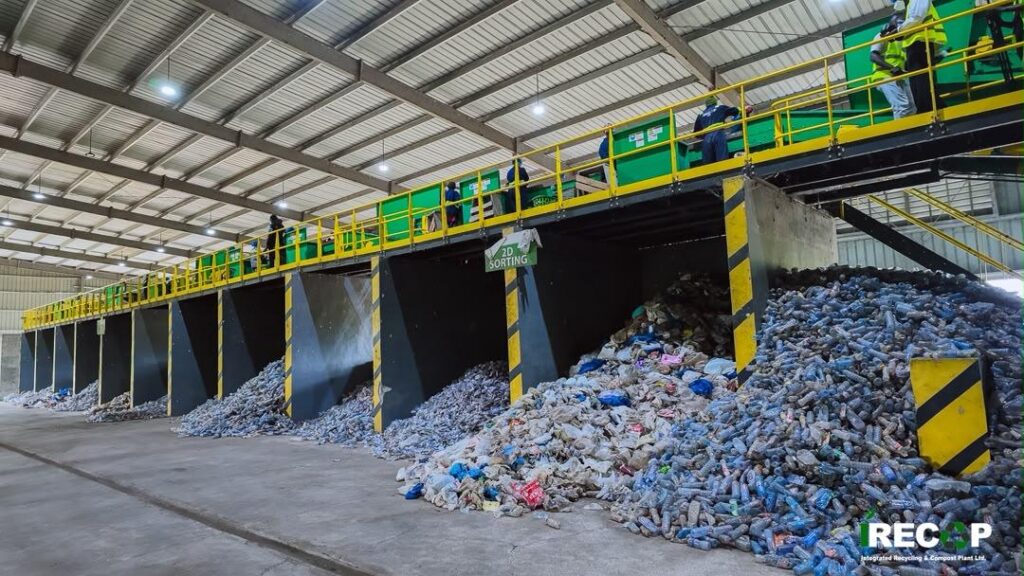
The Local Government Minister has indicated that these operational facilities are now being integrated into a broader national sanitation model, suggesting that the government views waste transfer stations as essential infrastructure rather than ad-hoc solutions. Transfer stations serve as consolidation points where waste collected from various neighbourhoods is sorted, compacted and transferred to larger vehicles for transportation to final disposal sites—a critical function in any modern waste management system.
The simultaneous reopening of multiple stations across different regions—from Accra's urban centres to surrounding municipalities like Ashaiman—indicates a coordinated approach to the problem. By distributing transfer capacity across several nodes, the government aims to reduce congestion at individual facilities and minimise the time waste spends in neighbourhoods waiting for evacuation.
Why this matters for Ghana
For ordinary Ghanaians, particularly residents in urban and peri-urban areas, the effective operation of waste transfer stations directly impacts daily quality of life. Inadequate waste management has long been linked to public health issues, including cholera outbreaks and the proliferation of disease vectors such as mosquitoes and rats. The sanitation crisis also affects property values, business confidence and Ghana's international reputation.
The reinvigoration of these facilities also signals government intent to address systemic gaps in waste management that have persisted despite numerous previous interventions. Success will depend not only on keeping stations operational but also on addressing complementary challenges: ensuring reliable funding, training adequate personnel, securing reliable transportation, and establishing effective final disposal sites. Without addressing the entire value chain, transfer stations alone cannot solve Ghana's sanitation problem.
Furthermore, this move touches on decentralisation and local government effectiveness. Metropolitan and Municipal Assemblies across the country have struggled to deliver consistent sanitation services due to inadequate resources and capacity. The involvement of the presidency signals priority-level attention, though the sustainability of these efforts beyond the current political cycle remains a key concern for communities expecting lasting change.
Next steps and expectations
As these stations are now part of a stated national sanitation model, stakeholders will be watching whether the government can maintain momentum, secure ongoing funding, and ensure that the facilities operate at full capacity. The success of this initiative will be measured not just by the reopening itself, but by observable improvements in waste collection frequency, reduction in street litter, and public health outcomes across the affected communities.
Source: 3News

Comments (0)
Be the first to comment.