Ghana's Post-IMF Era: Economy Faces Fresh Pressures as Fiscal Consolidation Claims Draw Scrutiny
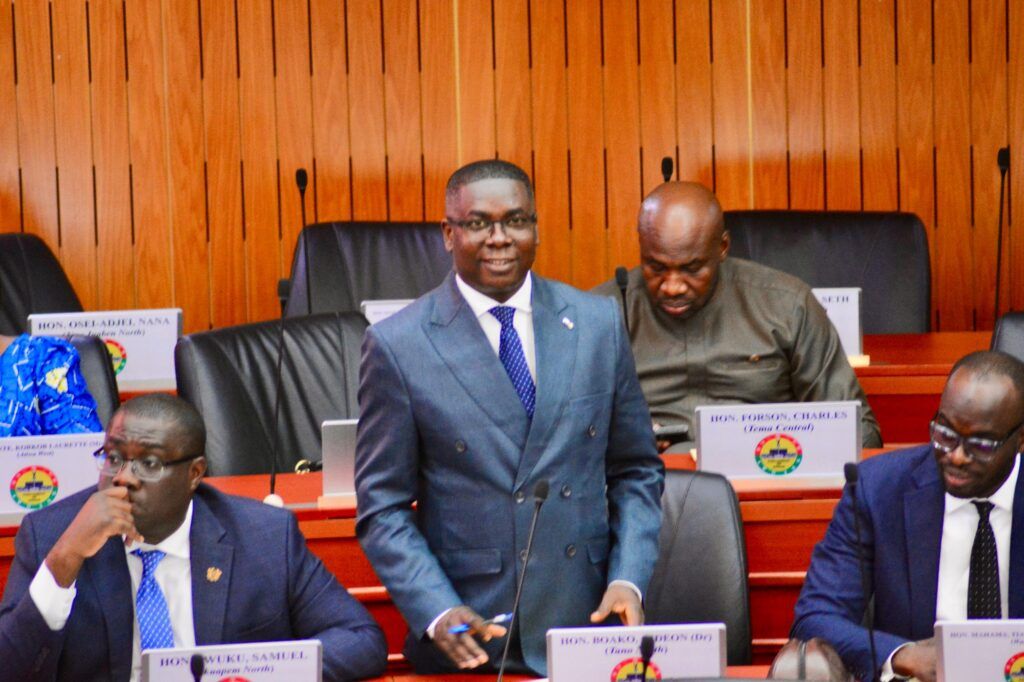
Ghana's exit from its International Monetary Fund support programme has sparked fresh concerns about the nation's economic resilience, with analysts questioning whether the fiscal discipline achieved during the programme will hold once external oversight ends.
The conclusion of the IMF engagement marks a critical juncture for Ghana's economy. While government officials have celebrated the successful completion of the programme and highlighted improvements in fiscal consolidation, critics argue that these gains may prove fragile without continued structural reforms and institutional discipline.
The Core Challenge: Sustaining Fiscal Discipline
A key concern centres on the government's ability to maintain spending discipline and revenue collection without the external pressure and conditionality that the IMF programme imposed. The quality and authenticity of Ghana's fiscal consolidation measures have come under intense scrutiny from economic analysts and observers.
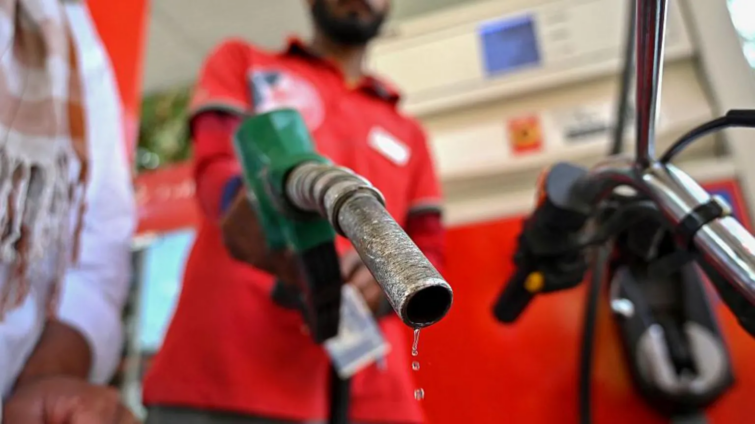
The period of heightened food and fuel costs has placed additional strain on household budgets across Ghana. Without IMF oversight mechanisms in place, questions linger about whether the government will resist pressures to relax fiscal discipline through expanded spending or reduced tax enforcement during election cycles or other politically sensitive periods.
Why It Matters for Ghana
Ghana's IMF programmes have historically been critical anchors for macroeconomic stability, helping to restore investor confidence and provide a framework for structural economic reforms. The transition away from programme support represents both an opportunity and a risk:
- If fiscal discipline holds, Ghana can demonstrate its capacity for independent economic management and potentially attract private investment at better terms
- If consolidation efforts prove superficial or are abandoned, Ghana risks returning to patterns of fiscal indiscipline that have historically required IMF intervention
- The success of this post-programme period will shape Ghanaians' purchasing power, employment prospects, and the government's capacity to invest in critical services
The skepticism expressed by economic observers reflects a broader challenge facing Ghana: demonstrating that improvements made under external supervision represent genuine institutional and policy shifts, rather than temporary compliance with programme requirements.
Looking Forward
The coming months and years will reveal whether Ghana's fiscal consolidation represents durable reform or a temporary adjustment. Critical indicators to monitor include government revenue collection, expenditure management, and inflation trends—particularly as they affect the cost of living for ordinary Ghanaians.
Successfully navigating the post-programme period requires sustained commitment to revenue enhancement, disciplined public spending, and structural reforms that boost productivity and competitiveness. The alternative—a return to fiscal drift—could necessitate another round of IMF engagement and impose additional economic hardship on Ghanaians already struggling with elevated living costs.
Source: 3News



Comments (0)
Be the first to comment.