Ghana's Police Ramp Up War on Illegal Guns as 8th National Destruction Ceremony Targets Crime Wave
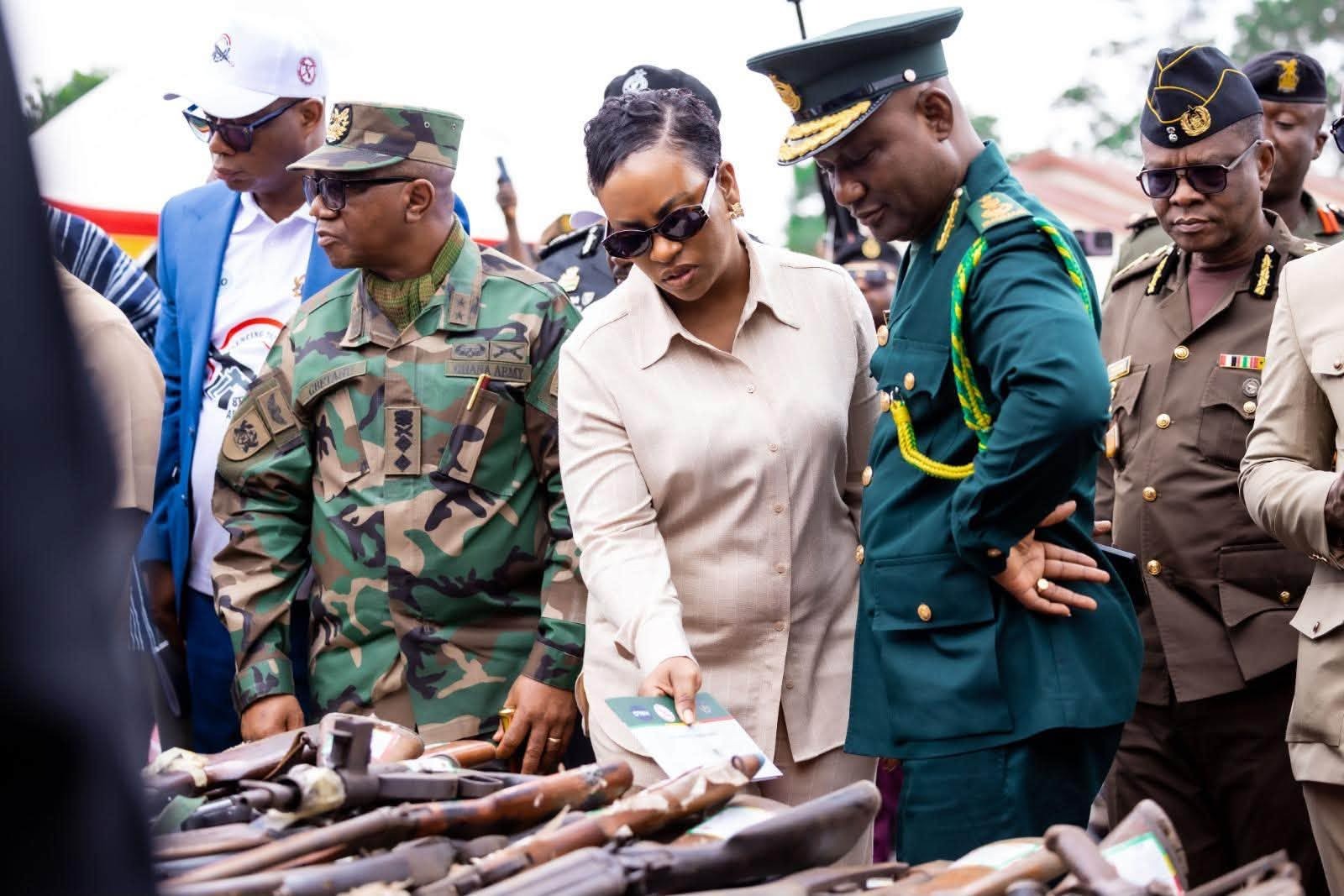
Ghana's Criminal Investigations Department is intensifying its assault on illegal firearms following the 8th National Arms Destruction Ceremony held on Thursday, with the CID Director-General emphasising that every weapon removed from streets could save a life.
COP Lydia Yaako Donkor, speaking after the ceremony themed "Silencing the Guns Through Destruction for a Peaceful, Safe and Gun-Violence-Free Ghana," highlighted the direct link between unlicensed firearms and Ghana's persistent crime problems. She warned that illegal possession and misuse of guns continue to drive armed robbery, violent crime and other criminal activities that threaten public safety and national security.
The Scope of Ghana's Firearm Problem
The CID's focus on destroying illicit and obsolete weapons reflects a broader strategy to remove instruments of violence from Ghanaian communities. According to the Director-General, firearms in the wrong hands become tools of fear and loss rather than legitimate security assets. The destruction ceremony represents a physical, symbolic gesture that weapons used in crimes have no legitimate place in Ghanaian society.
The timing of the 8th National Destruction Ceremony suggests this has become an annual or regular initiative, indicating the scale of illegal firearms circulating within Ghana. Armed robbery remains a significant crime in urban and rural areas, with many incidents involving stolen or illegally-possessed guns.
How Police Are Fighting Back
The CID has outlined a multi-pronged approach to tackling firearm-related crime. Intelligence-led investigations allow officers to trace weapons to criminal networks and dismantle organisations responsible for trafficking guns. Forensic analysis helps link weapons to specific crimes, strengthening prosecutions. Collaboration with local law enforcement and international partners extends Ghana's reach beyond national borders, recognising that illegal arms often cross West African frontiers.
COP Donkor reaffirmed that the Department will continue pursuing these strategies while actively seeking public cooperation. She called on Ghanaians to refuse unlicensed weapons, report suspected firearm trafficking, and support police efforts to keep communities safe.
Why This Matters for Ghana
Armed robbery and gun violence impose significant costs on Ghana's economy, public health system and social fabric. Businesses invest in expensive security measures, crime deters foreign investment and tourism, and families live in fear. Communities plagued by armed robbery experience reduced economic activity as traders avoid high-risk areas and residents limit movement after dark.
The public appeal is crucial because voluntary surrender of illegal weapons and community intelligence have historically proven effective in similar campaigns globally. Ghanaians who know of illegal firearms or trafficking networks hold key information that can help police intercept weapons before they're used in crimes.
The CID's emphasis on building a "safer, more peaceful Ghana" reflects recognition that firearm violence is preventable through sustained law enforcement effort and community participation. Younger generations growing up with reduced gun violence are more likely to benefit from stable economic and social conditions, improving Ghana's long-term development prospects.
Source: The Ghana Report

Comments (0)
Be the first to comment.