
Ghana's New Social Protection Framework: What the 2025 Act Means for Vulnerable Citizens


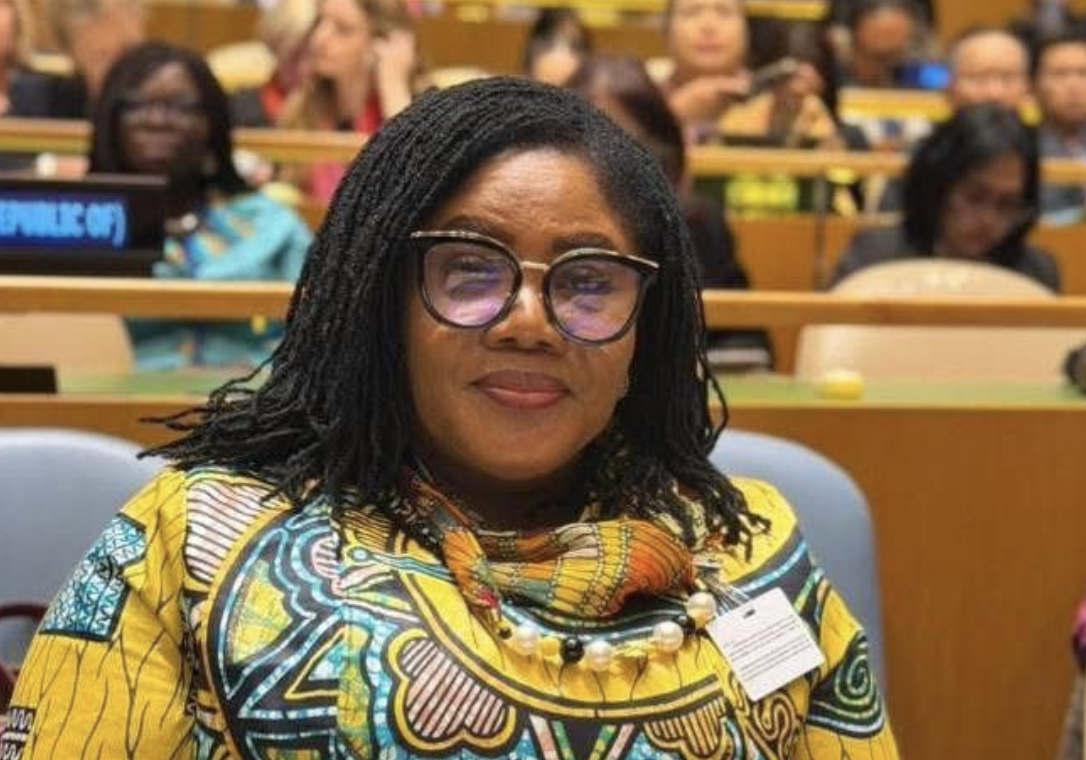
Ghana has taken a major legislative step to overhaul its approach to social protection, with Minister Dr Agnes Naa Momo Lartey emphasising that no citizen should face poverty or hardship without access to government support. Speaking at a community dialogue in Accra, Dr Lartey highlighted the significance of the newly enacted Social Protection Act, 2025 (Act 1148) and accompanying Social Protection Regulations, 2026 (L.I. 2521) as transformative tools for building a more coordinated and inclusive safety net.
The Minister described social protection as a cornerstone of national development, resting on a fundamental principle: vulnerable individuals and families deserve targeted assistance when facing circumstances beyond their control. Rather than viewing such programmes as charity, the government is positioning them as a critical investment in social stability and economic resilience.
A Legal Framework for Coordination
The new legislation provides the first comprehensive legal framework for coordinating social protection services across Ghana's public sector. Previously, assistance programmes operated with varying degrees of coordination across different ministries and local assemblies. The Act seeks to standardise service delivery, improve accessibility and ensure that vulnerable populations—including the elderly, persons with disabilities, orphans and families living in extreme poverty—receive consistent support regardless of where they live.
Community dialogues have already been held in five metropolitan, municipal and district assemblies this year as part of public engagement on the new framework. These sessions serve a dual purpose: informing citizens about available programmes and gathering feedback on how the system can be improved. Dr Lartey stressed that meaningful participation from both stakeholders and ordinary citizens is essential to make social protection services genuinely responsive to community needs.
Local Implementation: The LEKMA Example
At the grassroots level, local assemblies are already adapting the framework to address specific community vulnerabilities. The Ledzokuku Municipal Assembly (LEKMA) has established mechanisms to combat drug and substance abuse and support vulnerable persons, including rape survivors. According to the Assembly Member for Teshie Okesekor Electoral Area, Mr Saint Kabu, victims of sexual assault referred through police channels now receive direct assistance from the Assembly, with dedicated funds available for their support. This represents practical coordination between law enforcement and social protection services.
Why It Matters for Ghana
Ghana's formal social protection system has long been fragmented, with programmes such as the Livelihood Empowerment Against Poverty (LEAP) and the National Homeowners Warranty Scheme operating alongside informal community support. The new Act consolidates these efforts and provides a legal mandate for expansion and improvement.
For ordinary Ghanaians, particularly those in rural areas or urban slums where poverty and vulnerability are most acute, the legislation signals potential improvements in access to cash transfers, healthcare support, and assistance during emergencies. The framework also addresses emerging social challenges—such as substance abuse and gender-based violence—by mandating local assemblies to develop targeted interventions.
However, success depends on adequate funding and political will at all levels of government. Ghana's fiscal constraints mean that universal coverage remains distant, but the legislative foundation now exists to scale programmes incrementally and ensure that whatever support is available reaches those most in need. For civil society organisations and international development partners, the Act also creates clearer partnership opportunities and accountability mechanisms.
Dr Lartey's emphasis on citizen participation suggests that the government recognises social protection as a shared responsibility rather than a top-down delivery system. As more community dialogues unfold across the country, Ghanaians will have opportunities to shape how this new framework develops and whether it truly reaches the most vulnerable.
Source: The Ghanaian Times


Comments (0)
Be the first to comment.