Ghana's Music Industry Must Look Inward: Why Local Sounds Matter More Than Imported Trends

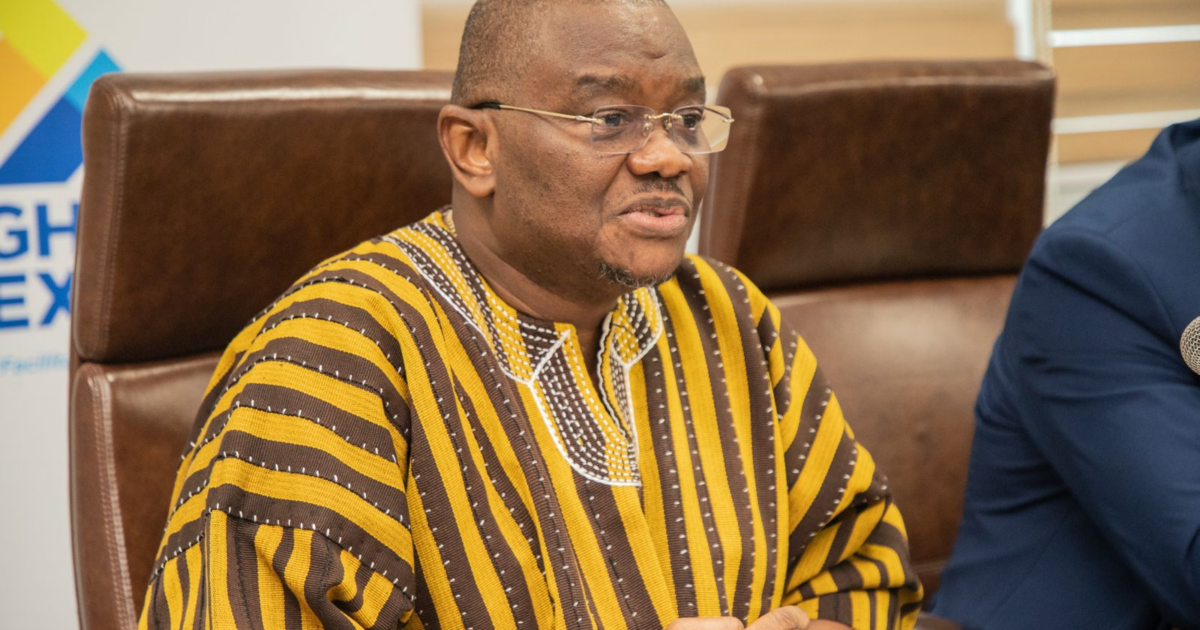
As Ghanaian airwaves fill increasingly with South African Amapiano and other imported genres, one prominent figure in the country's music space is sounding an alarm about the potential cost of this cultural drift. Dela Botri, an advocate for traditional and contemporary Ghanaian music, argues that the nation's obsession with foreign musical trends threatens to undermine the very cultural identity that could become a significant economic and diplomatic asset if properly developed and promoted globally.
Speaking recently, Botri articulated a concern that resonates beyond the music industry itself. "A country without a culture is a dead country because you do not have anything to be identified with," he said, highlighting how cultural exports serve as ambassadors for a nation's values and heritage. His central question cuts to the heart of the debate: whilst Ghana eagerly imports genres like Amapiano from South Africa, what is the country actively exporting to the world as distinctly its own?
Ghana's Rich Musical Heritage Remains Underexploited
Ghana possesses a diverse and deep musical tradition spanning highlife, hiplife, azonto, afrobeats, and numerous other indigenous forms that have influenced global music for decades. Yet despite this reservoir of creative talent and authentic sound, the country has struggled to position these genres as export commodities in the way South Africa, Nigeria and other regional peers have done. Botri argues this is not accidental but rather the result of deliberate choices within the industry—choices that favour trend-chasing over innovation rooted in local identity.
The challenge, according to Botri, lies not in rejecting contemporary production methods or global collaboration. Rather, he advocates for modernising and packaging Ghanaian sounds in ways that preserve their authenticity whilst appealing to international audiences. This means musicians, producers, labels and government agencies must work together to create infrastructure, investment and promotional strategies that position local music as a competitive global export.
What This Means for Ghana's Cultural and Economic Future
The implications extend beyond radio playlists and streaming charts. Cultural exports generate revenue, create jobs and establish soft power—the ability to influence global opinion through attraction rather than coercion. Nigeria's Afrobeats boom has demonstrated how strategic investment in indigenous music can transform perceptions of a nation and create billions in economic value. South Africa's Amapiano success similarly shows what happens when a country backs its own sound.
Ghana's music industry already produces globally recognised artists and producers, yet the country often plays catch-up rather than setting trends. Botri's challenge is fundamentally about strategic thinking: investing in local talent development, modernising music production infrastructure, creating export-focused distribution networks, and ensuring Ghanaian music gains the same promotional push currently given to imported genres.
The conversation also touches on broader questions of cultural sovereignty in an increasingly globalised entertainment landscape. When young Ghanaians consume predominantly foreign music, they absorb foreign cultural values, aspirations and identity markers. Over time, this shapes how they see themselves and their country. A deliberate, well-resourced strategy to promote Ghanaian music internationally could reverse this trend whilst creating economic opportunities.
Dela Botri's message is clear: Ghana need not choose between embracing global music trends and building a thriving local export industry. The real work lies in investing in the latter with the seriousness and resources currently directed elsewhere.
Source: The Ghana Report


Comments (0)
Be the first to comment.