
Agya Koo Wants a National Creative Arts Museum — And He Has a Point
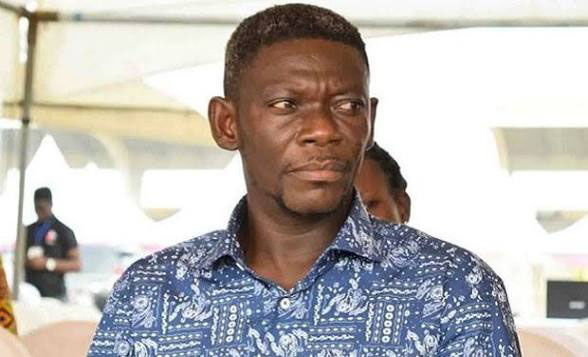

One of Ghana's most beloved comic actors, Agya Koo, has thrown his weight behind a proposal that many in the creative industry have long whispered about but rarely championed publicly: a national museum dedicated to the country's entertainment and creative arts legends. Speaking to Graphic Showbiz, the Kumawood veteran made an impassioned case for why Ghana must act now — before more of its cultural history disappears with the people who made it.
A Museum That Educates, Preserves and Attracts
Agya Koo's vision is not simply a vanity project for celebrities. He envisions an institution that would document the work and achievements of actors, musicians and other creative pioneers — serving simultaneously as an educational resource, a cultural archive and a tourism draw. Having personally visited museums in New York and Holland that celebrate the entertainment arts, he is convinced Ghana has both the material and the talent history to build something comparable.
"We are watching our entertainment legends die without preserving their legacies and that is very frustrating," he said. He pointed to Japan as a striking example, noting that the country preserves the footprints and works of international martial arts icons, and that people willingly pay to experience these exhibits. His point was clear: cultural preservation is not charity — it is good business and good nation-building.
The actor specifically called on the Office of the President and the Ministry of Tourism, Culture and Creative Arts to take the proposal seriously, adding that he would be willing to engage the President directly to explore how it could be formalised and implemented.
Why It Matters for Ghana
Ghana's creative industry has produced generations of entertainers who shaped the country's identity — from highlife musicians who soundtracked independence-era optimism to Kumawood filmmakers who gave the Akan-speaking world its own cinematic voice. Yet the infrastructure to honour and preserve these contributions remains thin. There is no dedicated national institution that systematically collects, archives and displays the work of Ghanaian entertainment legends in the way that, say, the Grammy Museum does in the United States or various national film archives do across Europe.
The consequences of this gap are real. When entertainment veterans pass on without proper documentation of their work, that history risks being lost entirely. Agya Koo also raised a related concern: some older creatives end their careers in financial hardship — not necessarily through personal mismanagement, but because the industry lacks structures to support its pioneers in old age. A museum, he suggested, could be one part of a broader ecosystem of support and recognition for those who built Ghana's cultural foundations.
From a tourism perspective, the timing of such a proposal is worth noting. Ghana has invested significantly in heritage tourism in recent years, and a well-curated creative arts museum in Accra or Kumasi could appeal to diaspora visitors, international tourists and the growing number of young Ghanaians who are reconnecting with local culture through Afrobeats, Ghanaian films and social media.
The Digital Era and the Duty of Veterans
Agya Koo also addressed a tension that is shaping Ghana's film and entertainment landscape right now: the shift from traditional television and physical media to platforms like YouTube. He acknowledged that digital platforms have democratised filmmaking, giving young producers opportunities that simply did not exist a decade ago. However, he expressed concern that the rush to publish online content is sometimes coming at the cost of production quality.
His remedy? Greater involvement from the older generation. Veterans like himself, he argued, have a duty to mentor emerging talent, share hard-won experience and help set standards that protect the gains of the digital era. It is a call not for gatekeeping, but for genuine knowledge transfer — ensuring that whatever comes next is built on a solid foundation rather than starting from scratch.
- Agya Koo is urging Ghana's government to build a national creative arts museum.
- The museum would preserve legacies of actors, musicians and entertainment pioneers.
- He also called for stronger mentorship of young creatives by industry veterans.
Source: The Ghana Report




Comments (0)
Be the first to comment.