Ghana Revenue Authority Seals Electrochem Facility Over Eight-Year Unpaid Tax Debt
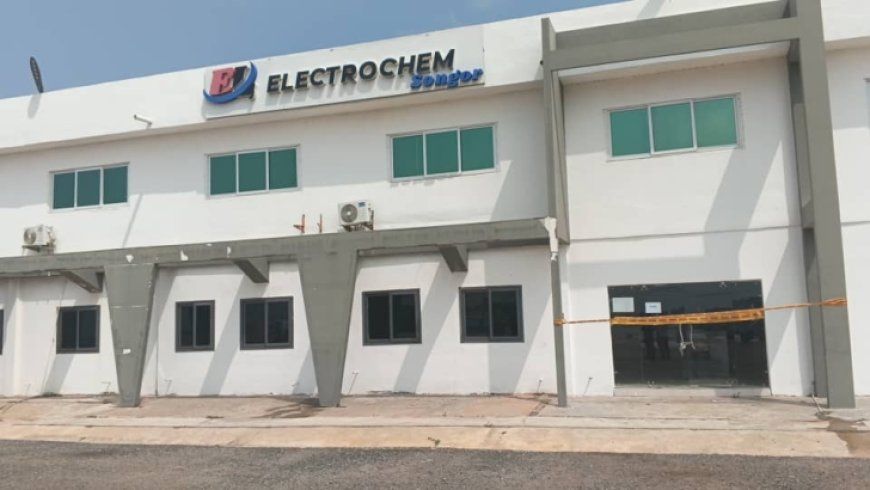
The Ghana Revenue Authority (GRA) has sealed the administrative block of Electrochem, a significant player in Ghana's chemical manufacturing sector, in response to an outstanding tax debt spanning several years. The closure represents an escalation in enforcement action after the company allegedly failed to settle accumulated tax liabilities despite previous regulatory engagement.
According to GRA officials, the authority exhausted diplomatic channels and friendly regulatory procedures before resorting to the facility lockdown. This decision underscores the government's strengthened commitment to ensuring tax compliance across major industrial enterprises, particularly those with substantial outstanding obligations to the state.
Understanding the Enforcement Action
Tax enforcement actions of this magnitude signal a shift towards more aggressive debt recovery strategies. When companies accumulate multi-million-cedi tax arrears, the GRA's options become limited. Sealing facilities serves multiple purposes: it restricts the company's operational capacity, creates immediate pressure for settlement negotiations, and demonstrates to other businesses that tax non-compliance carries tangible consequences.
The timeline of this debt—spanning several years—suggests this situation did not develop overnight. Companies typically receive multiple notices, payment reminders, and opportunities to engage with tax authorities before such drastic measures are implemented. Electrochem's continued non-payment despite these interventions indicates either severe financial distress or resistance to meeting tax obligations.
Why It Matters for Ghana
This enforcement action reflects broader challenges in Ghana's tax collection ecosystem. Large industrial companies represent significant revenue sources for government, and when they accumulate unpaid taxes, it directly impacts public finances available for healthcare, education, and infrastructure development.
Several factors make this case noteworthy for Ghana's business environment:
- Large-scale tax arrears reduce funds for critical public services and development projects
- Selective enforcement raises questions about consistency in how tax laws are applied across different sectors
- Facility closures can trigger job losses and supply chain disruptions affecting downstream businesses
- The case highlights the importance of timely tax settlement for maintaining operational licences and access to facilities
For other businesses, the GRA's action sends a clear message: tax compliance is non-negotiable. Companies cannot expect indefinite forbearance when they fall behind on obligations. This enforcement sets a precedent that could influence behaviour across Ghana's industrial base.
Moving Forward
The situation now hinges on negotiation. Electrochem faces significant operational pressure with its administrative block sealed. The company may pursue settlement discussions, payment plans, or legal challenge to the GRA's action. Meanwhile, the authority has demonstrated willingness to use its enforcement powers to recover outstanding revenue.
For Ghana's economy, the case underscores the ongoing tension between supporting local industry and ensuring fiscal discipline. How this situation resolves—whether through negotiated settlement, court proceedings, or continued enforcement—will likely influence future interactions between tax authorities and industrial enterprises facing financial difficulty.
Source: 3News



Comments (0)
Be the first to comment.