Ghana May Delay Form One Reporting as School Placement System Faces New Crunch

Ghana's government is preparing contingency plans to push back the September 18 reporting date for incoming Form One students, signalling growing concern that the troubled school placement system will not be fully operational in time for the new academic term.
The potential extension comes after the Education Ministry already granted a one-week grace period to resolve technical and administrative problems that left thousands of qualifying students unable to complete their placements through the Computerised School Selection and Placement System (CSSPS).
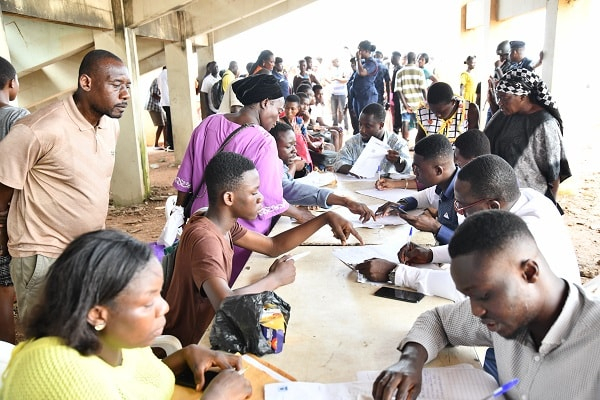
During a visit to the National Resolution Centre in Accra, Education Minister Haruna Iddrisu indicated the government would not force students to report on schedule if placement issues remained unresolved. "Reopening date, I'll come back here. When we are not able to deal with all these issues, I ask the GES not to hesitate, but we will give them room," he said, referring to the Ghana Education Service.
The Scale of the Placement Crisis
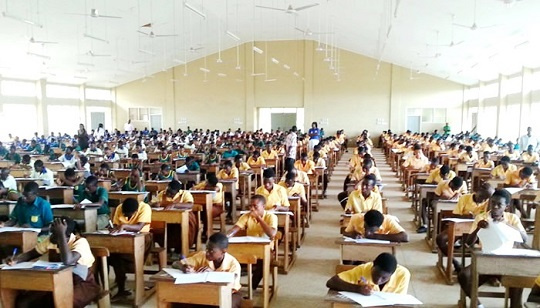
The statistics underlying the crisis are substantial. Of the 604,000 students who qualified for Senior High School placement this year, approximately 527,000 have secured places—leaving around 77,000 students still in limbo. While the ministry frames this as a largely successful operation, nearly 13% of qualified candidates remain unplaced weeks before the scheduled reporting date, creating significant anxiety among families and stretching the resolution centre's capacity.
The minister urged officials managing the resolution centre to approach complaints with "patience, tolerance and understanding," tacit acknowledgement that the system has generated widespread frustration among students, parents and school administrators.
Why it Matters for Ghana
Ghana's education system has grappled with placement challenges for several years, and recurring disruptions to the academic calendar create cascading problems. Delayed school openings compress the academic year, force teachers to rush syllabi, and disadvantage students in examination preparation—particularly those sitting national exams like the WASSCE or BECE.
For families, especially those in rural areas with limited school options, placement uncertainty extends beyond inconvenience. Parents cannot plan transportation, accommodation or finances without knowing where their children will study. The current situation has also exposed glaring inequalities: demand is heavily concentrated at Category A schools (the most prestigious institutions), whilst Category C schools struggle with low enrolment despite having vacancies.
Minister Iddrisu acknowledged this structural imbalance and signalled a longer-term strategy: substantial government investment in infrastructure at undersubscribed schools to redistribute demand and ease pressure on the system. However, such investment requires planning, funding and time—solutions that do not address the immediate crisis facing this cohort of students.
What Happens Next
The government has committed to a review of the CSSPS to identify systemic weaknesses, but details remain sparse. For now, September 18 remains the official reopening date, with any postponement contingent on progress this week in clearing outstanding placement cases.
Education stakeholders will be watching closely to see whether the government follows through on extending the deadline if necessary, or whether it maintains the timeline despite unresolved placements—a decision with serious implications for student welfare and academic continuity.
Source: MyJoyOnline


Comments (0)
Be the first to comment.