Ghana launches specialist press corps to combat cybercrime through media education
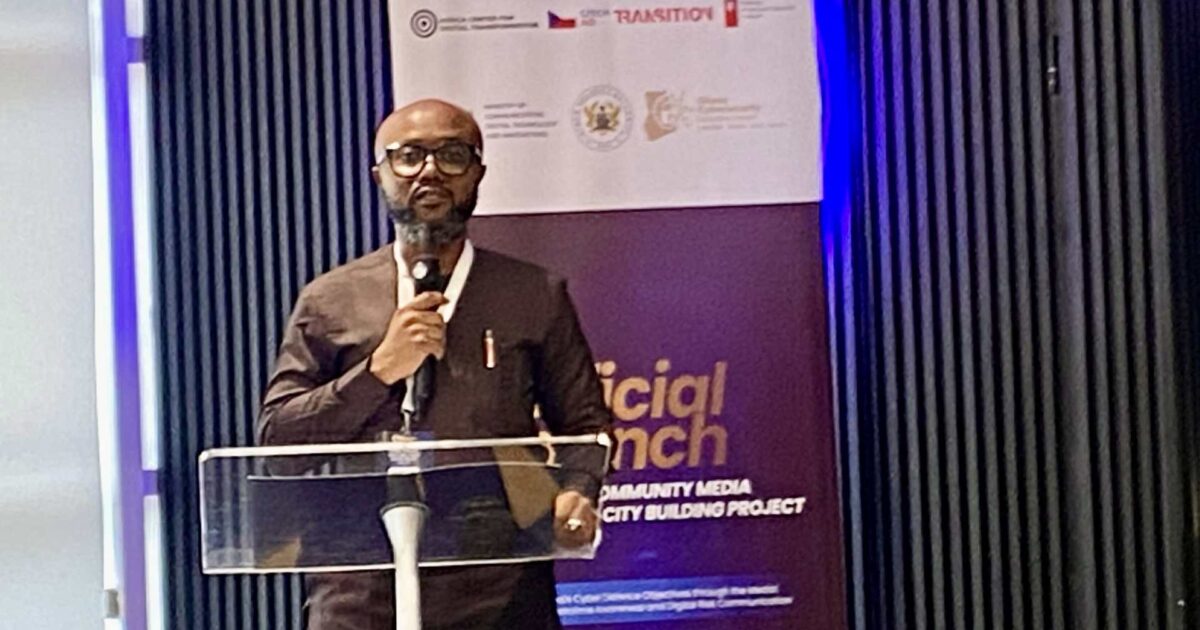
Ghana's Cyber Security Authority has announced a significant initiative to harness the power of journalism in fighting cybercrime, unveiling plans for a dedicated Cybersecurity Press Corps designed to educate the public and expose emerging digital threats. The move comes as cyber criminals become increasingly sophisticated in their targeting of Ghanaians, using social engineering tactics and false investment schemes to defraud victims across the country.
Director-General Divine Selase Agbeti launched the initiative at the unveiling of the National Community Media Cyber Capacity Building Project in Accra, emphasising the critical role media plays in prevention. According to Agbeti, a single radio discussion in a local language could prevent thousands of people from falling victim to fraud, whilst television coverage could expose scams before they spread nationally.
The scope of Ghana's cybercrime challenge
Cybercriminals operating in Ghana have evolved their tactics significantly. Rather than launching attacks immediately, they now conduct extensive reconnaissance on potential victims through social media, studying personal information about family relationships, interests and lifestyle over days, weeks or even months before making contact. This sophisticated approach has made Ghana vulnerable to a range of online crimes.
The most prevalent cyber threats currently affecting Ghanaians include mobile money fraud, online investment scams, romance fraud, identity theft, sextortion schemes, business email compromise, and online impersonation. These crimes have caused substantial financial and emotional harm to victims across the country.
The CSA is collaborating with multiple agencies including the Ghana Police Service, National Security, and the Economic and Organised Crime Office to investigate and disrupt cybercriminal networks. International partners are also supporting these efforts.
Why it matters for Ghana
The establishment of this press corps represents a strategic shift in Ghana's cybersecurity approach. Rather than relying solely on law enforcement and technical measures, the government recognises that public awareness and education are equally critical. By training more than 100 journalists from national, regional and community media organisations, the initiative aims to create a cascade effect of cybersecurity awareness across Ghana's diverse media landscape.
For ordinary Ghanaians, this means better access to timely, accurate information about emerging threats. Journalists trained through this programme will be able to explain complex technical cybersecurity issues in accessible language, helping citizens recognise scams before they become victims. When new threats emerge, the press corps will ensure rapid public notification. When cybercriminals are arrested, trained journalists can help communities understand the significance of these operations.
The project also strengthens Ghana's digital literacy at a community level. As more Ghanaians rely on mobile money services, online banking and social media for business and communication, understanding how to protect personal information has become essential. Community and local language media can reach populations that might not access national outlets, making their role in cybersecurity education particularly valuable.
International support and training scope
The National Community Media Cyber Capacity Building Project is being implemented by the CSA in partnership with the Africa Centre for Digital Transformation and funded by the Government of the Czech Republic. This reflects a four-year commitment from the Czech government to strengthen Ghana's cybersecurity sector through technical cooperation, specialised training and provision of digital forensic equipment.
Training delivered through the project will cover cyber threats, online fraud, misinformation, child online protection and responsible reporting practices. Czech Ambassador Pavel Bílek highlighted that professional, well-informed media serve as educators, early warning systems and bridges between institutions and communities in the digital age. The ambassador reaffirmed Prague's commitment to supporting Ghana's long-term institutional cybersecurity partnerships.
Source: MyJoyOnline




Comments (0)
Be the first to comment.