
Ghana Demands Justice for Stephanie Nkrumah After Shocking Iraq Assault Video Goes Viral
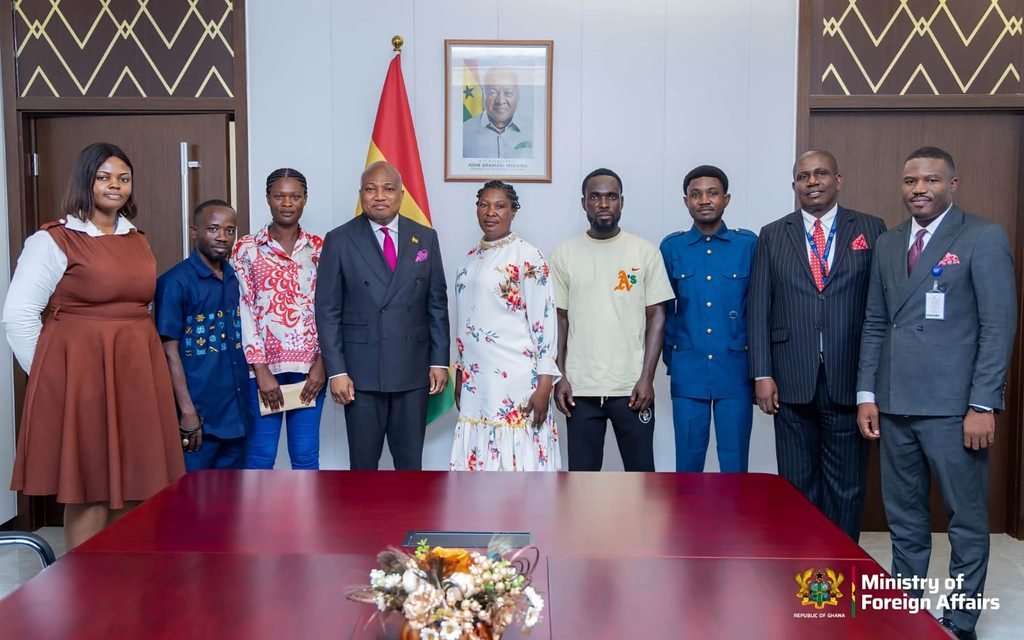

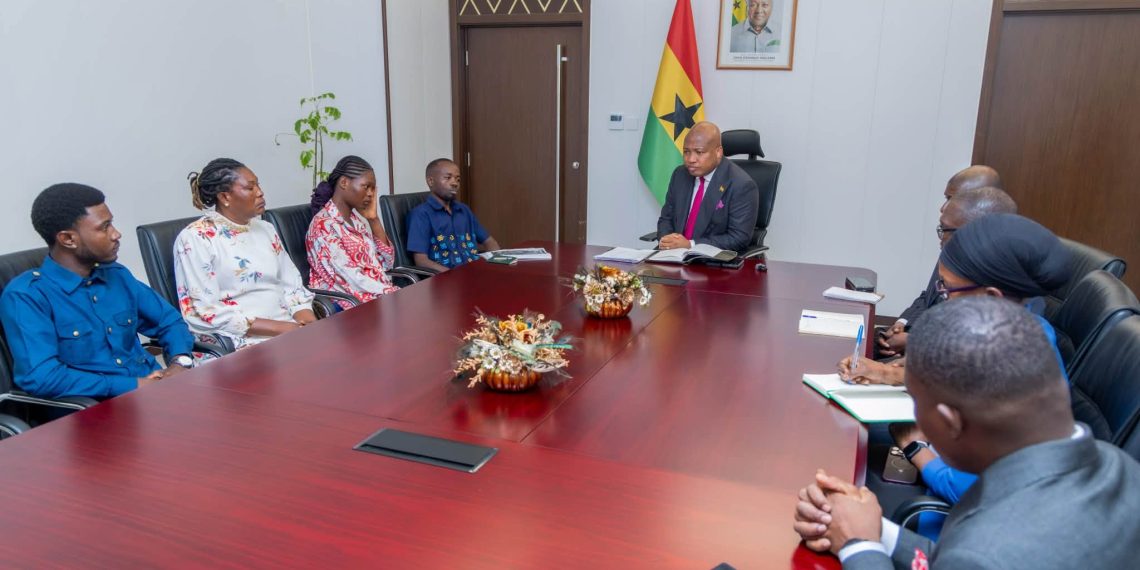
A young Ghanaian woman who was subjected to violent and dehumanising abuse by her employer in Iraq has returned home safely and received a formal audience with Ghana's Foreign Affairs Minister, Samuel Okudzeto Ablakwa. The meeting, held on Monday, 23rd November 2026, marks a significant moment in what is fast becoming a broader conversation about the safety of Ghanaian migrant workers in the Middle East.
Stephanie Nkrumah, who hails from Kumawu in the Ashanti Region, was accompanied by her family when she met the Minister. A distressing video showing her being physically attacked by her employer had circulated widely online, drawing public outcry and prompting urgent diplomatic intervention. The Minister acknowledged the role of a blogger in amplifying Stephanie's situation, crediting the online attention with helping to accelerate her rescue and safe return to Ghana.
Stephanie's Ordeal and What She Told the Minister
During the engagement, Stephanie gave a detailed account of the violent treatment she endured at the hands of her employer in Iraq. The Minister listened carefully to her testimony and urged her to share specific information about her abusers and any networks they operate within, noting that such details would be vital to Ghana's ongoing diplomatic efforts to pursue accountability.
The Government of Ghana has since formally lodged a protest with Iraqi authorities, demanding that those responsible be identified, apprehended, and face appropriate legal consequences. Minister Ablakwa stressed that physical assault and degrading treatment of Ghanaian nationals abroad would not be tolerated, reaffirming his often-stated position that an attack on any Ghanaian citizen, wherever they may be, is an attack on the entire nation.
Beyond the diplomatic response, the Ministry is providing Stephanie with free urgent medical care and clinical psychological support, in line with advice from doctors who assessed her condition following her return. In a personal gesture of solidarity, Minister Ablakwa donated GH₵50,000 to Stephanie as seed funding for a small business she hopes to start. He also pledged a scholarship to help her resume formal education, which she had discontinued several years ago.
Why It Matters for Ghana
Stephanie's case is not simply a one-off tragedy — it reflects a troubling pattern. The Government has indicated it is strongly considering placing a moratorium on the recruitment of Ghanaian domestic workers to Iraq, signalling that this abuse is believed to be part of a wider problem rather than an isolated incident.
Thousands of Ghanaians, particularly young women from economically vulnerable backgrounds, travel to Middle Eastern countries each year in search of work as domestic helpers. Many do so through informal or poorly regulated recruitment channels, leaving them exposed to exploitation, abuse, and trafficking. Stephanie's experience has reignited calls for stronger protective frameworks, better pre-departure screening, and more robust consular support for Ghanaians working abroad.
Human rights advocates and civil society organisations have long flagged the conditions faced by Ghanaian domestic workers in several Gulf and Middle Eastern states. A moratorium on Iraq-bound recruitment, if implemented, would be one of the more decisive policy steps taken in response to such concerns — though critics may argue that stronger regulation and bilateral labour agreements would offer more sustainable long-term protection.
Government's Commitment Going Forward
The Ministry of Foreign Affairs has reiterated its commitment to making the welfare and dignity of all Ghanaians abroad a central pillar of its diplomatic agenda. Officials confirmed that Ghana's diplomatic missions will continue to monitor and respond to cases involving the mistreatment of Ghanaian nationals in host countries.
For Stephanie and her family, the road to recovery is just beginning. But with government support, medical attention, and national attention firmly on her side, her story has already sparked a conversation that could lead to lasting policy change — and potentially protect countless other young Ghanaians from suffering the same fate.
- Minister Ablakwa personally donated GH₵50,000 and pledged a scholarship to Stephanie.
- Ghana has formally protested to Iraqi authorities, demanding justice for the assault.
- Government is considering banning recruitment of domestic workers to Iraq entirely.
Source: The Ghanaian Times

Comments (0)
Be the first to comment.