
Ghana Armed Forces Launches Second Recruit Intake; 2027 Enlistments Paused to Address Backlog
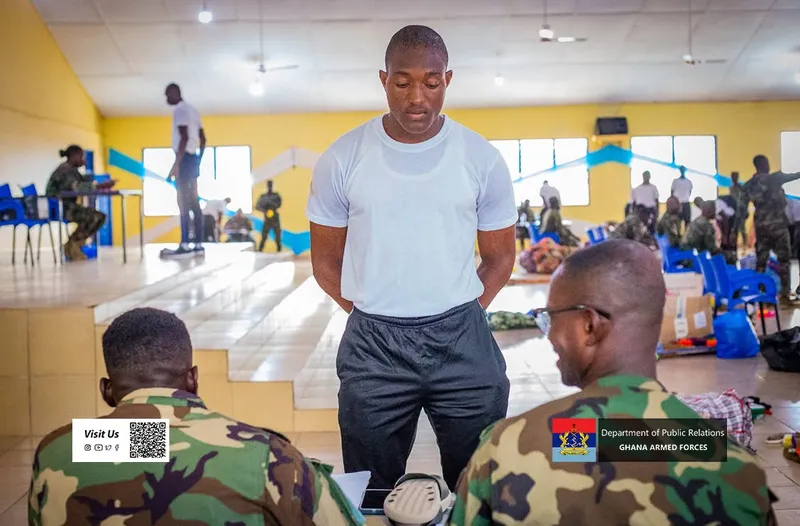

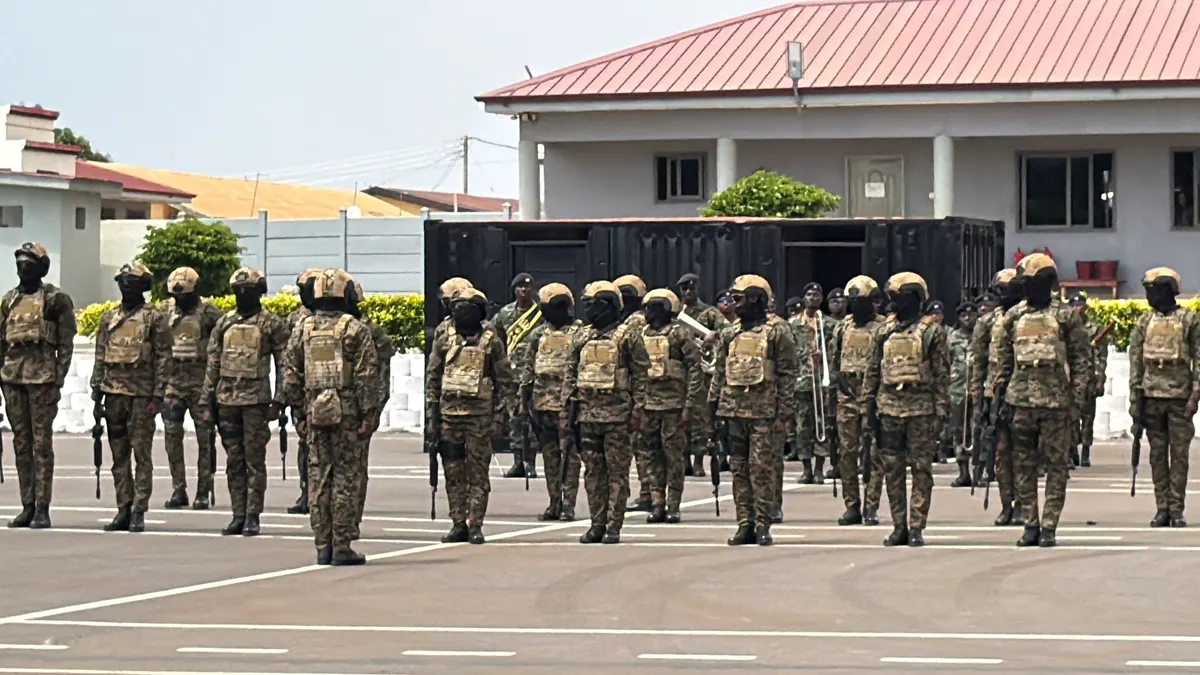
The Ghana Armed Forces has commenced training for a second batch of recruits in a six-month programme, marking progress in the military's ongoing personnel expansion efforts. The development comes as the Interior Ministry announced a temporary halt to security force enlistments scheduled for 2027, prioritising the clearance of existing recruitment backlogs within current and planned intakes.
Training Programme and Timeline
The second cohort of recruits has entered the GAF's structured six-month training cycle, which covers foundational military discipline, combat readiness, and operational competencies. This intake follows the successful completion or progression of the first batch through their training phases. The phased approach to recruitment allows the Armed Forces to systematically build capacity whilst managing training infrastructure and resources effectively.
By staggering recruit intakes, the GAF maintains quality control in its training delivery and ensures adequate supervision and mentorship for each cohort. The six-month duration is designed to bring recruits to operational readiness standards whilst balancing the demands of ongoing military operations and institutional commitments.
Why the 2027 Pause Matters for Ghana
The Interior Ministry's decision to suspend 2027 security enlistments represents a strategic recalibration of Ghana's security workforce planning. By pausing future recruitment cycles, authorities aim to process and integrate existing recruits more thoroughly, reducing administrative bottlenecks and ensuring that personnel already in the system receive adequate training, deployment, and career development opportunities.
For Ghana, this approach addresses a persistent challenge in security sector management: the tension between rapid expansion and sustainable capacity-building. A backlog of unprocessed recruits can strain resources, delay deployments, and create frustration amongst prospective enlistees. By temporarily halting new intake in 2027, the government signals commitment to improving the quality and efficiency of security force preparation rather than pursuing unsustainable numerical growth.
The pause also has fiscal implications. Training, accommodation, and provisioning of security personnel represent significant budget items. Clearing backlogs before accepting new recruits allows the government to optimise spending and ensure that funds allocated to personnel development yield maximum return in terms of operational readiness and institutional stability across the Ghana Police Service, Ghana Fire Service, and Ghana Armed Forces.
Broader Context for Ghana's Security Build-up
Ghana's recent intensification of security recruitment reflects concerns about resource capacity in a region facing rising security challenges. Neighbouring countries and regional instability have prompted Accra to strengthen its armed and security forces. However, rapid recruitment without corresponding investment in training infrastructure and career development can undermine effectiveness and morale.
The staggered intake system, coupled with the 2027 pause, suggests the government is attempting to balance urgency with prudence. It reflects acknowledgement that sustainable security improvements require not just larger forces, but better-trained and more effectively integrated personnel. As Ghana continues to navigate complex security dynamics in West Africa, the quality and readiness of its forces remain as critical as their numbers.
Source: 3News


Comments (0)
Be the first to comment.