GAF Distributes Relief to 297 Flood-Affected Personnel Following June Downpours
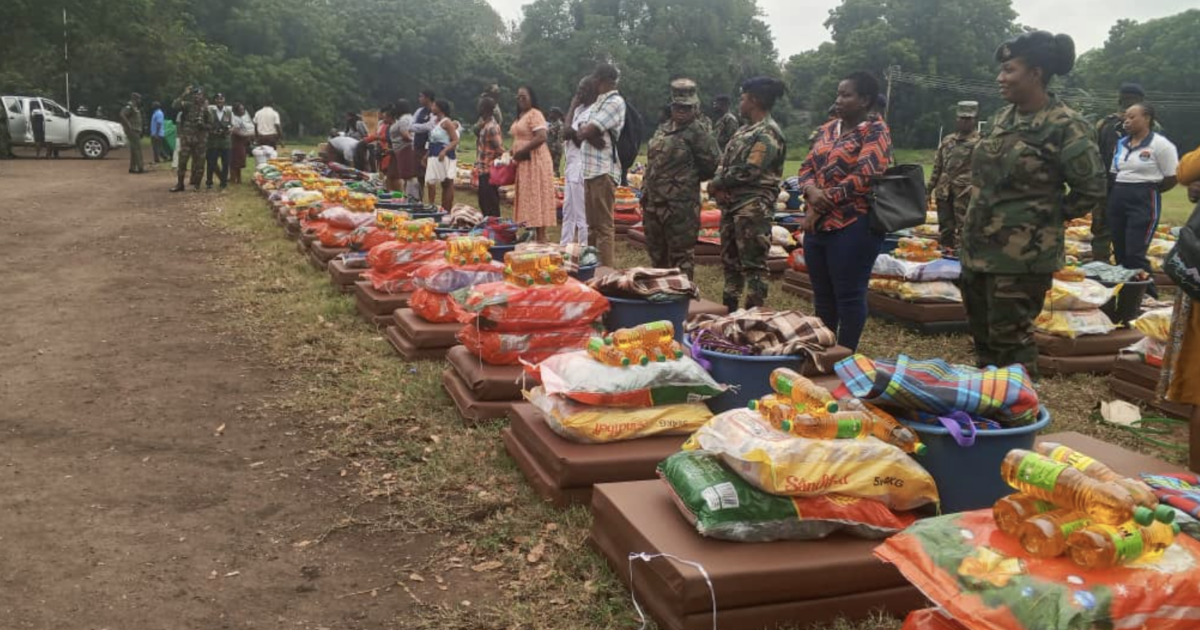
The Ghana Armed Forces has moved to support nearly 300 of its personnel and civilian employees whose homes and livelihoods were devastated by the severe flooding that swept through Accra and surrounding areas on 29 June. In a coordinated effort with the National Disaster Management Organisation (NADMO), the GAF presented relief packages and financial support to 297 beneficiaries at a ceremony held at the Nicholson Stadium, Burma Camp, on Friday.
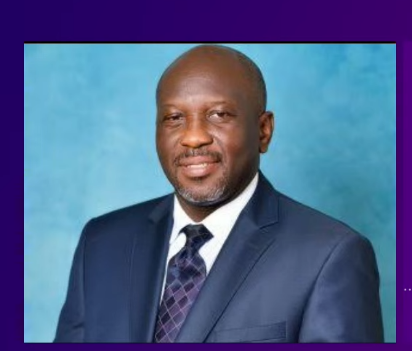
Lieutenant General William Agyapong, Chief of the Defence Staff, led the distribution, emphasising that the intervention reflects the military's commitment to the welfare of its workforce during times of crisis. The relief items included essential household goods such as blankets, mattresses, mosquito nets, buckets, wash basins, bags of rice, cooking oil and additional uniforms. Beneficiaries will also receive undisclosed financial assistance to help them rebuild.
Lt. Gen. Agyapong conveyed messages of sympathy from President John Dramani Mahama, Defence Minister Dr Cassiel Ato Forson, and the military's high command to those affected. He acknowledged the trauma and loss experienced during the disaster, noting that whilst many had lost valuable property, they should be grateful for their lives given that the floods claimed fatalities elsewhere in the country.
Military Infrastructure Proves Resilient
A key highlight of the Chief of the Defence Staff's address was that no military barracks sustained flooding damage during the June event. Lt. Gen. Agyapong attributed this to disciplined environmental sanitation practices within military installations, including regular drain clearing, waterway protection and strict adherence to estate development regulations. He challenged military personnel living in civilian communities to apply similar practices in their neighbourhoods to mitigate future flood risks.
The June 29 flooding exposed the vulnerability of many residential areas in and around Accra, destroying homes, displacing families and disrupting livelihoods. The disaster prompted the Military High Command to prioritise the redevelopment of key barracks such as Burma Camp and El-Wak to accommodate more military personnel and civilian staff within secured, better-maintained estates.
Why It Matters for Ghana
Ghana's rainy seasons have become increasingly unpredictable and severe in recent years, with flooding now a recurring hazard in urban areas like Accra. The June 2024 floods underscored the urgent need for improved drainage infrastructure, urban planning and environmental management across the country. The GAF's experience—having protected its installations through disciplined sanitation and maintenance—offers a practical model that civil authorities and communities can study.
Beyond relief, the military's response highlights gaps in Ghana's broader disaster preparedness and community resilience systems. Whilst NADMO coordinates national emergency response, the scale of damage and displacement suggests that infrastructure investment and prevention strategies must be accelerated. The establishment of counselling services at military hospitals also signals recognition of the psychological toll disasters inflict, an area that requires strengthening across Ghana's healthcare and social support networks.
Lt. Gen. Agyapong acknowledged that no relief package can fully restore what families have lost, but expressed confidence that immediate support will ease hardship as beneficiaries rebuild. He also commended the Ministry of the Interior, NADMO, Service Chiefs and individual officers who contributed uniforms, kits and personal funds to supplement the official relief effort, demonstrating institutional solidarity during a national crisis.
Source: MyJoyOnline
Comments (0)
Be the first to comment.