Ga Language Faces Critical Decline as Young Ghanaians Lose Connection to Heritage Tongue
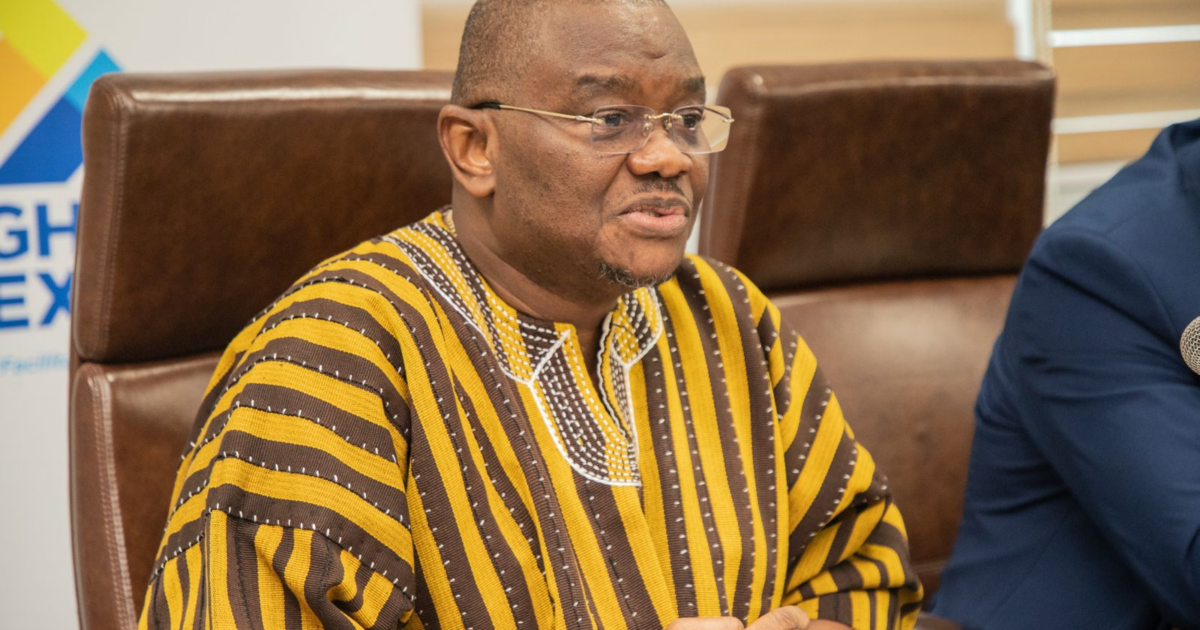
The Ga language, spoken by millions in the Greater Accra Region and beyond, is facing an existential threat as younger generations increasingly abandon the tongue in favour of English and other languages, according to Sylvester Adinam Mensah, Chief Executive Officer of Ghana EXIM Bank.
Speaking at the 10th anniversary celebration of Latenu Radio in La on Saturday, Mensah painted a sobering picture of linguistic erosion within Accra's Ga communities. While many children retain passive understanding of the language through family exposure, active use has become uncommon. "Many of our children understood it, but hesitated to speak it. Some cannot speak it at all," he said, highlighting a generational disconnect that threatens the survival of a language deeply embedded in Ghana's cultural heritage.
The former La Dadekotopon Member of Parliament framed language loss not merely as a communication issue but as a cultural catastrophe with profound implications. "Language is not just a way of speaking. It is a way of seeing," Mensah explained to the gathering. He warned that communities losing their languages gradually lose their historical memory and identity, creating vulnerability to cultural displacement. "A people without memory can easily lose their way," he cautioned.
Urbanisation and Cosmopolitan Pressures
The acceleration of Ga language decline reflects broader shifts in Accra's demographic and social landscape. The city's rapid urbanisation and increasing cosmopolitanism have created an environment where English dominates formal and informal communication spaces. Urban schools prioritise English-medium instruction, while younger Ghanaians—especially those in mixed-ethnic households or attending international institutions—grow up with limited exposure to mother-tongue speakers or cultural reinforcement mechanisms.
Parents themselves often discourage children from speaking Ga, mistakenly believing that English proficiency offers superior economic and educational advantages. This pattern of intergenerational language abandonment has accelerated over the past two decades, creating a vicious cycle in which fewer young people learn the language, reducing community spaces where it is naturally spoken.
Media's Role in Language Preservation
Recognising the crisis, Mensah commended Latenu Radio for its decade-long commitment to broadcasting in Ga across news bulletins, music programming and discussion shows. Community radio stations remain among the few platforms actively preserving and promoting indigenous languages in contemporary Ghana, reaching audiences who might otherwise have minimal exposure to their heritage tongue.
Mensah called on the station to intensify its mission by developing targeted programmes designed to help Ghanaians who have lost fluency in Ga to relearn or reconnect with the language. Such initiatives could serve as bridges for diaspora communities, second-generation speakers, and urban youth seeking to reclaim cultural roots.
Why This Matters for Ghana
The decline of Ga and other Ghanaian languages represents a broader challenge to the nation's cultural and linguistic diversity. Ghana is home to numerous languages—Twi, Fante, Ewe, Dagbani, and others—each representing distinct worldviews, historical knowledge systems, and community identities. When languages disappear, irreplaceable cultural knowledge vanishes with them, from traditional ecological practices to oral histories and artistic traditions.
UNESCO estimates that a language dies approximately every two weeks globally, and Ghana's urban languages are increasingly vulnerable. Unlike rural languages with concentrated speakers, urban languages like Ga compete directly with English in spaces where economic mobility and educational opportunity are concentrated. Without deliberate preservation efforts—through media, education, family practices and community advocacy—Ga risks becoming a ceremonial language spoken only by elders.
The challenge requires multi-stakeholder action: media outlets must continue broadcasting in indigenous languages; educational institutions should integrate mother-tongue instruction; and families must consciously transmit language within homes. Latenu Radio's anniversary and Mensah's intervention represent steps toward renewed awareness, but sustained commitment from government, community leaders and families will determine whether future generations of Ghanaians speak the language of their ancestors or encounter it only as a historical artefact.
Source: MyJoyOnline
Comments (0)
Be the first to comment.