From hometown promise to Lake Volta nightmare: how Ghana's child trafficking networks trap vulnerable youth
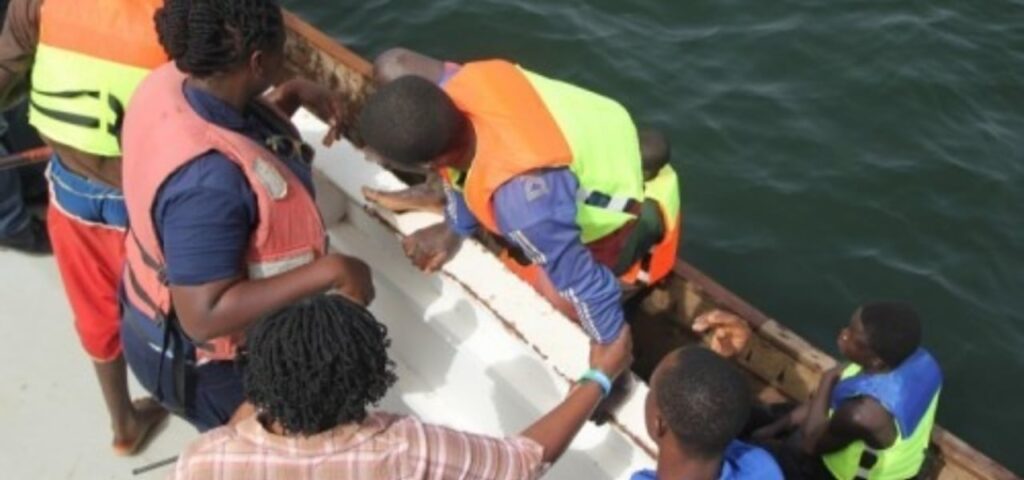
When Godwin Dogbey left Hohoe at age 12, he believed he was finally visiting his ancestral hometown—a place he had never seen. Three years later, he emerged from Lake Volta traumatised, having survived forced labour, beatings, near-drowning and witness to child deaths. His story is not unique. It is a stark window into how Ghana's fishing communities have become hunting grounds for human traffickers who exploit trust, poverty and the desperation of families seeking better opportunities for their children.
Godwin's journey began with deception. A woman he trusted took him to the lake, then vanished. The man introduced as his uncle was actually the boat master. For the next 36 months, from 2015 to 2018, Godwin and dozens of other children—some younger than him—were forced into backbreaking fishing work. Unable to swim, he was repeatedly thrown into the water. He was forced to dive underwater to untangle nets, risking electrocution from electric fish and injury from submerged tree stumps. When children died during this work, their deaths were treated as routine by the traffickers.
"Some do die. And it's like it's normal to them there, the boat masters themselves," Godwin recalls with haunting matter-of-factness.
How the trap closes: the tactics of Ghana's traffickers
Superintendent William Ayaregah, Director of the Anti-Human Trafficking Unit at the Ghana Police Service, explains that traffickers deliberately weaponise trust and family bonds. Parents are promised their children will receive education or urban employment. The children themselves have little reason to suspect the adults guiding them. Traffickers often target children with swimming ability, using false promises of city opportunities before delivering them to fishing communities where resistance is impossible and escape routes are cut off.
Godwin's betrayal was particularly cruel because the deception came through someone he believed was family. This emotional manipulation is deliberate strategy, not accident. It breaks children's capacity to trust and makes them less likely to seek help or to be believed if they do.
After three years, Godwin managed to send a message through the boat master's son, warning authorities to bring security. Police and staff from the International Justice Mission mounted a rescue operation that freed 24 children from the island. But for every Godwin whose message gets through, how many remain trapped in silence?
Why it matters for Ghana: a crisis of rescue, justice and prevention
Ghana's response to child trafficking, particularly in fishing communities, remains severely inadequate. Senior State Attorney Andrew Dodzi Adugu, who prosecutes trafficking cases across the Volta and Oti Regions, rates the overall response at six out of ten—a damning assessment that acknowledges both progress and massive gaps.
The challenges are systemic. Rescuing children requires identifying where they are being exploited, often through costly surveillance operations. Even after successful rescues, the justice system struggles. The Oti Region has only one functioning circuit court at Jasikan and a newly operational High Court. These bottlenecks create repeated adjournments and case delays that discourage prosecution and embolden traffickers.
Beyond the courts, Ghana's infrastructure for victim support is dangerously thin. Shelters are scarce. Transportation, food, healthcare and victim referral services are inadequate across the Volta and Oti Regions. Children rescued from trafficking are often retraumatised by a system that cannot reliably care for them after rescue.
Prosecution itself is complicated by community dynamics. Some child survivors are afraid to testify against traffickers who have influence locally. Others feel loyalty or fear reprisal. Investigators must navigate these psychological and social barriers while building cases strong enough to survive court scrutiny.
As Ghana marks World Day Against Trafficking in Persons, Godwin's survival is a rare victory. But his story also illustrates a brutal truth: without serious investment in victim shelters, court infrastructure, prosecution capacity and community education, many other Godwins will not escape. Many will remain on Lake Volta, silently enduring, their deaths treated as normal by those who should be protecting them.
The statistics are abstract. The children are not.
Source: MyJoyOnline

-1200x647.webp)
Comments (0)
Be the first to comment.